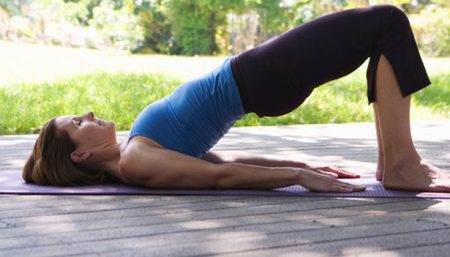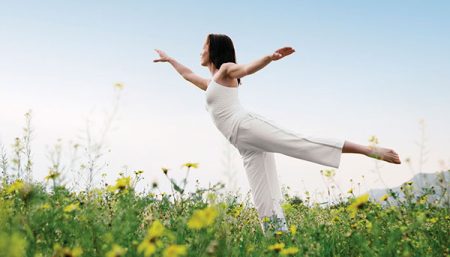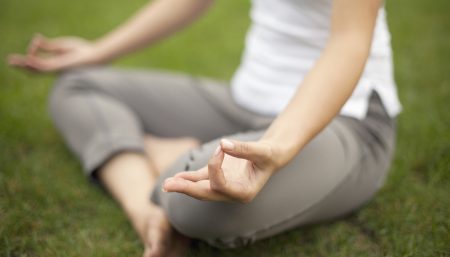
It is true that positive stressors can be good for us and good for our nervous system. It is only when the stress is too extreme, too prolonged, inappropriate to the challenge or accompanied by strong negative emotions like fear that the stress load gets unmanageable.
In Sanskrit the word kundalini means life force. Literally translated the word kundalini actually means “that which is coiled.” Many yoga practitioners refer to the kundalini as a serpent. The serpent in the body is also known as the person’s life force.
Kundalini is a type of yoga that focuses on communication between mind and body. People who practice kundalini believe that such communication is important for physical and mental health. They also believe that this yoga will promote psychospiritual growth. That is why people who practice kundalini are masters of concentration. Concentration is essential for communication. It is the first step for connecting the physical and spiritual self.
On the other hand, stress in the body comes from emotional stress or physical stress that we put on the body through our activity, our environment (toxins) or the food we eat. The stress response shifts all the resources away from repair and maintenance. We stop repairing muscle, managing our blood sugar levels and relaxing our heart and vessels. This may explain why rest alone is not the cure for all stress. We need a deeper “relaxation response” that re-engages the innate maintenance mechanism of the body’s innate intelligence. When we are chronically stressed we don’t go back to zero. The body stays on high alert and we start to literally break down- drowning in our own cortisol soup. If we can regularly get to that inner zero point, we give ourselves the chance to heal. That is why lifestyle, meditation and exercise are very effective treatments for this.
With the food we are eating, if it is highly processed, full of sugar and artificial ingredients, etc. our body has to do a lot of work to process it. Take sugar for example, our body has to pull on our own reserves to process it because it has been stripped of all of its fiber, minerals and nutrients. So we pull from our own mineral reserves and this is taxing. Especially day after day when this is the bulk of what we eat. By cutting out the sugar, including processed, refined grains (white pastas, baked goods, crackers etc.), you will experience an increase in energy that will allow you to more easily cope with other stressors, like emotional stress from work, relationships, being stuck in traffic.
How to practice Kundalini Yoga
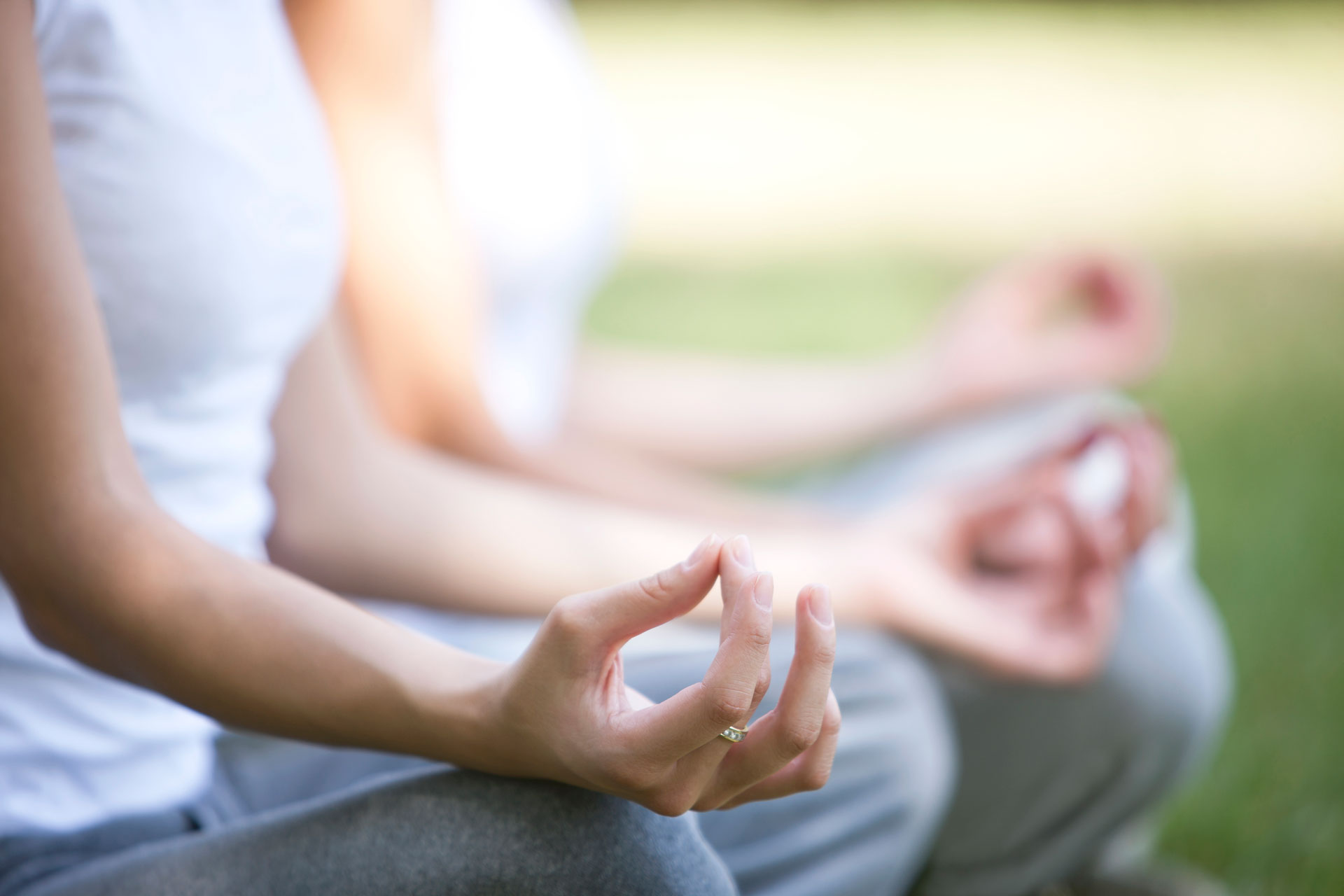
Kundalini is somewhat complicated discipline. A basic class often consists of a series of bodily postures, movements and utterances. Like any form of yoga, proper breathing and concentration is important for success in each pose, posture and movement. Kundalini can be awakened by Pranayama, Asanas and Mudras by Hatha Yogis; by concentration and training of the mind by Raja Yogis; by devotion and perfect self-surrender by Bhaktas; by analytical will by the Jnanis; by Mantras by the Tantrikas; and by the grace of the Guru (Guru Kripa) through touch, sight or mere Sankalpa. Rousing of Kundalini and its union with Siva at the Sahasrara Chakra effect the state of Samadhi and Mukti. No Samadhi is possible without awakening the Kundalini.
Besides the necessity of proper breathing and concentration, kundalini is a form of yoga that requires great attention to detail. The complicated movements and postures, or even the simple ones, should be done with care and extreme consideration of self, surroundings and great attention to detail and the body’s movements. Kundalini yoga should not be practiced as a series of stretching or gymnastics types exercises, they are much more than that. Also, if the movements are not completed correctly the result can be injury, whether it is minor or severe.
Practice yoga daily or 3 to 4 times in a week to remain fit. The ability to build character and strength as we create balance is a unique part of many kriyas in Kundalini Yoga. The physical exertion and effort are not the main point. It is that the discipline and focus we gain from cultivating a stress free zone in our selves – the state of shuniya – can guide us thru the challenges and stresses of life. Strenuous exertion can then give us deep relaxation.
Other Stress Reducers

- Becoming present with your emotions: Do not choose to just eat through them. One way to start doing this is journaling. Keep a journal and write in it in the morning or at night. Find a quiet place for a few minutes and just write down whatever comes to mind. If this activity is difficult for you, just start out by writing one thing that went well in the day and one thing that didn’t go well and how it could have been better.
- Eating for Energy: Emotions that are stressful or full of anxiety, fear, worry cause stress in the body. Stress depletes our energetic stores, so we go looking for more energy usually in the form of sugar and quick energy. But what we want to do is begin eating for energy.
- Water: is going to keep us hydrated. This is very important because the signal sent to the brain that tell us we are hungry is almost identical to the signal for dehydration. We sometimes mix these signals up because we are too busy (stressed) to pay attention. Staying hydrated will help reduce our cravings.
- Whole Grains: help balance our blood sugar, unlike refined sugary carbohydrates, which affect our mood. They are also high in magnesium which helps relax our muscles, (or reduce stress.)
Disclaimer
The Content is not intended to be a substitute for professional medical advice, diagnosis, or treatment. Always seek the advice of your physician or other qualified health provider with any questions you may have regarding a medical condition.