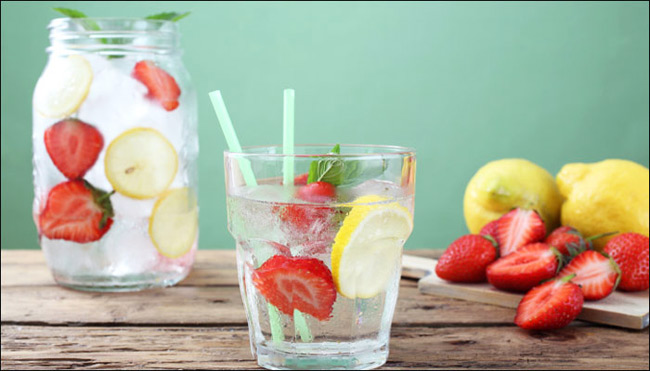
Various complex biochemical reactions taking place within the body lead to production of waste products that must be eliminated from the body. Adding up to this, the environment also contains harmful substances that we inhale or swallow and must get rid off. Sometimes the medication we take to do us good need to be cleared from our system before they accumulate and do us harm. The general term given to this process is called “Detoxification”. It is necessary in some cases to build up a person’s energy and nutrients before starting an intensive detoxification treatment for it might send them “over the edge”.
Detoxification is carried out by enzymes produced from the information stored within our genes. Many separate genes are involved but there are two distinct steps in the overall process and knowledge of them lets us understand the principles at work. They are termed Phase I and Phase II.
- In phase I: the enzymes involved are called ‘activators’. They alter the chemical your body needs to remove, by adding single nitrogen or oxygen molecules. This very small change makes it easier for the next phase to proceed.
- In Phase II: enzymes called ‘excretors’ take over. They bind the altered chemical to a small substance called glutathione. This makes it possible for your body to remove the substance, as it becomes water soluble.
Diet plays an important part in Phase II of the detoxification process. Follow these practical guidelines to prevent toxic build up within the body and elimination of toxins if present.
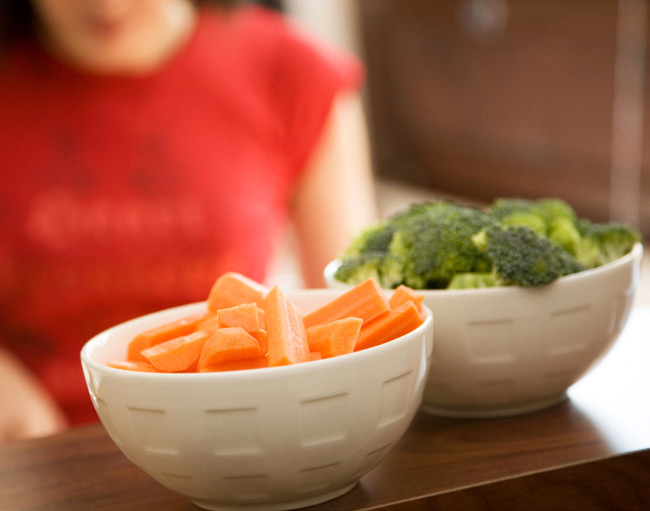
Cruciferous Vegetables
Include at least one serving of cruciferous vegetables (such as broccoli, cauliflower, radish, kale, turnip, rutabagas, brussels sprouts, watercress, and cabbage) each day in diet.
Eat garlic or onions on a daily basis
Eat garlic or onions on a daily basis, either as seasoning in your main meal or raw in your sandwich filling. These foods referred to as ‘allium’ vegetables are capable of increasing the activity enzymes involved in phase II of detoxification process (a process also known as enzyme induction). They help in flushing OUT potential toxins from the body more rapidly. Aim at eating two to five cloves of garlic a week. Ideally garlic should be eaten every day together with at least one member of the onion family. More example of allium vegetable are chives, leeks, spring onion, shallots.
Choice for Snack
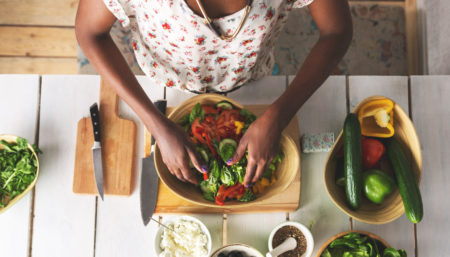
Take raw vegetables to work as part of a snack or lunch.
Choice of Nibbles
In the evenings, make raw vegetables part of your choice of nibbles using humous made from chickpeas as a dip.
Fish
Include oily fish such as tuna, salmon or mackerel in your diet at least twice a week.

Meat and Poultry
Use lean cuts of meat and poultry, choose smaller portions, reduce the frequency of meat-based meals, and pay particular attention to how you cook. Red meats cooked at high temperature form toxic substances such as heterocyclic aromatic amines (HAAs) and polycyclic aromatic hydrocarbons (PAHs). These can have a negative effect on health. Smoked meat and fish are another source of toxins, including nitrosamines. All of these chemicals may be further changed into even more toxic by-products by overactive detoxification enzymes.
Plant Proteins
Include a higher proportion of plant proteins over animal ones. Sources of proteins from milk, eggs, tofu and organ meats, such as liver, have very little or no heterocyclic aromatic amines (HCA-toxin) content even when cooked. Look at using pulses as an alternative source of protein. They include chickpeas, a wide range of lentils, split peas and a vast range of beans from the black-eyed to the broad, butter and kidney. Try using soya products such as beans, milk, cheese and tofu. Adding them to a pasta sauce or soup will add up to the flavour of the dish.
Seeds and nuts
Use seeds (sunflower, pumpkin or sesame) and nuts (brazils, cashews, peanuts, walnuts, hazelnuts or almonds) as a snack, either by themselves or with yoghurt or fruit.
Egg
A boiled egg offers excellent protein quality, is portable, cheap and can be used as a snack, filling or topping and has little or no heterocyclic aromatic amine (HCA) content.
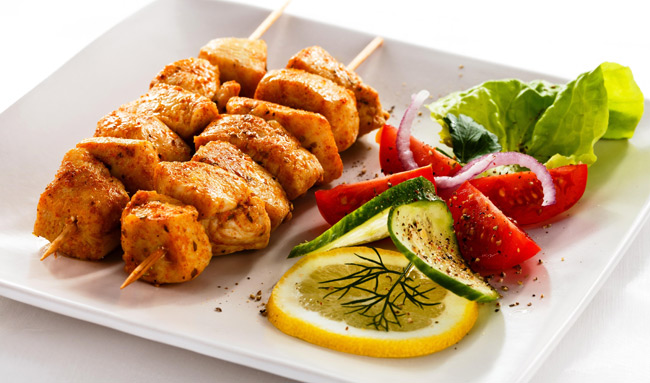
Meat and Vitamin C
Avoid smoked fish and meats whenever possible but if the occasion does arise, accompany the food with one high in vitamin C (lemon juice or tomatoes) which helps neutralise the effect of the nitrosamines.
When cooking animal proteins remember the following practical tips:
- Temperature is the most important factor in the production of HCAs.
- Frying, chargrilling, broiling and barbequing produce the largest amounts of HCAs when the cooking temperature is increased from 200°C to 250°C (392°F to 482°F).
- Oven roasting and baking use lower temperatures, therefore producing lower levels of HCAs.
- Gravy made from dripping contains substantial amounts of HCAs and should be avoided whenever possible.
- Stewing, boiling and poaching all use temperatures below 100°C (212°F) producing very few HCAs.
- Meats that are partially cooked in a microwave first and then finished off by other methods have lower levels of HCAs. Research has shown that meat microwaved for two minutes before further cooking reduces the HCA content by about 90 per cent.
- Foods cooked for a long time (ie well done or very well done) by all methods will form more of the chemicals.
- Sources of proteins from milk, eggs, tofu and organ meats, such as liver, have very little or no HCA content even when cooked.
In short a diet with a higher proportion of plant proteins over animal ones is recommended. Cruciferous vegetables need to be made an essential part of daily diet for they contain phytochemicals called glucosinolates which promote the ‘excretor’ part of the detoxification enzyme system, thus enhancing the removal of toxic substances from the body. They and the Allium group vegetables increase the activity of Phase II excretor enzymes.
NOTE: This is a process. It doesn’t happen overnight. It is a gradual change in lifestyle. As cleansing is happening on the physical and psychological levels at the same time, it is advisable that the detoxification program be done under the supervision of a trained health-care practitioner.
Related links
Disclaimer
The Content is not intended to be a substitute for professional medical advice, diagnosis, or treatment. Always seek the advice of your physician or other qualified health provider with any questions you may have regarding a medical condition.