Carbohydrates are the primary fuel source for many vital organs, including the brain, central nervous system and kidneys. The digestive system breaks down carbohydrates into glucose and the pancreas secretes a hormone called insulin to help the glucose migrate from the blood into the cells.
The fact that carbohydrate cause weight gain is misleading. Weight gain is caused by consuming too many kilojoules (or calories) whether they are from carbohydrate,protein or fat. A diet high in fruits and vegetables, wholegrains, legumes and low-fat dairy products, and moderate in fat and calories, will result in the greatest chance of weight loss and maintenance. Such a diet also assists in fullness and can reduce the risk of chronic diseases.
Vegetarians and people who consume predominantly plant-based diets are generally slimmer and have much lower rates of obesity, heart disease and
|
At this point it is important to clarify that, low carbohydrate diets cause weight loss because they restrict kilojoules or energy. This basically starves the body of the nutrients it needs and causes major metabolic disturbances to the body. There is nothing special about the proportions of protein to carbohydrate – there are just fewer kilojoules consumed in these diets, which causes the weight loss.
Besides, if the body doesn’t receive sufficient carbohydrate, it breaks down muscle and other tissue to produce glucose. This causes a build-up of waste products called ‘ketones’. This state, known as ‘ketosis’, is commonly seen in people who are starving, suffering from anorexia nervosa or with untreated insulin-dependent diabetes. Ketones make the blood acidic. Ketosis can be fatal in severe conditions, particularly for pregnant women, their unborn babies, and for people with diabetes. There is also evidence that the heart may not be able to function to its full ability when ketone bodies are its main source of fuel.
Choosing Carbohydrates :
Sugars are the simplest form of carbohydrate – which can be natural such as lactose (milk sugar) or fructose (fruit sugar) or can be refined such as sucrose (table sugar). All Starchy and sweet foods (even fruits) raise blood sugar quickly. When eaten they are rapidly absorbed into the bloodstream, causing a rise in the hormone insulin which acts to clear sugar and fat from the blood and to be stored in the tissues for future use.
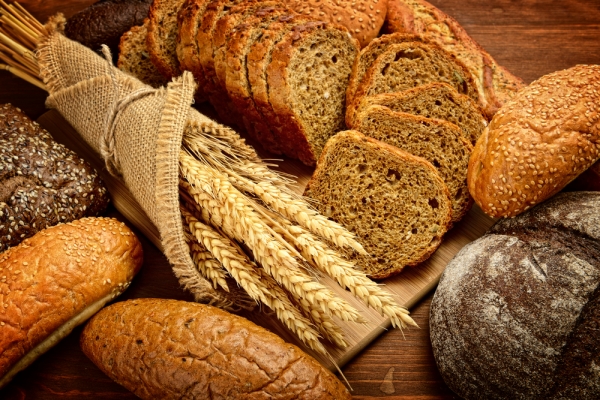
Choose unrefined low glycaemic index (GI) sources of carbohydrates including wholegrains and fruit, rather than the more refined and energy-dense forms such as cakes, sweets and soft drinks. Have a variety of vegetables daily and try not to rely on potatoes as your main vegetable every day.
Add protein to each meal in order to stabilize blood sugars.
Protein needs for the endurance athlete: 1.2 grams/kg of wt/day. Ex: 150lbs = 68kg (by 2.2) therefore, you need 80-85 grams of protein daily. Remember, 1 ounce of any type of meat has 7 grams of protein. |
The glycaemic index (GI) is commonly used to rate carbohydrate-containing foods. The GI measures the rise in blood glucose levels. Foods are given a GI score out of 100 with glucose as the standard with a GI of 100. Foods that take longer to be absorbed are called ‘low GI’ (GI less than 55). Carbohydrates that offer a quick hit are called ‘high GI’ (GI greater than 70).
- Low GI (less than 55) – soy products, beans, fruit, milk, grainy bread
- Medium GI (55 to 70) – sugar, orange juice, oats
- High GI (greater than 70) – potatoes, wholemeal and white bread, rice.
|
Table of Glycaemic Index of Foods |
||
|
LOW |
MEDIUM |
HIGH |
| Cereals | ||
| AllBran, Fruit ‘n oats, Toasted muesli*, Frosties, rolled oats, porridge, Guardian, oat bran, Komplete oven baked muesli, oat/rice bran, Special K, | Special K, untoasted muesli, Bran Buds, Just Right, Mini Wheats, Vitabrits, Nutrigrain, Sustain, Weetbix, Honey Smacks, untoasted muesli, shredded wheat, | Cornflakes, Sultana Bran, Branflakes, Cocopops, Puffed Wheat, Rice Bubbles, Rice Chex, Wheat bites, Breakfast bars, Oat in honey bake, Team, Total, wheat bites, corn bran |
| Breads | ||
| Burgen Oat bran bread (31) or multigrain bread or soy-linseed bread (19) or fruit bread, kibbled barley, Holsom’s wholemeal, 9 grain mutigrain, fruit loaf, pumpernickel, sourdough rye, stoneground wholemeal, Ploughman’s loaf, Vogel Honey & Oat. | Pita bread, croissant*, crumpet, white bread, hamburger bun, light rye bread, sourdough, rye, wholemeal bread, pizza. | White, Bagels, waffles Wonderwhite, Dark Rye bread, French baguette, melba toast, Gluten-free bread. |
|
Crackers/Crispbreads/Biscuits/Cakes |
||
|
Jatz*, oatmeal, rich tea biscuits, banana cake, pound cake, apple muffin, |
Ryvita, Saos, Jatz, Breton wheat, stoned wheat thins, digestives,oatmeal, milk arrowroot, shredded wheatmeals, shortbread, flans, angel food cake* muesli bars with fruit, bran muffins, Blueberry muffin, |
Kavli, water crackers, rice cakes, pretzels, crackerbread, puffed crispbread, morning coffee, vanilla wafer, donuts (cinnamon). |
| Grains/Pasta | ||
| Wheat pasta, noodles, egg fettucine, vermicelli, meat ravioli, macaroni, tortellini, spaghetti, long grain white rice, pearl barley, buckwheat, bulgur, semolina, cracked wheat, popcorn. | Buckwheat, brown rice, Doongara, Basmati rice, taco shells, gnocchi, couscous, maize cornmeal, macaroni cheese (packet). | Sunbrown quick rice, Calrose shortgrain rice, Instant cooked, tapioca, Corn chips, millet, rice pasta. |
| Legumes/nuts | ||
| Soya beans, kidney beans, lentils, butter beans, chick peas, haricot beans, lentils, baked beans, bengal gram, blackeyed beans all nuts |
Green gram dahl, green pea soup, split pea soup. | Broad beans, lima beans, pinto beans. |
| Vegetables | ||
| Green peas, sweet corn, sweet potato, carrots. potato crisps* |
New canned potatoes, new potatoes, beetroot. | French fries*, baked potatoes, pumpkin, parsnip, potatoes (Pontiac, Sebago, Desiree, instant). |
| Fruit | ||
| Cherries, plums, grapefruit, peaches, apples, pears, dried apricots, grapes, kiwi fruit, oranges, jam. | Mango, paw paw, sultanas, bananas (just ripe), raisins, rockmelon, pineapple, fresh apricots, canned fruit in syrup. |
watermelon, very ripe “medium fruits”. dates |
| Dairy Foods | ||
| Whole milk, skim milk, chocolate milk, low fat flavoured yoghurt, artificially sweetened yoghurt, low fat ice-cream*, custard, soy milk | Icecream (full fat). | Tofu frozen dessert Vitari frozen fruit |
| Sugars | ||
| Fructose (fruit sugar). Nutella |
Lactose (milk sugar), Sucrose, honey. | Glucose, Glucodin, jellybeans, lifesavers, maltose. |
| Beverages | ||
| Apple juice, grapefruit juice, orange juice, Sustagen. | Cordial, Fanta. | Lucozade, Gatorade, Sports Plus. |
* = These foods have a high fat content and should be eaten only occasionally
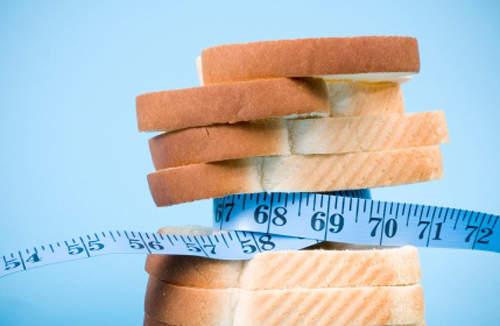
Some experts recommend that everyone, and especially people with diabetes, should eat low GI foods most of the time. However, some recent studies suggest that the overall amount of carbohydrate consumed is more important than the type. For example, even though pasta has a low GI, it is not advisable for people with diabetes or impaired glucose tolerance to have a large serve. This is because the total amount of carbohydrate, and therefore the kilojoules, will be too high.
Disclaimer
The Content is not intended to be a substitute for professional medical advice, diagnosis, or treatment. Always seek the advice of your physician or other qualified health provider with any questions you may have regarding a medical condition.