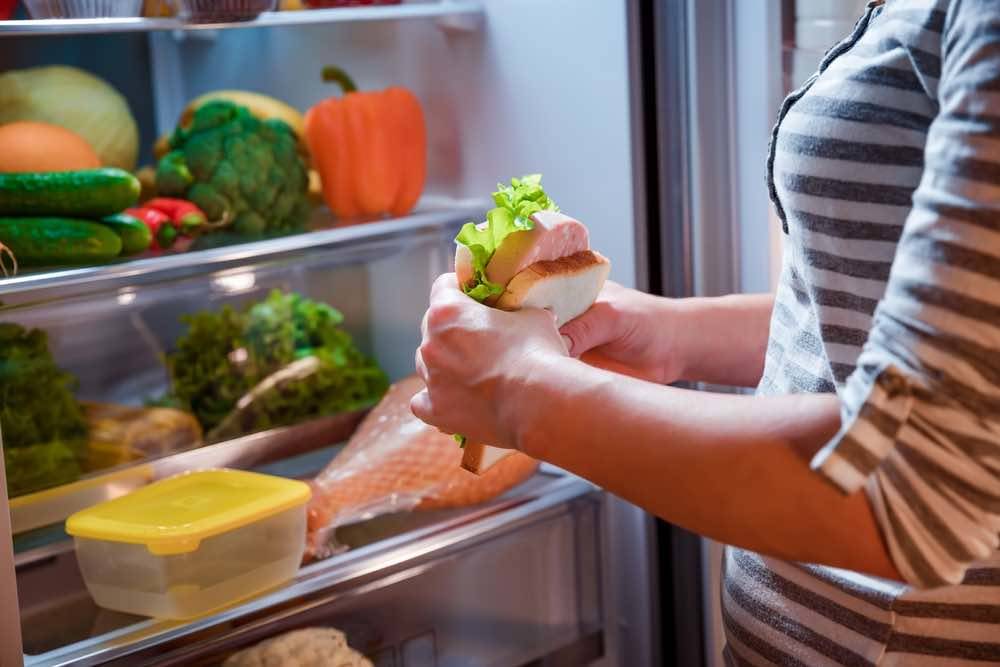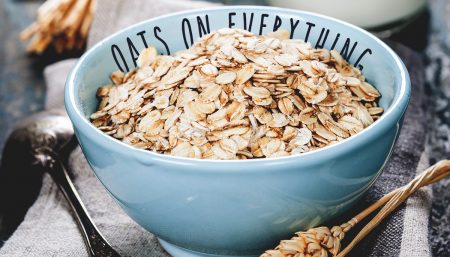
Food cravings mean that the body has its signals mixed up. When we are exhausted or blue, we have low blood sugar and/or low serotonin, and the body signals the brain that it needs a pick-me-up. This signal causes a sugar craving or carbohydrate craving.
Why do we crave for food?
There are three basic factors responsible for food craving:
- Hormonal Imbalance
- Dieting
- Adrenal fatigue
Serotonin is our basic feel-good hormone. Hormonal imbalance or weak digestion can lead to low serotonin. Unfortunately, sugars and simple carbohydrates release a short burst of serotonin — we feel good for a moment, but soon return to our low-serotonin state — then crave more sugar and simple carbohydrates.
Insulin is responsible for maintaining stable blood sugar levels by telling the body’s cells when to absorb glucose from the bloodstream. Being insulin resistant means your body stops responding to insulin, and instead grabs every calorie it can and deposits it as fat. So no matter how little you eat, you will gradually gain weight. Insulin resistance leads directly to obesity, diabetes, and heart disease. And a low-fat diet makes it far more likely you will suffer from this condition. At the same time, your cells cannot absorb the glucose they need, so they signal your brain that you need more carbohydrates or sugars. The result is persistent food cravings.
If you eat a low-fat diet in the hope of losing weight, you unintentionally make the problem worse. If, like millions of women, you have eaten a low-fat, high-carbohydrate diet for many years, or followed fad diets, the odds are good that you have become at least partially insulin resistant. Millions of women are trying the Atkins Diet or the South Beach Diet. While these diets are an improvement over the conventional low-fat, high-carbohydrate diet, they can worsen your metabolic problems, because dieting itself is stressful to the body. So many women need to heal their metabolism first before even considering weight loss.
Another cause of food cravings is adrenal fatigue. If you are under a great deal of stress, or suffer from insomnia or sleep deprivation, you are probably exhausted much of the time. This leads to adrenal fatigue or outright adrenal exhaustion, which in turn signals the body it needs a pick-me-up. You may resort to sugar or carbohydrate snacks or coffee during the day and carbohydrates or alcohol at night, all of which exacerbate the problem.
How to curb cravings ?
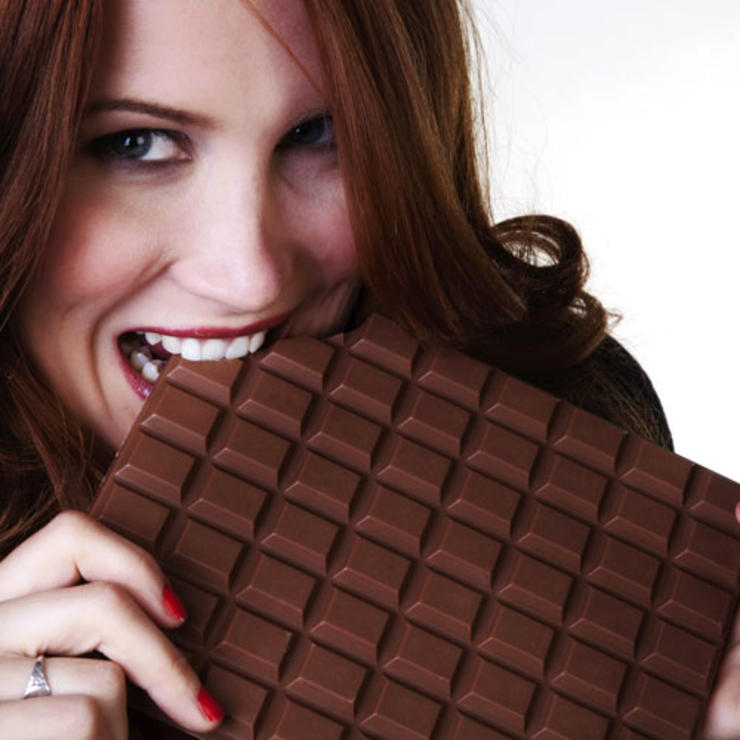
Learning how to listen to your body is a vital step to living an active and healthy lifestyle. Women who blame themselves for their food cravings only worsen their mood and increase their need for serotonin. That’s when a pattern of emotional eating can develop. Remember, there are biological causes of sugar cravings, and your carbohydrate craving is rarely just a behavioral problem. The root problem is more likely inadequate nutrition.
To reduce food cravings, the body needs real support — and lots of it. Eating healthy foods, eating breakfast every day (skipping breakfast can make cravings worse), taking nutritional supplements, moderate exercise and lots of emotional support can almost miraculously curb cravings. Your metabolism will heal itself when provided with the necessary nutritional support. If it has been damaged, the process can take some time, but it will happen.
Here are some tips to help when times get tough:
- Eat every 3 hours. One of the biggest culprits for psychological cravings is falling blood sugar levels. If you keep your levels steady, you simply won’t crave the same things. The easiest way to combat cravings is to avoid them in the first place.
- Drink water. Dehydration confuses the body and will often make it feel hungry. A small glass of water each hour will keep your stomach full and keep you hydrated.
- Wait. Real cravings stay with you but psychological ones don’t. If you’ve eaten enough and are hydrated, putting off a decision for 15 to 20 minutes will help the craving dissipate.
- Distract yourself. If you’ve been working in front of a computer but feel the need to eat, do something else. Make a phone call or read the news. Changing your mindset might be all you need.
- Exercise. If you start to exercise and your cravings aren’t physiological, you’ll feel better almost instantly. If they are physical, you’ll never be able to really get into your workout, which is a sign that you need to eat.
- Keep healthy snacks around. Keeping healthy snacks around will help. Have a piece of fruit or some raw veggies. If that doesn’t help, you’ll know your craving is psychological.
- Change your routine. Habit can affect a craving, so shake up what you do, even if it’s just slightly. Turn off the lights in your kitchen and try not to use that room. Forcing simple changes can make it easier to follow through with tougher ones.
- And when absolutely nothing else works, give in—but RARELY! Have a square of chocolate instead of a whole bar, a serving of chips (around 20) instead of a bag, half a soda instead of the entire thing. And never let one bad evening turn into a three-day (or three-week) binge! This will work your habitual mind in the right direction and lead to the ability to cut that craving out for good.

A healthful diet should be one that meets your nutritional and your emotional needs, as well as your preferences
Related Links
- Top 10 ways to healthy eating
- Carbohydrates: Do they cause weight gain?
- Diet containing too much sugar can quickly cause weight gain
- Eat your way to a Better Body
Disclaimer
The Content is not intended to be a substitute for professional medical advice, diagnosis, or treatment. Always seek the advice of your physician or other qualified health provider with any questions you may have regarding a medical condition.