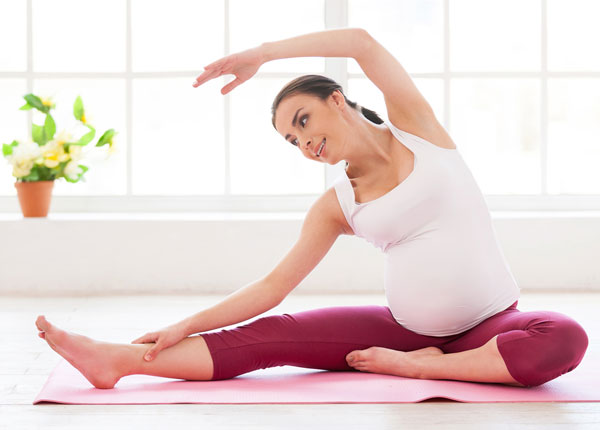
Body image is among the greatest concerns of women during the first year after childbirth. The desire to lose weight and tone muscles in the postpartum period is common concern after child birth in today’s society. Weight reduction can be difficult for anyone at anytime, but a mother who is trying to return to her pre-pregnancy weight is also challenged with additional stresses of increased child care commitments, less rest and sleep, household responsibilities, and, possibly, returning to work outside the home. A woman trying to be successful at weight management while breastfeedingwill need the support of her family, friends, employer, and medical caregiver.
This article provides preliminary recommendations for diet and exercise programming for breastfeeding women who have the desire and, in consultation with their health care provider, have determined that weight management is necessary.
Nutrition during Lactation
Lactation places significant energy demands upon the mother, causing the additional expenditure of more that 500 calories per day. The recommended diet is at least 1,800 calories per day, the minimum recommended intake for lactating women. The food eaten should consists largely of complexcarbohydrates, low in fat and sugar, and contains the necessary meat and dairy products to meet minimum safe nutritional intake guidelines (United States Department of Agriculture [USDA]). No effort should be made to deliberately restrict total calorie intake, and women should feel free to eat to satiety when they are hungry but to refrain from becoming overly full.
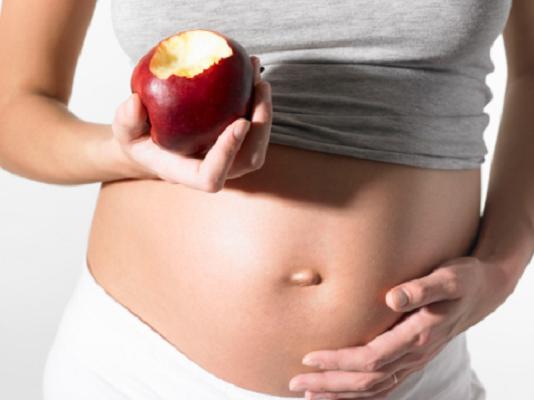
There is a need to make use of dietary exchange list to simplify meal planning and facilitates eating and recording food intake. The exchange list represented below consists of six groups of foods classed together because of similar calorie content and percentage of carbohydrates, protein, and fat. The numbers and types of exchanges eaten should be recorded after each meal in a daily food log to keep a written track of the daily food intake. The strength of this type of dietary recommendation, which uses exchange lists, is that it allows the woman to plan and prepare her own menus based on the type of foods she and her family prefer.
The diet should be composed of approximately 60% of carbohydrate (<=10% of which is composed of refined sugars), 20% protein, and 20–25% fat (<=33% of which is composed of saturated fats.) Eat three or more meals per day, and eat snacks of fruit, vegetables, and grains whenever hungry.
Prescribed Daily Diet
| Exchange List | Servings | Size | Selection Tips |
| Milk | 3 | 1 cup | Select skim products of milk, yogurt, etc. |
| Meat | 6 | 1 oz. | Choose lean cuts of meat and other sources of protein such as beans and legumes. |
| Fat | <=4 | 1 tsp. | Limit fat intake to mostly unsaturated oils. |
| Fruit | >=5 | 1 small | Fresh fruit is preferred over juice and canned. |
| Vegetable | >=5 | 1 cup raw | This is the most difficult to eat enough of; fresh is best. |
| Starch | >=8 | 1 slice/1/2 cup | Choose whole grain products. |
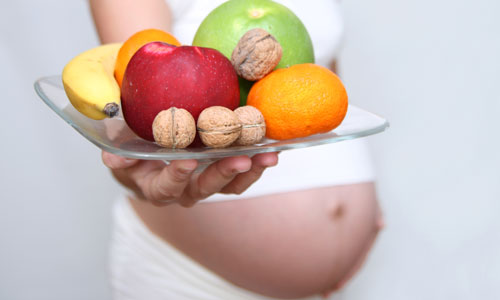
It is important to dispel the myth that it is acceptable to eat as much as desired of any food touted by manufacturers as low-or non-fat. Foods in this category (particularly snacks and desserts) are often found to be high in refined sugar and calories. This diet is also nutritionally sound and conducive to a lifelong pattern of healthful eating by the woman and her family. Vitamin and mineral supplements are not necessary but may be taken at the discretion of the woman and her health care provider, especially if her food choices provide marginal dietary intake of calcium, magnesium, zinc folate, and vitamins B6 and B12. Excessive drinking of beverages with high sugar, caffeine, or alcohol content is discouraged.
Exercising during Lactation
A postpartum woman can begin a full exercise program as soon as she receives approval from her medical caregiver. This is typically after 6 weeks, although this is not based on studies of a woman’s overall healthbut principally on the length of time it takes for the uterus and softened ligaments to return to their normal pre-pregnancy state (American College of Obstetricians and Gynecologists [ACOG], 1994). Each woman is different, and no blanket recommendation as to when to start can be given.
Guidelines for an effective exercise program :
- A lactating woman needs to avoid excessive stretching and lifting of heavy weights, however, since laxity of joints and tissues may continue after the initial 6-week postpartum period. This is due to increased secretions of relaxin and progesterone during pregnancy, resulting in softened ligaments, cartilage, and the cervix to prepare for delivery. These hormones do not return to pre-pregnancy baseline levels for several months in the breastfeeding mother, so she needs to be especially cautious. The muscles needing the greatest attention are those that may have shortened during pregnancy and may include those of the lower back, hip flexors, chest, hamstrings, inner thighs, and calves. Best results are achieved when flexibility exercises are done following the aerobic phase of the workout and before strength exercise.
- It is important to monitor vaginal discharge(lochia), which normally occurs for the first 6 weeks. If during activity the color of the discharge changes from rust or whitish yellow to bright red, exercise must be stopped. If the bleeding continues for more than 1 hour or recurs frequently during or after a workout, the woman’s health care provider should be consulted (ACOG, 1994).
- After 2–6 weeks, more strenuous abdominal strengthening exercises can be done. Before starting to do crunches or partial sit-ups, it is important to check to see if the two vertical abdominal muscles are separated (diastasis recti). This condition can be caused during pregnancy by the enlarging fetus pushing against the abdominal wall. Interestingly, Boissonnault and Blaschak (1988) reported that diastasis recti was absent in all women who had exercised regularly before pregnancy. A woman can do a self-check by placing two fingers above the navel and, while contracting the abdomen, palpating firmly. If more than 2.5 cm (two finger widths) separate the two muscles, a modified crunch (performed by crossing the arms over the abdomen and placing the hands alongside the abdominal muscles. As the abdomen is contracted, the hands are squeezed inward to keep the muscles from moving out laterally. Otherwise, the crunch is done in the supine position with the knees bent. This puts the spine and hips into apelvic tilt, which supports and protects the lower back), which includes a stabilizing measure, is recommended. For some of best post-natal abdominal exercises log on to http://www.womenfitness.net/postnatal.htm
- A Kegel should also be performed simultaneously after a modified crunch to support the pelvic floor, which receives downward pressure from the contracting abdominals. The spine should be slowly curled forward while the head and shoulders are lifted 15–20 centimeters and the waistkept flat on the floor. The feet should be unrestrained to avoid using the assistance of the hip flexors. The movement is performed with outstretched arms held straight toward the knees to emphasize the rectus muscles and then rotated diagonally to the opposite knee to involve the obliques. As greater strength is gained over time, the arms can be folded across the chest and eventually held alongside the head to increase resistance.

- To overcome inertia, the movements should be smooth, without sudden jerks.
- Regular breathing is necessary. Exhalation should occur as the muscles tighten and inhalation as the muscles relax. More abdominal exercises can be found at:
http://www.womenfitness.net/ programs/strength/exercises.htm#ABDOMINAL - One to 3 months following childbirth, a complete vigorous workout can be performed, includingaerobic exercises for stimulating the cardiovascular system, resistance exercise using the body’s own weight, machines and hand-held weights for developing overall muscular strength, and stretching exercise for improving joint flexibility.
- Drinking plenty of fluids before, during, and after exercise is important. This practice helps prevent dizziness from either hypovolemia or hypoglycemia.
- Walking and non-weight-bearing aerobic activities, such as stationary cycling and water exercise (e.g., swimming, aerobics, and jogging) are recommended & are best during the early recovery stage. Jogging before involution of the uterus to its pre-pregnant size causes excess weight to push down on the pelvic floor. Pelvic organs, most frequently the vagina and uterus but sometimes the bladder or rectum, may protrude when support is inadequate. Ligaments surrounding the joints also need time to recover from the increased laxity from pregnancy. It is a good idea to wait 3 to 6 months before jogging. Heavy breasts may also be difficult to support against bouncing.
- A heart rate maximum of between 135–150 is recommended during the first few months postpartum (ACOG, 1994). A 5-minute warm-up should precede working at the prescribed heart rate. A duration of 10–15 minutes is appropriate to start with, working up gradually to 45 minutes within a month. If walking is chosen, good shoes with adequate foot support are a must to avoid shin splints or other orthopedic problems. Cross training (alternating activities) is an effective method for preventing overuse workout syndrome injuries.
- It is recommended that 8–10 different strengthening exercises utilizing the major muscle groups be done at least twice a week. If a machine on which resistance can be adjusted is used, the setting should be heavy enough to allow at least 8–12 repetitions, depending on the exercise. Upon completion of a set, the sensation in the muscles should be one of moderate fatigue. The set should be stopped two to three repetitions shy of maximal fatigue. This assures an adequate overload stimulus but protects against overdoing. It is recommended that two sets of each exercise be done with a 1- to 2-minute break between sets. If desired, after 1 to 2 months of consistent workouts, a woman can perform a circuit-style weight program in which she advances from one exercise to the next with only a 15-second pause between exercises. Besides strengthening the muscles, this format also provides a significant cardiovascularstimulus.
Conclusion
A regular regimen of physical exercise, coupled with eating a low-fat diet, may be undertaken during lactation without detrimental effects to the health of the mother or to the growth of the infant. The benefits of weight and fat loss, especially from the lower body, and improved mental outlook and long-term prevention of certain chronic diseases clearly outweigh any risks.
Related Links
- Recovering after Caesarean birth
- Getting Back in shape: Rebuilding the Foundation
- Moms: Play Your Way to Fitness
- Defining Postpartum Fitness Regime.
- Cardio Timing: The Secret to Burning Fat Up To 300% Faster
- Stretching for fitness
- Water Aerobics during Pregnancy
- Choosing the right Diet for Weight Loss
Disclaimer
The Content is not intended to be a substitute for professional medical advice, diagnosis, or treatment. Always seek the advice of your physician or other qualified health provider with any questions you may have regarding a medical condition.