
As modern society increasingly comes to accept childbirth as a natural process, you will find a growing number of options available for giving birth.
Doctors have learned how to eliminate most of the pain associated with childbirth.
Every day they use technological intervention in problem deliveries to save thousands of babies who might otherwise not have survived.
But until recently, such advances turned childbirth into an impersonal procedure in many hospitals, and mothers and fathers had little say in how the birth was managed.
Today most doctors accept that you have choices that allow you to decide how much medical intervention you want during labor and the birth itself. Many women have a more positive experience when they have a say in their care, including how and where to give birth. Studies have shown that these women feel more fulfilled in the birthing process and suffer from less depression afterward, regardless of whether their labor was easy or problematic, long or short.
The time to start thinking about childbirth is in the early stages of your pregnancy.
You’ll need time to research the possibilities, look into the costs and insurance coverage, and choose a practitioner, birth center, or hospital. Although you cannot decide everything in advance, you may find it helpful to talk matters over with your partner, medical advisers, family, and friends.
As you consider various approaches to childbirth, keep in mind those issues that are most important to you.
A MANAGED BIRTH
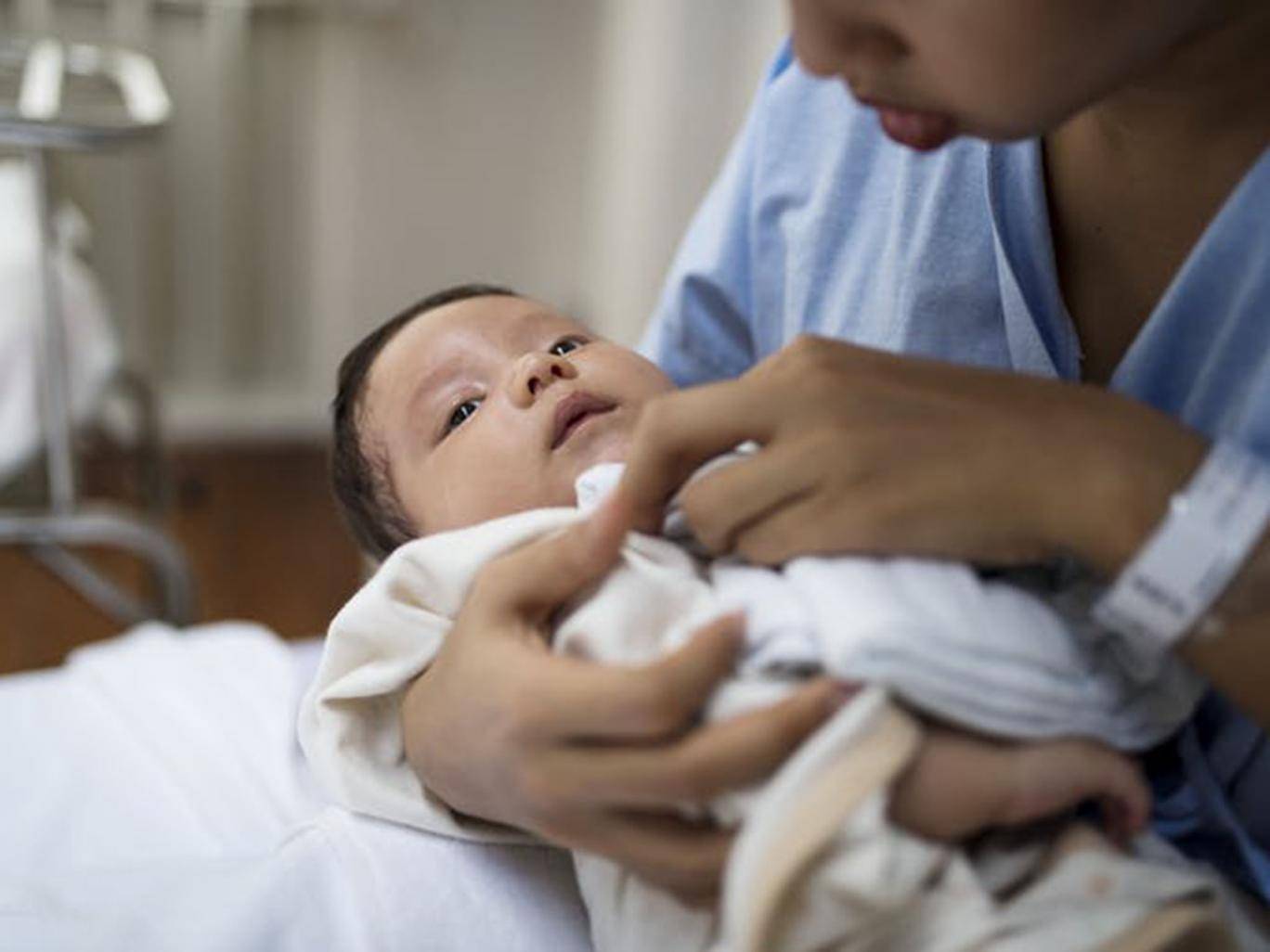
Some mothers feel safer and less anxious if their birth is closely managed and controlled by their caregivers, with technical support readily available. You may know in advance that you want medication for pain relief.
Or you may be advised to have a particular kind of pain reliever if your baby’s birth is being induced.
Your doctor may recommend a cesarean before you go into labor for a variety of reasons.
If your baby assumes a footling breech or transverse presentation, for example, surgery may be advisable. Doctors encourage medical intervention as well when mothers have certain medical conditions, such as hypertension, kidney disease, or active genital herpes.
NATURAL CHILDBIRTH

Natural childbirth methods are again making their way back into the mainstream. Part of this revival is due to the fact that hard scientific research has now substantiated the efficacy of these disciplines. For example, studies have shown that by replacing drugs with acupuncture and herbs, practitioners can reduce anxiety and pain while naturally speeding up labor. But more than just proving that they work, these holistic methods of childbirth have proven to work with the body’s natural processes, not in opposition to them, a fact that sets them apart from more clinical procedures.
Besides natural birth is an umbrella term that refers to giving birth without medication and intervention from doctors nurses. In its strictest interpretation, this approach rules out such procedures as induction, acceleration of labor, artificial rupture of the membranes, continuous electronic fetal monitoring, use of forceps or vacuum extraction, or cesarean section. Natural childbirth relies on support and encouragement from the doctor or midwife, and your birthing partner. Breathing and relaxation techniques may help you to manage the pain, and eliminate the need for medication.
If natural childbirth appeals to you, treat it as an ideal. If unforeseen complications arise, however, or your labor is painful or prolonged, you should be prepared to seek the advice of your caregivers.
ACTIVE CHILDBIRTH
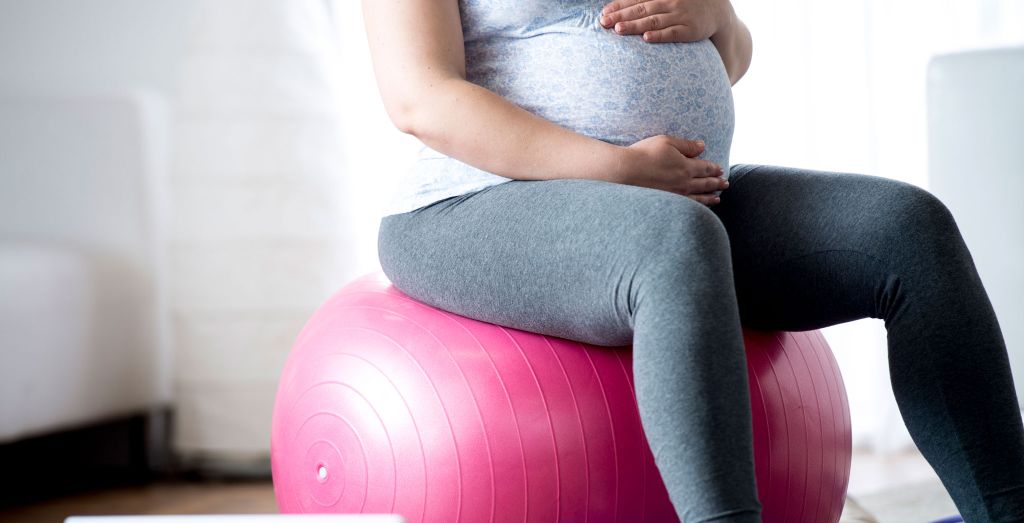
This is a form of natural childbirth, but it is often taught as a separate method to couples. Active childbirth involves moving around in the early stages of labor, which may increase the speed with which the cervix dilates. It also alleviates the tension that can build when you are sitting or lying down simply waiting for the next contraction.
When contractions become stronger, your partner or a birth companion supports you physically – for example, in a squatting position. Delivering a baby while lying flat on your back has real disadvantages: it inhibits the supply of oxygen to the baby and it requires that you push against gravity, instead of letting gravity help you deliver the baby.
The room used for active childbirth is typically equipped with chairs, beanbags, and furniture of different heights. These items become tools that allow a laboring woman to find a variety of comfortable positions and to keep moving for as long as she wants.
PSYCHOPROPHYLAXIS

Made widely popular in the West through the work of Fernand Lamaze, this technique was first practiced in Russia. Psychoprophylaxis prepares the mind for labor and birth, using carefully worked out breathing exercises that help reduce and distract from the pain. Some teachers of prenatal classes combine this training with relaxation techniques that suppress pain, prevent fear-induced tension, and aid the birthing process. Critics of this approach argue that it it better for a woman to work with her body and actively use the pain of contractions to help labor along. Click here, for more on Lamaze Classes.
WATER BIRTH
Many women find relaxing in a tub of warm water a good way to cope with labor contractions, a factor that led some women to stay in the tub throughout labor and delivery.
Professionals have questioned the advisability of giving birth in water because of the (very small) risk of the baby’s drowning. A theoretical risk also exists of introducing infection once the membranes have ruptured. But many mothers who have tried it have found it a positive, loving way to bring their baby into the world. It is under appraisal for safety and is available in only a limited number of centers.
THE BRADLEY METHOD
Dr. Robert Bradley adopted many of the same theories as Dr. Grantly Dick-Read. His method emphasizes the father’s role as coach, based on the belief that the father’s active participation is vital to the childbirth experience. Couples learning the Bradley method often attend classes much earlier in the pregnancy, some starting as soon as the pregnancy is confirmed.
Dr. Bradley believes that the special breathing techniques used in other methods can lead to exhaustion, dizziness, hyperventilation, and possibly a decrease in oxygen to the fetus. Instead, he believes a woman should continue to breathe normally through labor and on to delivery. The coach’s role is to constantly monitor the woman’s relaxation and redirect her to find the relaxation state if he notes tension. Click here for more on Bradley method.

WHICH IS BEST FOR YOU?
- Water births are not widely available, but many hospitals and birth centers will be able to accommodate your wishes for other types of birth.
- Your health and that of your baby must be the determining factors in any decisions you make. If you are healthy and the pregnancy is normal, you will have the most freedom of choice.
A woman who has developed a condition such as preeclampsia or placenta previa, or who has a history of complications will be more limited.
Read as much as you can about your options and talk to friends about their experiences. When you talk to prospective physicians, this should be one of the topics you explore together.
Finally, hospitals and birthing centers often offer their own childbirth preparation classes. These classes usually include information on exercise, nutrition, breathing, position, movement and relaxation methods for use in labor and delivery, information regarding hospital procedures, medications, anesthesia, alternative complementary therapies, newborn care and the postpartum period.
Disclaimer
The Content is not intended to be a substitute for professional medical advice, diagnosis, or treatment. Always seek the advice of your physician or other qualified health provider with any questions you may have regarding a medical condition.