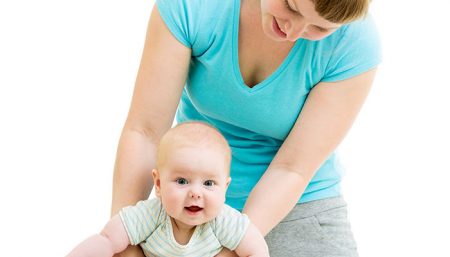
The need for leading a healthy, active lifestyle is indeed serious, but exercise can be play as well as work. Keep in mind that most sports and games require movement. You can think of the benefits of participating in or training for a sport as the three Fs, because you’ll often get faster and fitter-and you’ll have fun, too. Actually, there are five Fs. Many of these activities are ideal for families and friends to do together.
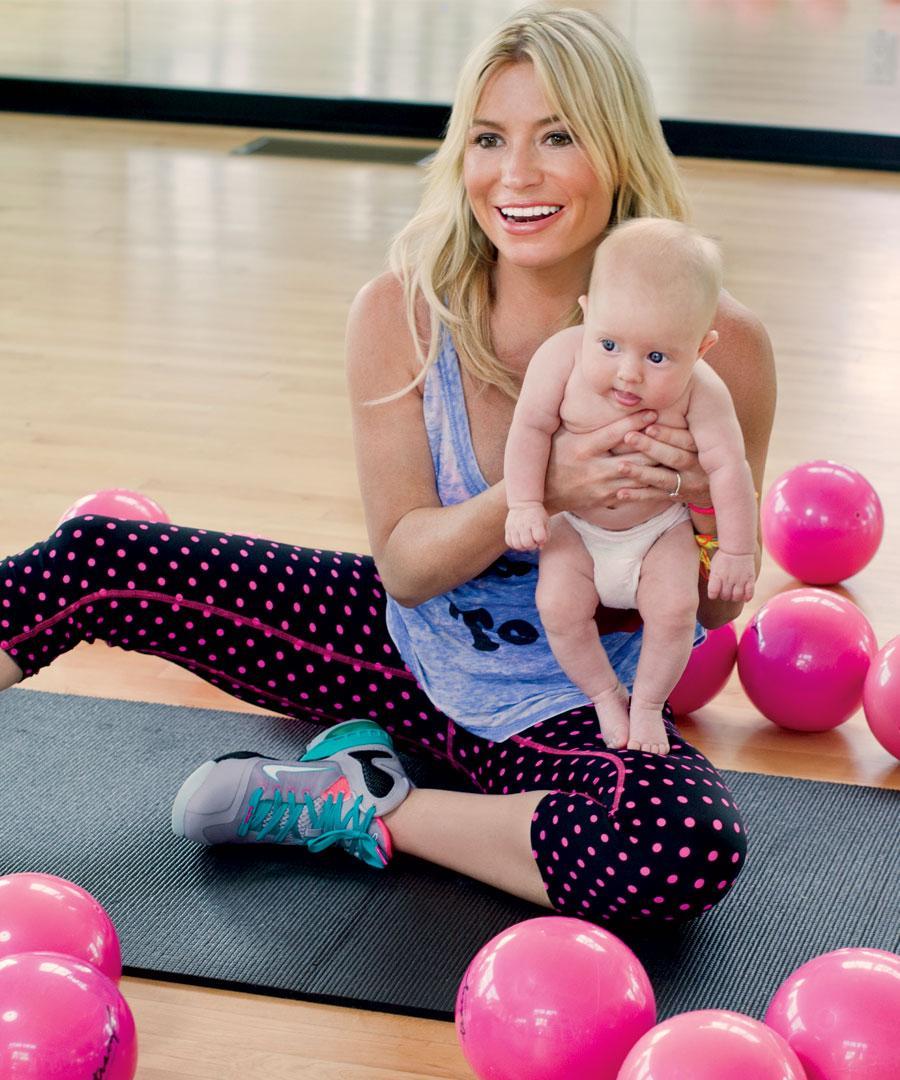
Play with a kid
Keeping up with children is a great way to mesh exercise with parenthood. When babies are small, parents move them and their paraphernalia all day. Carrying an infant, walking him or her when colic strikes, pushing a carriage and then a stroller, and even dealing with endless rounds of laundry keeps parents, especially moms, in motion. When children grow and become more self-reliant, parents take that as a cue to sit down and rest. Physical inactivity, however, takes its toll. If you think you are tired when babies and toddlers require constant attention and chores, it’s just a prelude to the constant lethargy you will feel if you take it too easy when your children get older. Being an active participant in life sets an excellent example for your children, and participating in sports together can be a treasured family bond.
Here are some ways you can spend quality active time with your children while you rev up your metabolism and have fun, too:
- Swimming. Sign up infants and toddlers for baby swim classes. Not only are the classes designed to “drown-proof” your children, you also will get exercise because parents are in the pool with their little ones. Playing a game that includes lifting your child out or the water is nothing less than an upper-body workout for you.
- Beach time. When you take children to the beach, don’t just sit there. You can swim, of course, but many kids like to splash and parents like to watch them. Partner up with another parent and take turns watching the children. When you’re off duty, take advantage of the time and go for a short walk. Just walking on resistant sand strengthens your shins, calves, and even the muscles in your feet. Walking barefoot on sand naturally sloughs and smoothes the skin on the bottom of your feet. Wading adds the resistance of water to your walking, as long as you keep moving and don’t merely stand knee-deep in the water. Toss a beach ball around with your kids or help them build a sand castle. This isn’t major exercise as much as just a fun time.
- Bicycling. Go for a family bike ride. When your children are little, you can hitch up a special bicycle trailer designed to hold a toddler or two. Pedaling yourself, your bike, the trailer, and the tyke can be a real workout. When your child gets old enough to pedal, you can hook a tandem behind you. Your youngster can pedal, but you’re in control because you steer-and you’re the only one with brakes.
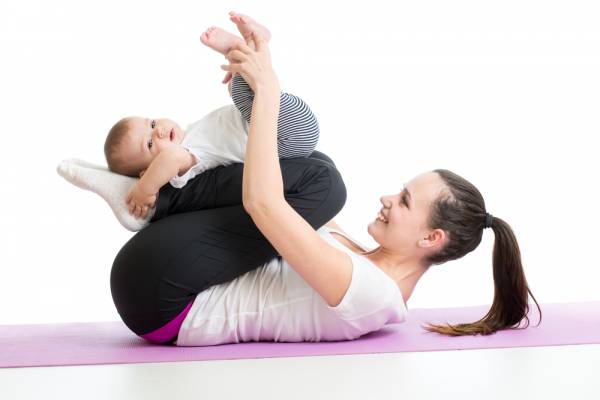
- Hiking. Plan family hiking or camping trips. A “hike” with a small child can be a short walk in the woods, and you might spend as much time carrying your little one as not. This imprints children with the idea of healthy outdoor activity in a natural setting from their earliest years. The same goes for camping. You probably will find it convenient to start by car camping when your children are small, but short backpacking trips are feasible when they are quite young. Because the scope and range of such outdoor activities grow as your children do, getting into the habit of such activities from the beginning is an investment in future family fitness.
- Skating. Ice skating, in-line, and roller skating are terrific sports for youngsters-and parents. Four or five is not too young for basic ice-skating lessons. Children are often a bit older when using skates with wheels rather than skates with blades. Some children are happy just skating around in circles at a rink, but others take to it so quickly that they soon ask for figure-skating lessons or to join a junior hockey program. In-line skaters can start at a playground, on the asphalt of a basketball court, or in some other confined area before graduating to side walk skating.
- Coaching. When your children become interested in team sports, such as soccer, basketball, and the like, keep them and yourself motivated by volunteering to coach or referee. To be a good coach or referee, you can’t just stand around. Keeping the whole team focused, on track, and motivated requires you to move around, too. This, in turn, will keep you on track with your fitness program.
Many sports require power, which can be defined as a combination of strength and speed. Others require agility, which can be defined as nimbleness when starting, racquetball, and basketball require both power and agility. If you get involved in these sports, you should train to improve both.
Disclaimer
The Content is not intended to be a substitute for professional medical advice, diagnosis, or treatment. Always seek the advice of your physician or other qualified health provider with any questions you may have regarding a medical condition.