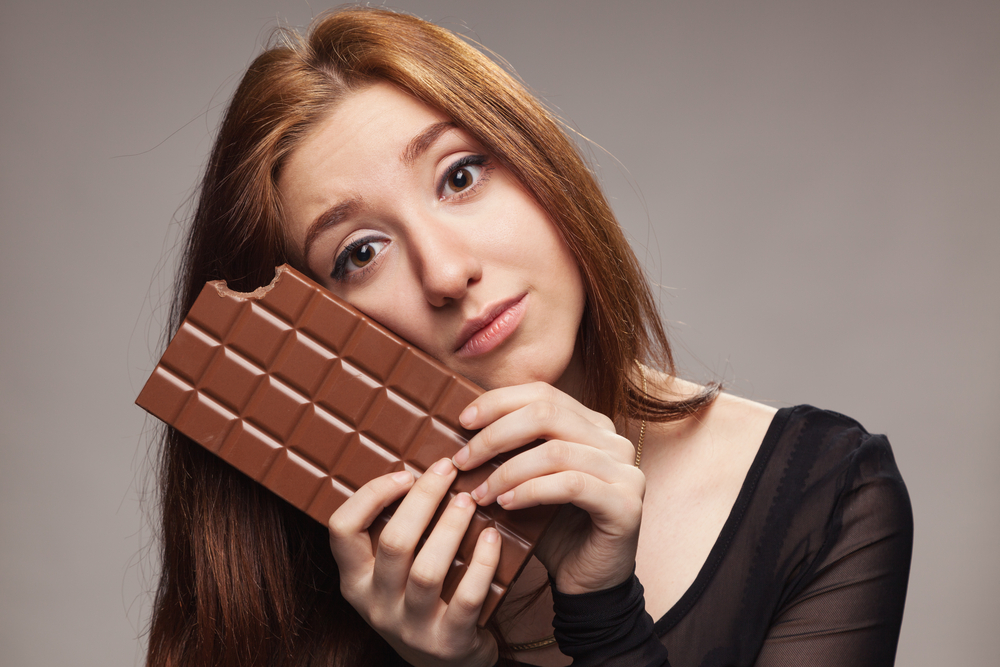
Eating food at regular intervals is a healthy routine, but one that is based on emotions or a current mood can prove detrimental in the long run. Food does more than fill our stomach — it also satisfies feelings. 25%-30% of Americans have emotional eating issues, with the percentage towards a hype in thick of present circumstances.
According to Brian Wansink, PhD, director of the Food and Brand Lab at the University of Illinois “Ice cream is first on the comfort food list. After ice cream, comfort foods break down by sex: For women it’s chocolate and cookies; for men it’s pizza, steak, and casserole.”
What you reach out for when eating to satisfy an emotion depends on the emotion. According to an article by Wansink, published in the July 2000 American Demographics, “The types of comfort foods a person is drawn toward varies depending on their mood. People in happy moods tended to prefer … foods such as pizza or steak (32%). Sad people reached for ice cream and cookies 39% of the time, and 36% of bored people opened up a bag of potato chips.”
Emotional eating can cascade into binge eating—a complete loss of control over eating. Chronic emotional eating can add on pounds

The next question that follows, How to identify emotional Eating?
Emotional eating can be a real problem with those struggling to lose weight. They want to lose weight, but are depressed so they eat. They get more depressed and eat more.
Putting the right foods in your pie hole (i.e., not pie), noshing when your nerves are jangling can actually calm you down. And that’s great news, because the last thing you need is more stress, which over time can increase your risk of high blood pressure, heart disease, and obesity.
- When hunger strikes you suddenly creating the need to eat urgently, its a sign of emotional summersault.
- You keep stuffing in food down your throat even if you aren’t hungry anymore.
- Have eaten to the point of physical discomfort.
- You don’t know whether you were hungry or not when you ate.
- Not realizing the amount of food that has gone in and of course, how it tasted.
- Over ridden by feelings of shame, guilt or embarrassment aftereating(frenzied).
- You eat because you are bored, tired, lonely, excited.
- Hunger accompanies an unpleasant emotion–anger, hurt, fear, anxiety. Emotional eating begins in your mind–thinking about food–not in your stomach.
- Uncontrolled craving for a certain food or drink. If you are eating for physical hunger, any food will fill you up.
- You keep eating (or grazing, or nibbling) because you just can’t figure out what you are hungry for. Nothing seems to hit the spot (physical hunger goes away no matter what food you choose to fill up on).

Combat Emotional Eating:
Experts till date don’t know exactly why we gravitate toward fatty or sugary foods when we’re feeling down, or how those foods affect our emotions. Taste and the pleasant memories associated with junk foods surely play a role, but that may be only part of the story.
The biological mechanism at work is still unclear, but the findings suggest that the stomach may influence the brain by releasing hormones, says Lukas Van Oudenhove, M.D., one of the study authors and a postdoctoral fellow at the University of Leuven, in Belgium.
- Be more alert about your emotional state-sadness, boredom, anxiety, anger, shame, hurt, guilt? Remember that emotions and the thoughts are created by your mind. Take a deep breath and think about the happier moments in your life. Move out off the present location, to a garden or playground. Penning down your emotions also helps.
- Reconnect with your Values: We all grow up with a certain set of values; now is the time to get them back in life. what is it that makes life worthwhile for you? For example, your health or family may be important. Take action that will support your values; remind yourself that emotional eating does not support your health.
- Take up something Productive: Try taking a walk, call a friend, play cards, go for a pedicure, clean your room, do laundry, or something take your mind off the craving — even taking a nap helps. According to a 2011 study published in the American Journal of Clinical Nutrition, people who slept for four hours ate 300 calories more than when they slept for 9 hours. Mothers can take their children out to a nearby park where you can walk and relax along with the kids.
- Nurture your Hobbies: Gardening, knitting, painting etc. work as a catharsis, and with the result pouring in you will feel elated. Understand that whatever feelings you are having now will pass in time.
- Plan ahead: don’t leave things to the last minute and there by create a crisis for yourself with accompanying anxiety. Set small goals that you can accomplish easily, and congratulate yourself for every success.
- Adopt mindfulness—an attitude of openness, receptivity, curiosity, and acceptance and leave behind judgment or ideas from the past or future.
- Yoga at its best: Downward Facing Dog, Pawanmuktasan, Naukasana,Pranayama are some of the yoga poses, if practiced regularly can help you feel better about your emotional state. Give it a try for a couple of days and see if you notice a difference. Listen to your breathing. feel your heart beating. Acknowledge you are alive and worthy to be who you are!
- Practice Moderation: Comfort foods are hard to omit, the better option is moderation. Store comfort foods in smaller portions in places you generally hit upon while feeling low. For instance, if you have a large bag of chips, divide it into smaller containers or baggies and the temptation to eat more than one serving can be avoided. By any chance, if you have company try eating together, chances are you will eat less. Focus onbalancing the calorie input to calorie output. Model healthy eating and exercise habits. Do this as a genuine concern for your own well-being. Eating high fat foods in moderation will do no harm.
- Eat Slowly: if you can change your eating habits and begin to eat in time and more slowly, chewing your food 20-30 times before swallowing, then you will likely begin to eat fewer calories. More importantly, you will actually feel full after your meal, and you will go longer before feeling the need to eat again. It could be that modifying eating time and speed is the best dieting tip anyone could give.
- Love Yourself: Thank God for all that he has blessed you with- especially during times of vacillating emotions. Understand that shame and guilt often lead to emotional eating, and emotional eating in turn leads to more shame and guilt, creating a vicious cycle that is hard to break. New research published by BioMed Central’s open access journal International Journal of Behavioral Nutrition and Physical Activity shows that improving body image can enhance the effectiveness of weight loss programs based on diet and exercise. Dr Teixeira from Technical University of Lisbon, who led the research, said, “Body image problems are very common amongst overweight and obese people, often leading to comfort eating and more rigid eating patterns, and are obstacles to losing weight. Our results showed a strong correlation between improvements inbody image, especially in reducing anxiety about other peoples’ opinions, and positive changes in eating behavior. From this we believe that learning to relate to your body in healthier ways is an important aspect of maintaining weight loss and should be addressed in every weight control program.”
Practice the principles of balance, variety, and moderation.
Disclaimer
The Content is not intended to be a substitute for professional medical advice, diagnosis, or treatment. Always seek the advice of your physician or other qualified health provider with any questions you may have regarding a medical condition.