Every year December 1 is celebrated as World AIDS Day to spread awareness about HIV, show support for people living with HIV, and commemorate the ones who died of HIV. The theme for World AIDS Day 2022 is “Putting Ourselves to the Test: Achieving Equity to End HIV.” The theme also highlights the importance of HIV testing. “Everyone should get tested for HIV and know their status.
Many myths about HIV and AIDS have contributed to prejudice and stigma about the disease. Here are some of the most common.
1. The myth: “HIV can be spread through tears, sweat, mosquitoes, pools, or casual contact.”
The reality: HIV can only be transmitted through infected blood, semen, vaginal fluids, and breast milk. The most common ways for HIV to be transmitted are through unprotected sexual contact and/or sharing needles with an HIV-positive person. HIV can also be passed from mother to baby during pregnancy, birth, or breastfeeding. The Centers for Disease Control and Prevention recommends that tools that are intended to penetrate the skin be used once then disposed of or thoroughly cleaned and sterilized between clients. If you are considering getting a tattoo or having your body pierced, ask the staff what steps they take to prevent the spread of HIV and other blood-borne infections, such as the hepatitis B virus. You also may call the local health department to find out what sterilization procedures are in place in the local area for these types of businesses.
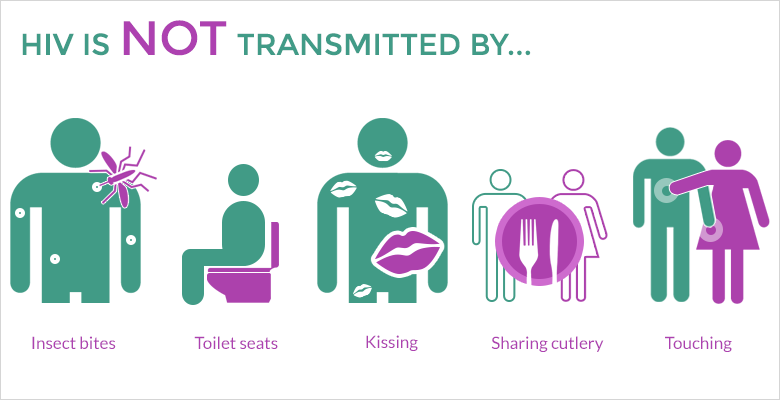
The following “bodily fluids” like tears, sweat, saliva, urine, and feces are NOT infectious
2. The myth: “Since I am HIV-positive, if I get pregnant, I will spread the disease to my unborn baby”
The reality: This used to be true but not anymore. Modern drugs are highly effective at preventing HIV transmission during pregnancy, labor, and delivery. When combined with other interventions, including formula feeding, a complete course of treatment can cut the risk of transmission to below 2%. Even where resources are limited, a single dose of medicine given to mother and baby can cut the risk in half. Without treatment, this risk is about 25 percent in the United States. The drugs that can prevent HIV from being passed from a mother to her baby are called antiretroviral (ARV) drugs. ARVs are the drugs that are also taken by HIV-positive women who are not pregnant, to prevent them from becoming ill. Click here, for more on HIV and Pregnancy.
3. The myth: “It’s not AIDS that kills people; it’s the medicines they take!”
The reality: HIV medications, known as antiretrovirals, don’t cure HIV, but they can help keep people healthy for many years. People died from AIDS before antiretrovirals became available. Since combination drug therapy for HIV was begun in 1996, the average life expectancy for HIV-positive people in Europe and North America has increased. In addition, death rates for HIV-positive people who receive combination antiretroviral treatment have dropped. Unfortunately, HIV drugs do have side effects and toxicity (for some people) that can be life-threatening in very rare cases. The good news is that many of the newer HIV medications have fewer side effects and are easier to take.
4. The myth: “HIV patient should not eat high calorie, high protein diet”

The reality: Good nutrition can improve your health and slow down your HIV infection. You might have trouble eating if you have sores in your mouth, diarrhea, nausea, or just a poor appetite. Here are some ways to add nutrition to your diet:
- Have high-calorie protein drinks or shakes. Adding powdered milk can increase the nutrition of other drinks.
- Drink 8 to 10 glasses of filtered water each day.
- Keep nutritious snacks on your hands, such as nuts and carrot sticks.
- Eat high-calorie foods if you’re losing weight.
- Call your doctor if you lose 5 pounds or more when you didn’t intend to.
- Talk to your doctor about taking a multivitamin every day. Take your multivitamin with a meal to help prevent an upset stomach.
5. The myth: ” HIV patient should not workout to avoid unnecessary strain”
The reality: Basic exercise is important for everyone, no matter what your physical condition. In addition to toning muscles and improving strength, exercise can greatly improve the immune system and help you manage stress, which is especially beneficial for those living with HIV. There are two major types of exercise that can be beneficial for people living with HIV: resistance and aerobic. Resistance exercise (weight training) adds density and bulk to the muscles in your body. This type of exercise is probably the most important for people with HIV because more muscle = better immune function. Resistance training may include push-ups, pull-ups, and deep knee bends but is even more effective when weights are used. If you don’t have access to a gym, be creative! Instead of weights, simply use common household items such as soup cans, books, or milk jugs filled with water or sand.
While aerobic training is not advised for individuals experiencing wasting or unintentional weight loss, these individuals can benefit greatly from resistance training. In general, try doing some form of physical activity at least every other day. If you like to exercise daily, you might consider alternating the days on which you train aerobically or with weights.
6. The myth: “Senior citizens do not stand the risk for HIV”

The reality: When we think of HIV we have certain populations in mind. We hear about its ravages on young men and women; the gay and transgender populations; the homeless and the intravenous drug user. We seldom think about HIV and senior citizens. What no one talks about is HIV and the older adult. It’s no wonder that when you speak to our senior citizens, they feel HIV is not a risk to them. The truth of the matter is that HIV surveillance shows that 11 percent of all new AIDS cases are in people over the age of 50. Statistics also show that new AIDS cases rose faster in the over 50 population than in people under 40. The following information sheds light on HIV and the older adult population and what can be done to raise awareness, slow the infection rate, and sustain a high quality of life for our seniors. Heterosexual transmission in men over 50 is up 94 percent and the rate has doubled in women since 1991. And while prevention and education dollars are concentrated toward young adult populations, seniors are not getting safer sex education and continue to get HIV-infected.
7. The myth: “The ‘AIDS test’ can’t be trusted.”
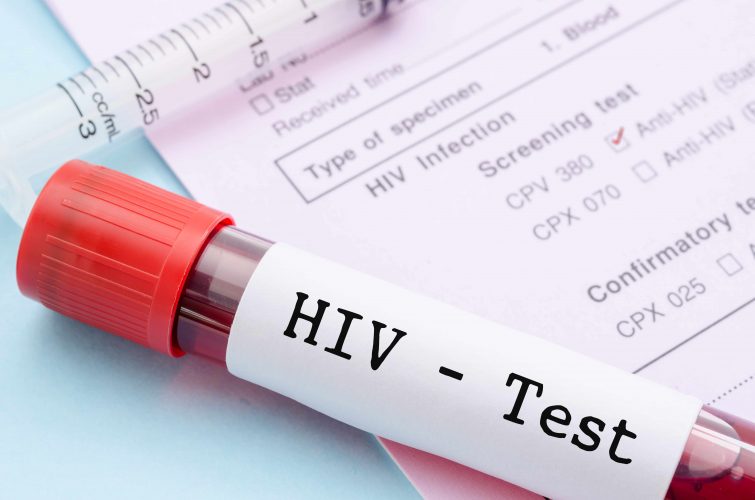
The reality: The ‘AIDS test measures HIV antibodies. If you are infected, your immune system will make antibodies against HIV. The HIV antibody test (called ELISA or EIA) is one of the most reliable medical tests. Before you get the results, the test has usually been done two or more times. Before a positive antibody test result is reported, it is confirmed by another test called a Western Blot. According to the CDC, the combined accuracy of the antibody test plus the Western Blot is greater than 99 percent. Today, testing for HIV is more reliable than tests for many other diseases. The accuracy in establishing whether a person does – or does not – have HIV infection is quite high and reliable. Usually, when a test comes back HIV positive, the test is repeated or other tests are done to check for viral genetic material in body fluids and cells to confirm the first test results.
8. The myth: “If I’m receiving treatment, I can’t spread the HIV virus.”
The reality: When HIV treatments work well, they can reduce the amount of virus in your blood to a level so low that it doesn’t show up in blood tests. Research shows, however, that the virus is still “hiding” in other areas of the body. It is still essential to practice safe sex so you won’t make someone else become HIV-positive.
9. The myth: “My partner and I are both HIV positive — there’s no reason for us to practice safer sex.”
The reality: Practicing safer sex — wearing condoms or using dental dams — can protect you both from becoming exposed to other (potentially drug-resistant) strains of HIV. Keep in mind, there are different strains (types) of HIV. Increasing evidence shows that re-infection with a different HIV strain can and does happen. You can infect your partner again if you take anti-HIV therapies, which you’ve become resistant to, and then you pass the drug-resistant strain of HIV to your partner. Likewise, if your partner is taking anti-HIV therapy, you could become infected with drug-resistant strains of HIV. Make sure to use a condom every time you have sex.
10. The Myth: Anti-retroviral drugs are toxic and more dangerous than HIV itself
The Reality: Anti-retroviral drugs are powerful. Taken in combination with two or more drugs at a time, they can keep HIV infection in check for long periods. Antiretroviral drugs have reduced the death rate from HIV/AIDS by 80%. At the same time, they have made dramatic improvements in the quality of life for people who have HIV infection. At the same time, anti-retroviral drugs have side effects of their own and can cause interactions with other drugs that a person may need to take for opportunistic infections. Educating yourself about the drugs you are taking, knowing what side effects to look for, and working in partnership with a doctor whom you trust can keep the drawbacks of anti-retroviral therapy low.
Myths about HIV are very dangerous. They can cause you to be afraid of something that is not dangerous. And they can make you feel like something is not dangerous when it really is!
So be careful. Sometimes seemingly well-informed or well-meaning people give out wrong information. If you have a question about HIV, talk to your healthcare provider, or your local AIDS organization.
Disclaimer
The Content is not intended to be a substitute for professional medical advice, diagnosis, or treatment. Always seek the advice of your physician or other qualified health provider with any questions you may have regarding a medical condition.