INTRODUCTIO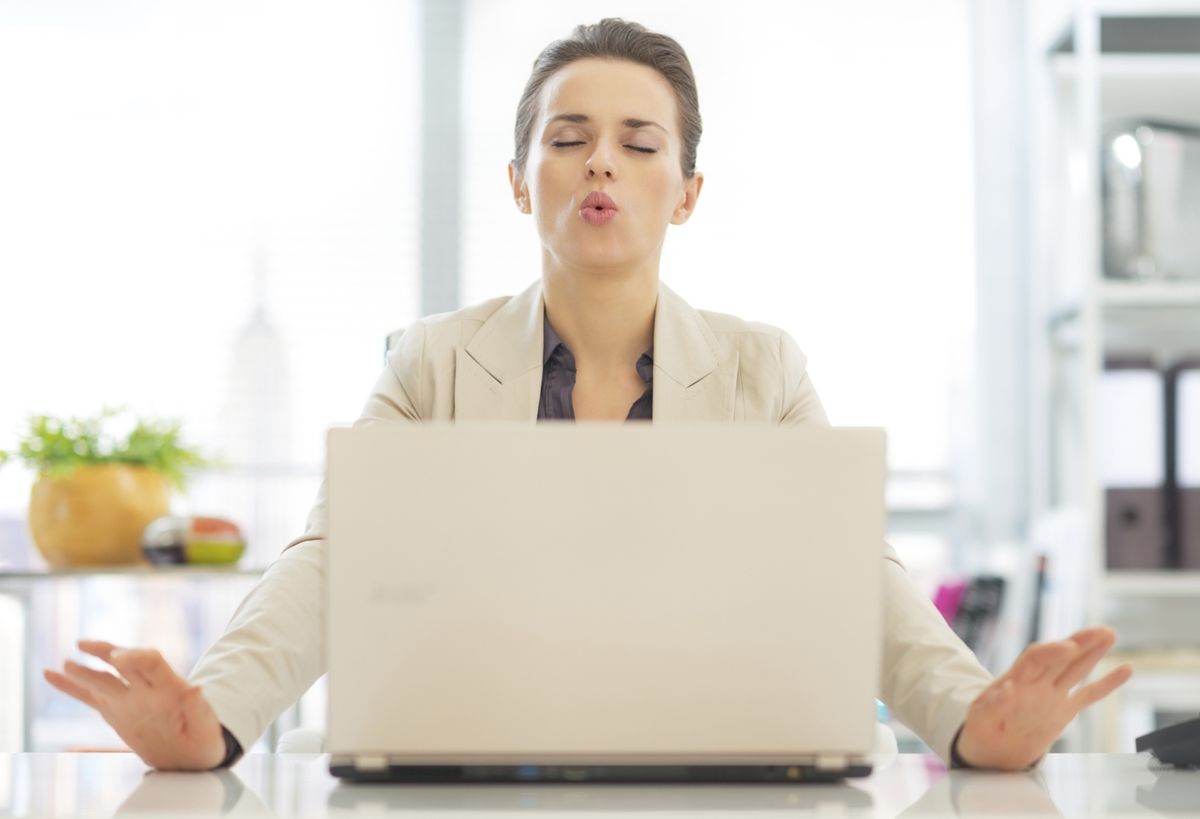 N
N
The word Stress is used to describe both external events that make demand on us and the internal responses they trigger. In fact, stress is the body’s general response to any demand made on it, regardless of whether that demand is pleasant or unpleasant, or whether it is emotional or physical.
All of us need some amount of challenge in our daily life to keep ourselves stimulated and lead our lives to the fullest. Damaging stress occurs when challenges becoming impossible to cope with the effect of excessive stress can manifest itself in a variety of ways; it can cause potentially harmful changes in the behavior and undermine both physical and mental health.
The way in which damaging stress manifests itself in the body varies from one individual to another. Besides one of the importance aspect of dealing with stress is knowing the way in which your body responds to the challenges that are too severe. These reactions are automatic and subconscious and might range from being irritable to overeating, breaking out in lives, developing a migraine headache or having heartburn. However once you understand stresses operating in your life, you can begin to cope with them. Slowly you will realize with practice that it is possible to control stress-related symptoms in a varied number of weeks.
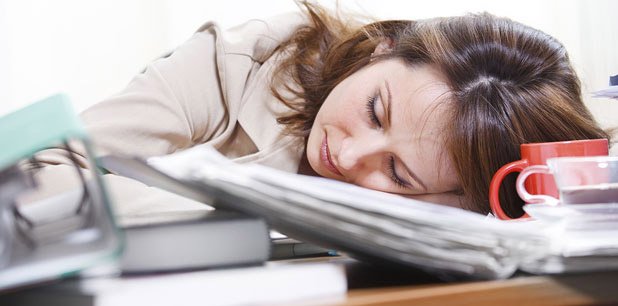
When our body is subjected to stress over a long period of time, it remains in a prolonged state of preparedness for flight or fight. Blood pressure is permanently raised, continuing muscle tension leads to digestive problem, pains and aches and the body’s resistance to disease remains suppressed.
CAUSES OF STRESS
- Stress is nothing new, but the 20th century has produced many changes that have increased the amount of stress people experience.
- Any changes that upsets your accustomed pattern of life can cause stress.
- Advances in technology have increased the pressure on everyone. In the age of speed and instantaneous world wide communication, there is greater need of quick responses that in the past.
- More decision have to be made nowadays. The average person has a high degree of responsibility and accountability.
- You have a wider range of choices at all levels of life, in work and in leisure.
- Overcrowding, noise and pollution have resulted from an increase in population.
- People have come to demand a higher quality of communication and understanding in all their relationships.
- Technology has affected work, leisure, and social relationships. Human contacts is decreasing as a result.
PHYSICAL SYMPTOMS OF STRESS
Do you recognize two or more of the following in yourself or some one close to you? If so, the problem needs to be tackled immediately :
- Have your eating habits changed?
- Has your sleep pattern altered?
- Is your digestive system upset?
- Have you developed any nervous habits, such as fidgeting or touching your hair and face repeatedly?
- Is your blood pressure raised?
- Do you have frequent headaches, cramps, and muscle spasms?
- Have you become hyperactive?
- Have your sexual performance, drive, and enjoyment deteriorated?
- Are you drinking or smoking more?
- Has your child reverted to an earlier, outgrown habit, such as bedwetting, temper tantrums, or thumb sucking?
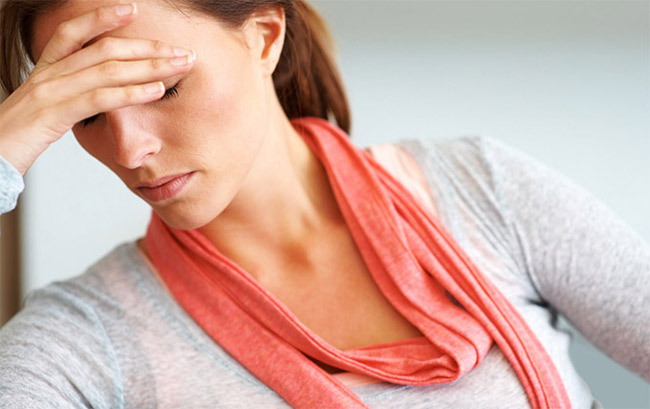
MENTAL SYMPTOMS OF STRESS
Do you recognize two or more of the following in yourself or in someone close to you? If so, stress might be reaching a potentially dangerous level. Remember, however, that these can also be symptoms of other problems, such as physical illness.
- Have you begun to suffer from a phobia or obsession?
- Have you lost self-confidence and sell-esteem?
- Do you constantly feel guilty?
- Do you dread the future?
- Have your memory and concentration deteriorated?
- Do you find yourself unable to finish one task properly before having to rush on to the next?
- Do you feel constantly irritable and angry?
- Do you fill the day with trivial tasks?
- Do you find it hard to make decisions?
- Do you often cry or feel like crying?
- Does your mind race so that you cannot focus on one task or thought?
THE NATURAL REACTION TO STRESS
When confronted by acute physical or psychological stress, the brain triggers a chain reaction that prepares the body to fight the perceived threat or to flee from it. Though essential to survival in life-threatening situations and often useful when dealing with challenges such as deadlines at work, the fight-or-flight response is less appropriate for dealing with more routine stresses. If triggered often enough, it can lead to serious health problems. These are some of the effects:
- The brain perceives some form of impending danger.
- Signals from the brain cause the adrenal glands to produce fight-or-flight hormones such as adrenaline and nor-adrenaline, which speed up heart and breathing rates and muscle response.
- Kidney function is reduced as less blood is available to the kidneys.
- Muscle fibers contract to prepare for sudden movement.
- The pupils of the eyes dilate.
- The salivary glands stop secreting saliva and the mouth feels dry.
- Skin becomes pale as surface blood vessels contract to direct more blood to muscles.
- Sweat production increases in order to counteract overheating.
- Heart rate increases to supply more blood to muscles
- Blood pressure rises.
- Breathing rate increases to supply more oxygen to muscles.
- The liver increases its output of sugar and fat to fuel the muscles.
- Digestion slows or ceases.
- Tightened muscles stop urination and defecation.

WAYS OF HANDLING STRESS
Women fitness has underlined some of simple and effective ways of handling stress:
- Live “in the moment”: Stress experts advice that we should start by learning to live “in the moment” that is being aware of and improving our state of mind in the present. It has been observed that all feelings of anxiety are directed at past or future events, but by making the best of the moment it can help us to feel better mentally, emotionally, as well as physically.
Controlling your breathing patterns: Breathing patterns are directly related to the stress response and can both be indicate and influence your emotional state. Emotional stress leads to shallow breathing from the chest, which makes anxiety worse and reduce your energy level. In order to ensure correct exchange of Oxygen and Carbon dioxide in the lungs you need to learn to breathe more deeply – and to use the diaphragm instead of the chest muscles.
To practice diaphragmatic breathing, lie flat with one hand on your chest and one on your abdomen. Breathe slowly through your nose, keeping your mouth closed. As you inhale, allow air to push your abdomen up so that your hand rises. Hold in breath for a couple of seconds, and as you exhale feel your abdomen deflate and your hand falls. Repeat a few times.
- Learning to relax: Relaxation helps reduce stress by distracting your mind from stress provoking thoughts. Besides various relaxation techniques help to counter effects of ‘fight or flight’ reaction. There are two main techniques and both are easily learned. Practice them either lying down or sitting a straight backed chair, with your feet flat and your hands relaxing on your laps. Spend 15 min on each – preferably after work or just before going to bed.
- Progressive Muscular Relaxation (PMR) – close your eyes and direct your attention to each part of your body in turn. As you do so, tense the muscle of the area and hold for 5 sec, then release and totally relax the muscles. Concentrate on the sensation of warmth and heaviness you will experience for about 10 sec.
- Deep Muscular Relaxation (DMR) – Use the same routine as for PMR, but without tensing. Focus only on relaxing by directing your attention to each set of muscles in turn, feeling them become weak and heavy.
- Meditation: Meditation techniques allow us to achieve a deep state of calmness and serenity while remaining alert. It also causes the oxygen requirement, breathing rate, heart rate and blood pressureto drop and help muscles to relax. There are different techniques including so-called ‘Mindfulness’ Meditation and Visualization. For example imagine a pleasant, peaceful scene, such as sunny, deserted beach. Close your eyes and concentrate on all the color, smell and sounds. Put yourself in the picture in a relaxed position. Continue Imagining for 10-15 min. If practiced regularly, it can also lead to a more relaxed general view of life.

- Exercise, balanced diet and regular sleep pattern can play an enormous part in reducing stress, as well as help in maintaining body fitness. A number of times aches and pain complained in the neck,shoulder and back are a result of poor posture and mental tension. Performing some stretching exercises or regular exercise pattern can help you combat stress. Check out stretching exercises at WF Flexibility exercises for reliving stress. Similarly a healthy balanced diet based on cereals, fruits and vegetables can help provide body with all the essential nutrients necessary for survival. Deficiency of various vitamins and mineral can exhibit a number of symptoms which might lead to mental and physical stress. Make sure that you regularly do things just for fun. It might be as simple as taking a walk in a park, going to movies, or even doing something you would normally Consider as childish, such as jumping into a pile of fallen leaves or splashing in puddles.
Laughter is a great antidote for stress and if you can laugh, those around your will also feel less stress when they are in your company. Although no single activity is a guaranteed to remove all stress if you do nothing, your stress will certainly persist and probably increase. - Self talk : Watch your children carrying out tasks such as tying their shoe-laces, you will see that they talk themselves through the action. Without this chatter, the task is difficult to learn and perform. Recent studies have suggested that this approach is also useful to adults, especially when they switch from negative to positive talk.
As you talk to yourself, use the examples given opposite to help You. Be sure to concentrate on the positive aspects of the problem or solution.
- Letting off steam is another good way of relieving stress or tension. It is best to express your frustration or anger when it occurs, if you always bottle things up, you are more likely to suffer from physical illness associated with stress or to explode with pent-up rage. If you want to yell to let off steam, go somewhere such as a basement or a garden, where you cannot easily disturb others.
- Change of routine : Breaking routine helps to remove the stress that is bound into your personal rituals. Pick up a small gift for yourself or a loved one on the way. And when you arrive, don’t always do the same thing. If you usually sit down in front of the TV with a drink, try doing 10 min exerciseand taking a shower first. Similarly, on weekends it is just as important to vary your activities as much as you can.
- Change your response: One of the best , but most difficult, stress relieving strategy is to change your response to the event around you. You are the only person who can improve your attitude and performance. There is no sense in blaming other people or past events for everything that goes wrong. You might get sympathy, but you will not achieve the results you want.
- Identify the myths and accept the realities of life: Stress is invariably the consequence of myths. You are bound to be disappointed if you always expect life to be just to you. Besides a lot of time will be dealt in seeking non existent answers if you look for clear cut Solutions to problems. Learn to identify the myths and accept realities of life.
First ask yourself what your own ‘should’ or ‘must’s’ really are and write them down. Then challenge your own expectations asking yourself. ‘Why do I believe that? Is it possible to live up to this rule? What will happen if I don’t?’
CONCLUSION
Once your stress-inducing problems have been clearly identified. You can think out on a wide range of possible solutions, rejecting those that you know from experience do not work. Focus on the quality of the effort involved rather than the amount of the solution.
If you regard happiness as coming from outside, you will waste a lot of time chasing it, because all the evidence suggest that happiness comes from within yourself. The same lies true with all other aspects of your life physical, mental, social and emotional life.
Disclaimer
The Content is not intended to be a substitute for professional medical advice, diagnosis, or treatment. Always seek the advice of your physician or other qualified health provider with any questions you may have regarding a medical condition.