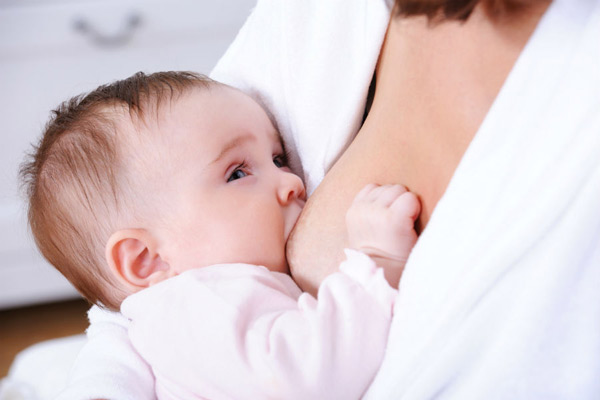
A large study of mothers and children carried out in Zimbabwe lends further support to the view that it is probably better for mothers with HIV infection to breastfeed exclusively rather than engage in mixed feeding, as children exposed to a mixture of breastfeeding and other forms of feeding are more than four times as likely to have become infected with HIV at the age of six months when compared to infants exclusively breastfed.
Can HIV mothers breast feed ?
The safest way to breastfeed in the first six months is to do so exclusively, without adding any other foods or fluids to the infant’s diet. Such additions are not needed and may cause gut infections that could increase the risk of HIV transmission. Early introduction of non-human milks and solid foods should be strongly discouraged because it increases the risk of HIV infection for babies of HIV-positive women and the risk of diarrhea and respiratory infections for all babies.

HIV passes via breastfeeding to about 14 percent of infants born to HIV-infected women. This rate of transmission is thought to be influenced by breastfeeding patterns, maternal viremia, malaria and timing of the infection. |
There is evidence that the risk of transmission continues as long as the infant is breastfed. The risk of death due to replacement feeding is greatest in the first few months and becomes lower later on. Some mothers may choose to stop breastfeeding early and introduce breast milk substitutes as soon as an available replacement method becomes safer. The optimal time for introducing substitutes is not known and varies with the situation.
Why is Mothers’ Milk recommended ?
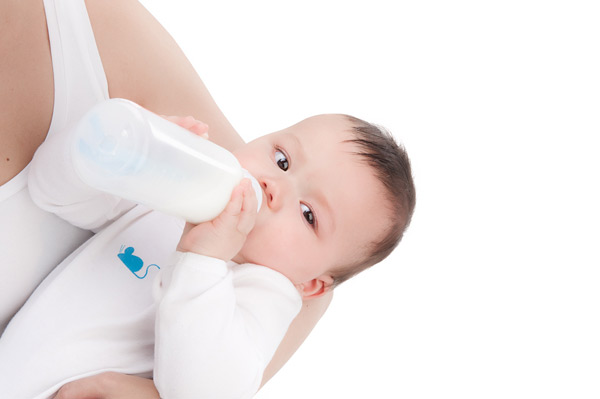
- Firstly, alternatives to breastfeeding are often neither affordable nor safe. In many countries, where the cost of locally available formula exceeds the average household’s income, families cannot buy sufficient supplies of breast milk substitutes, leading to over dilution, underfeeding or substitution with dangerous alternatives. Even non-milk liquids like water or juice are likely to increase the risk of HIV transmission
- Secondly, artificial feeding roughly triples the risk of infant death in environments, where most infants’ deaths are due to infectious diseases such as diarrhea and pneumonia, where hygiene and sanitation are often poor and where access to adequate health care is limited.
- Lastly, researches show that breastfeeding appears to slow the progression of the disease . A study of both HIV-positive and HIV-negative mothers identified a factor in human milk that inhibits the binding of HIV to specific receptor sites on human T-cells in the laboratory, thus potentially inhibiting the virus from taking hold in the baby.
However, the best way to protect children from HIV is to help women avoid HIV infection.
Disclaimer
The Content is not intended to be a substitute for professional medical advice, diagnosis, or treatment. Always seek the advice of your physician or other qualified health provider with any questions you may have regarding a medical condition.