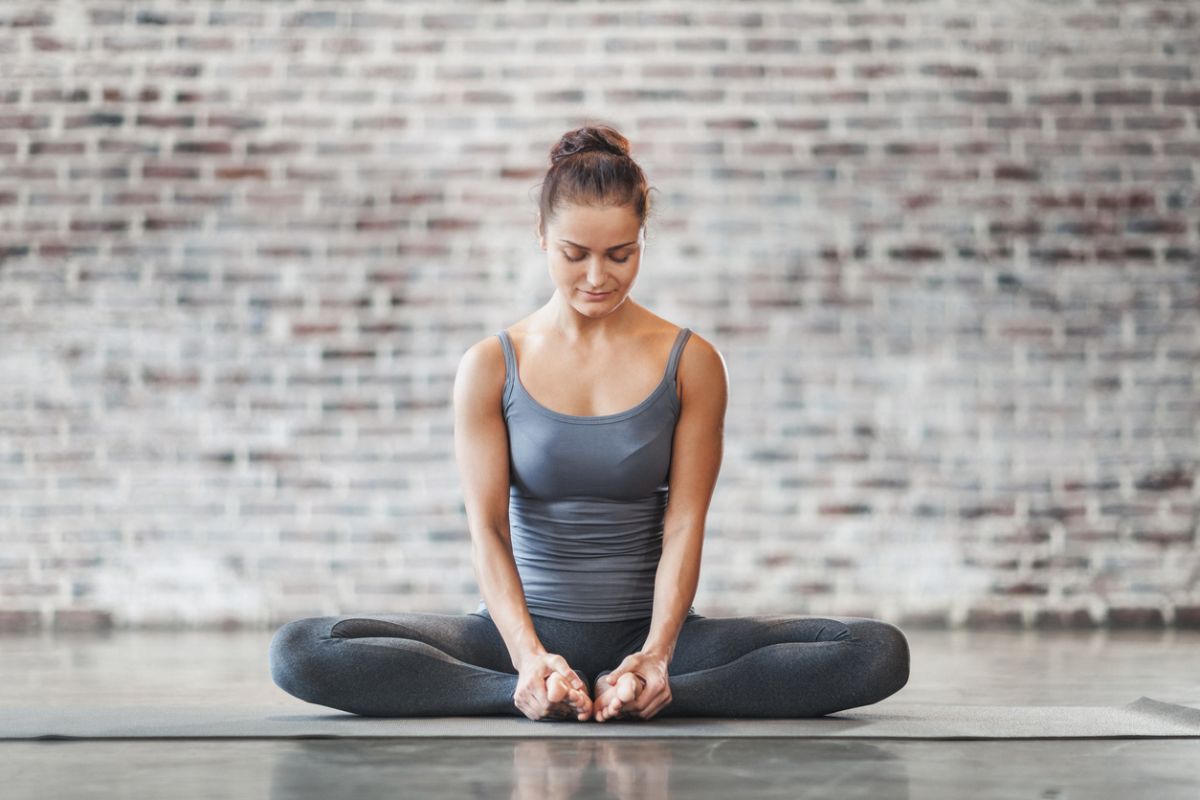
The seated asanas provide us with the chance to take the body alignment and balance created in the standing sequence into a broader range of postures. The heat that has been generated will enable deep stretching , and the vinyasas between each side of each pose and each yoga Seated asana will help to maintain this internal heat.
The following seated postures, which form the central part of the primary series, purify the internal organs (including theheart) and the muscles while deeply articulating the joints of the body. They release physical, mental and emotional tensions and unlock energy to create physical strength, suppleness and openness of mind. Tightness and rigidity on all levels are challenged.
Focusing on the fullness of each breathe will help you to move through these asanas and , as you do so, listen to all that arises within your mind and heart. In this way, we begin to cleanse the body and free the mind from past experiences, letting the breath wash through, bringing in new energy with each in-breath and releasing old energy with each out-breath.
By practicing these asanas, a calmness of mind is brought about, an openness of heart and body is rediscovered and a secure connection with the ground is achieved.
Dandasana / Staff Posture
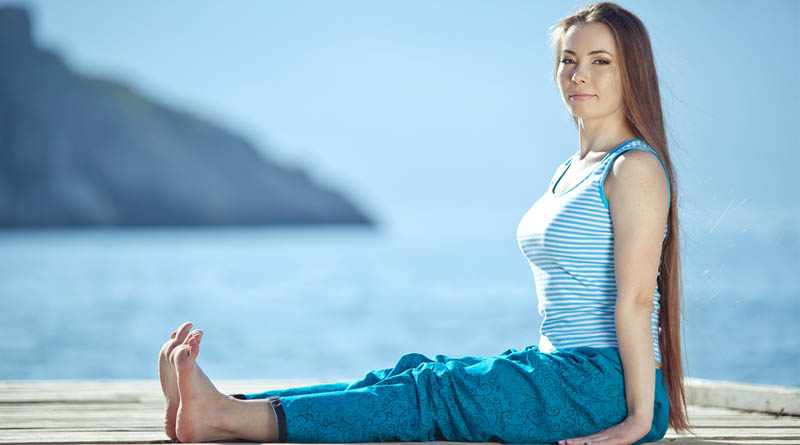
This is the foundation from which all other seated asanas stem. Dandasana teaches us to sit is stillness. The subtle motion of breath flows through the Limbs to bring this posture alive, activating and exercising every muscle of the body.
- Inhale, anchor your sitting bones into the floor, then lengthen from your lower spine to the crown of your head. Gently press your palms down and feel your shoulders descend. Lift your chest, keeping the back of your neck long, and open your collarbones. Focus on your nose tip, dristi: nasagrai, while fully engaging your bandhas to stretch your abdomen up. Press your legs away and draw the front thigh muscles upwards to your hips. Feel the backs of your legs long and open against the floor. Take five to ten breaths, then move into the next posture.
- Easing into the pose- If you have tight hamstring muscles or any stiffness or injury in your back, practice this posture sitting on a yoga block or firm cushion to provide extra lift and support for your lower back.
- Deepening the pose- As your back gains strength, release your hands from the floor and bring them together in front of the chest in Namaste (prayer position). Maintain the lift through the entire length of your spine.
- Jump Back into Full Vinyasa or Half Vinyasa- The full vinyasa between each completed posture and the half vinyasa between each side of the posture are essential for maintaining the internal heat of the body, which allows the muscles and joints to be deeply stretched and opened safely. The jump back cultivates co-ordination between the body and mind, and develops upper body strength.
Lolasana
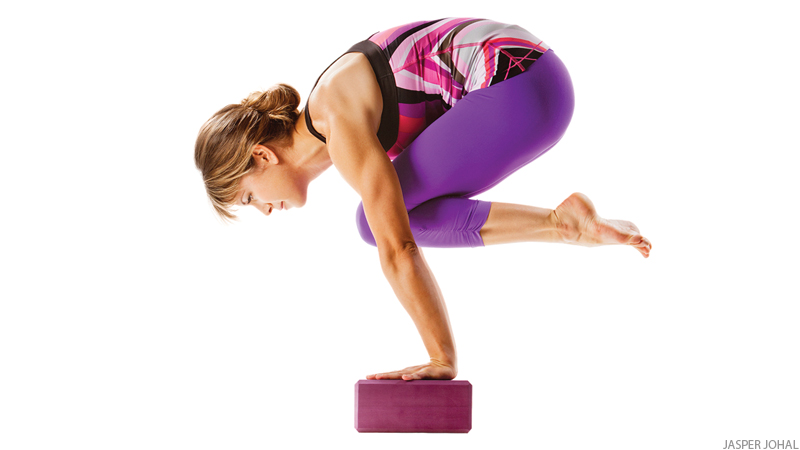
- From Dandasana (staff posture), cross your ankles and exhale, placing your palms down on the floor by the sides of your hips. Deepen uddiyana bandha to prepare for the next step, and shift your shoulders forwards over your wrists.
- Inhale and press your hands strongly into the floor. Use the power and strength of uddiyana bandha to curl the front of your torso up slightly. Press through your arms into your palms and raise your buttocks and feet off the floor into Lolasana (tremulous posture).
- Continue to inhale and without touching the floor, swing your feet back and your head and chest forwards into advanced Lolasana (tremulous posture) moving your shoulders forwards of your wrists right over your fingertips.
Balasana/Child posture
Child pose calms the body, mind and spirit and stimulates the third eye point. Child pose gently stretches the low back, massages and tones the abdominal organs, and stimulates digestion and elimination.
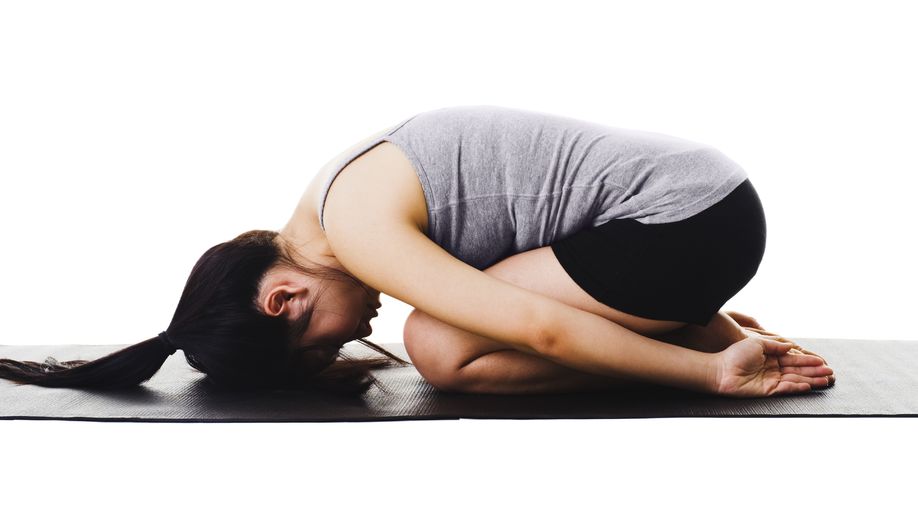
- From Table pose, exhale and lower the hips to the heels and forehead to the floor. Have the knees together or if more comfortable, spread the knees slightly apart.
- The arms can be overhead with the palms on the floor, the palms or fists can be stacked under the forehead, or the arms can be along side the body with the palms up.
- Breathe slowly and deeply, actively pressing the belly against the thighs on the inhale.
- Breathe and hold for 4-12 breaths.
- To release: place the palms under the shoulders and slowly inhale up to a seated position.
Purvottanasana / Stretch of the east posture
In this posture the front of the body is lengthened and stretched open, lifting the heart above the level of the spine. This increases the blood flow to the brain, refreshing and revitalizing body and mind.
- From Dandasana, exhale and step your hands back behind your hips, planting your palms into the floor with your fingers pointing inwards towards your buttocks.
- Draw the back of your waist up and in, while strongly lifting your chest up to your chin and rolling your shoulders back. Stretch your legs long, extending out to your toes.
- Inhale and press your hands deeper into the floor, propelling your hips upwards as you extend your toes and the balls of your feet downwards. Raise your heart higher and release your neck, allowing your head to drop softly back. Stretch your legs long and together, keeping them active and rooting your big-toe joints down. Take five to ten breathes, expanding your chest and focusing towards your nose tip, dristi: nasagrai. Exhale, lower your buttocks to the floor and lift your head up, returning to Dandasana.
- Inhale, press your hands into the floor, tuck your knees up, crossing your ankles, and lift your hips off the floor to swing your feet back into a full vinyasa. Flow through the vinyasa and then softly jump through and return to Dandasana.
- Deepening the pose-Make sure your hands are placed shoulder-width apart and spread your fingers open. Work the rotation in your shoulders and broaden across your chest. Lift your tailbone in and up towards your public bone and feel your spine pressing up into the front of your torso.
- Easing into the pose-If at first you can’t get a good lift bend your knees and step your feet apart, both flat on the floor. From here, raise your pelvis and create a parallel line to the floor with your torso.
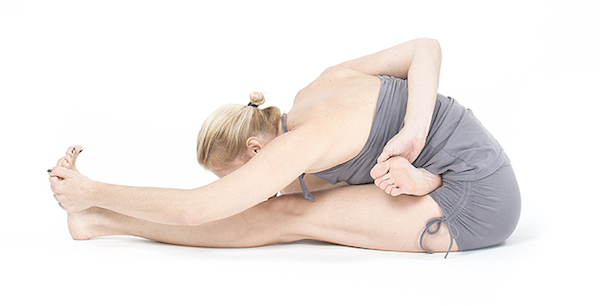
Ardha Baddha Padma Paschimottanasana / Half bound Lotus intense stretch of the west posture
The full folding of one leg at a time opens the knee joints, preparing them for Padmasana (lotus posture), which forms part of the seated sequence. This posture massages the abdominal organs, improving both digestion and elimination.
- From landing in Dandasana from your full vinyasa, continue to inhale, folding your right knee and using your hands to draw your right foot up and on to your left upper thigh. Place the little-toe edge of your foot into the crease of your left hip socket. Align your heel just above your pubic bone and move your right knee towards and in, to create a 45-degree angle with your left leg. Keeps your left leg actively lengthening out through its heel, as your right leg is now in Ardha Padma (half lotus).
- Towards the end of your inhalation, stretch your right arm behind your back and catch hold of your right big toe with the first two fingers of your right hand. Extend your left hand to hold your left foot and lengthen your spine.
- Exhale slowly and lengthen your back forwards out from your hips, moving your chest towards your left knee and your chin towards your left shin. Softly bend your left elbow wide to the side, drawing your abdomen long over your right heel, and breathe five to ten long, even breaths while sending energy and focus out to your extended foot. dristi: padhayoragrai. Inhale, lift your chest up, exhale and release the bind of your hands from your feet and stretch your right leg forwards into Dandasana.
- Inhale, press your hands into the floor, tuck your knees up, crossing your ankles, and lift your hips off the floor to move into a half vinyasa. Return to Dandasana. Repeat this posture, this time folding your left leg into half lotus. After five to ten breaths, take a full vinyasa and jump through to Dandasana.
- Deepening the pose-Soften the skin over your bent knee to allow the joint to fully bend. Now gently press your knee downwards to further the rotation of your leg and the opening in your hip. Move your lower abdomen forwards and down on the lotus heel (of your bent leg) to stimulate the abdominal organs.
- Easing into the pose-If strain is felt in your knees, do not force the posture. Instead, either remain upright and work on relaxing your hips to allow the knee to release and drop closer to the floor, or take your foot to the ground and softly extend your body forwards from here. Use a strap in either of these positions if you are not yet able to reach hold of your foot.
Triang Mukhaikapada Paschimottanasana / Three Limbs Face one leg intense stretch of the west posture
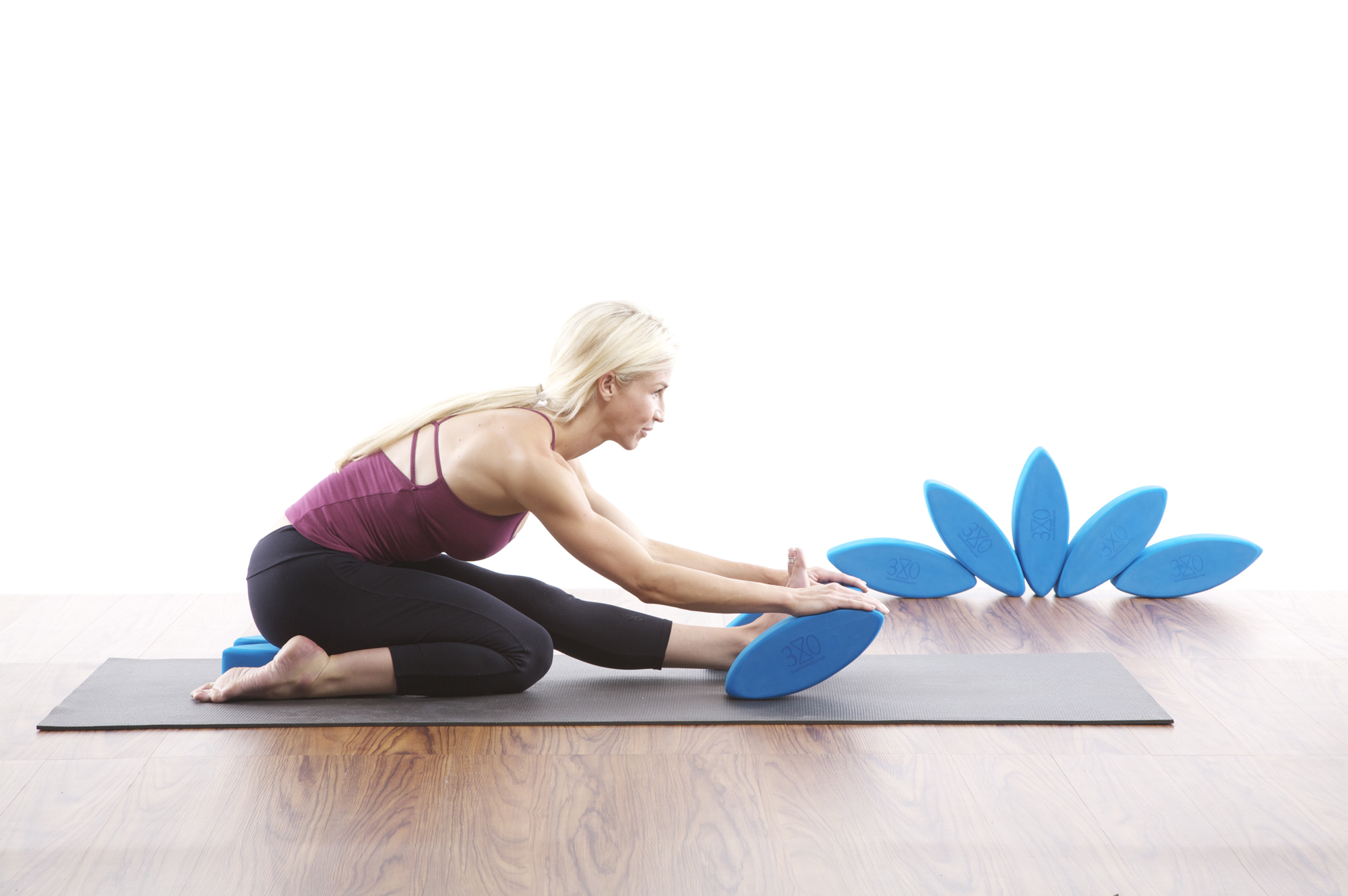
The three “limbs” referred to are the feet (stretching forwards and backwards), the knees (which are opened) and the buttocks (which are drawn wide as the back extends forwards). This posture also provides a counter-stretch to the previous half lotus.
- From landing in Dandasana from your full vinyasa, continue to inhale and bend your right knee, taking your right foot back. Place your heel against your right hip, with the front of your right foot, ankle and shinbone pressing on the floor. Join your knees together and root down evenly into both sitting bones, pressing both buttocks firmly down.
- At the end of your inhalation, open your chest wide, extend your back long and tilt your pelvis forwards, stretching your arms out and catching hold of your left foot with both your hands.
- Exhale and fold more deeply from your hips, sending your pubic bone back and down and lengthening your torso out and over your left leg. Stretch along your spine and draw the top of your head towards your toes, bending your elbows outwards. Sink your right buttock and hip downwards to maintain an even base for this posture. Take five to ten breaths and focus on sending energy out to your extended foot, dristi: padhayoragrai. Inhale, maintaining the hold of your foot, and draw your chest up, rolling your shoulders back. Exhale, release your hands from your foot and bring your body upright, extending your right leg forwards into Dandasana.
- Inhale, press your hands into the floor, tuck your knees up, crossing your ankles, and lift your hips off the floor to swing your feet back. Move smoothly through a half vinyasa and then jump through, landing gently and Dandasana. Repeat this posture, this time bending your left leg. After five to ten breaths, take a full vinyasa and jump through to land softly in Dandasana.
- Benefits of the pose-Triang Mukhaikapada Paschimottanasana is particularly helpful for releasing tightness in the back of the pelvis. It also opens the sacrum area to stimulate and improve circulation throughout the nerves (especially the sciatic nerve) of the spine and the muscles of the back.
- Easing into the pose-Always be aware of pain in the knees, as this may be an indication of working too deeply too quickly. If this is the case, place a firm cushion, folded blanket or yoga block under the buttock of your straight leg. This will not only help to protect the knee but will also assist in rooting both buttocks squarely. Again, with this pose use a strap to catch your foot if you tend to bend your leg or hunch your back in order to hold it with your hands.
- Deepening the pose-To deepen the openness across your sacrum, roll your inner thighs together and downwards; this will also develop the full range of leg rotation. As you do this, be sure to engage uddiyana bandha to support your lower spine.
Janu Sirsasana / Knee Head Posture
This posture provides the foundation of the following two variations and continues to open the pelvis and develop the suppleness and freedom of the hips and knees. It balances and tones the liver and spleen, so improving the digestive system.
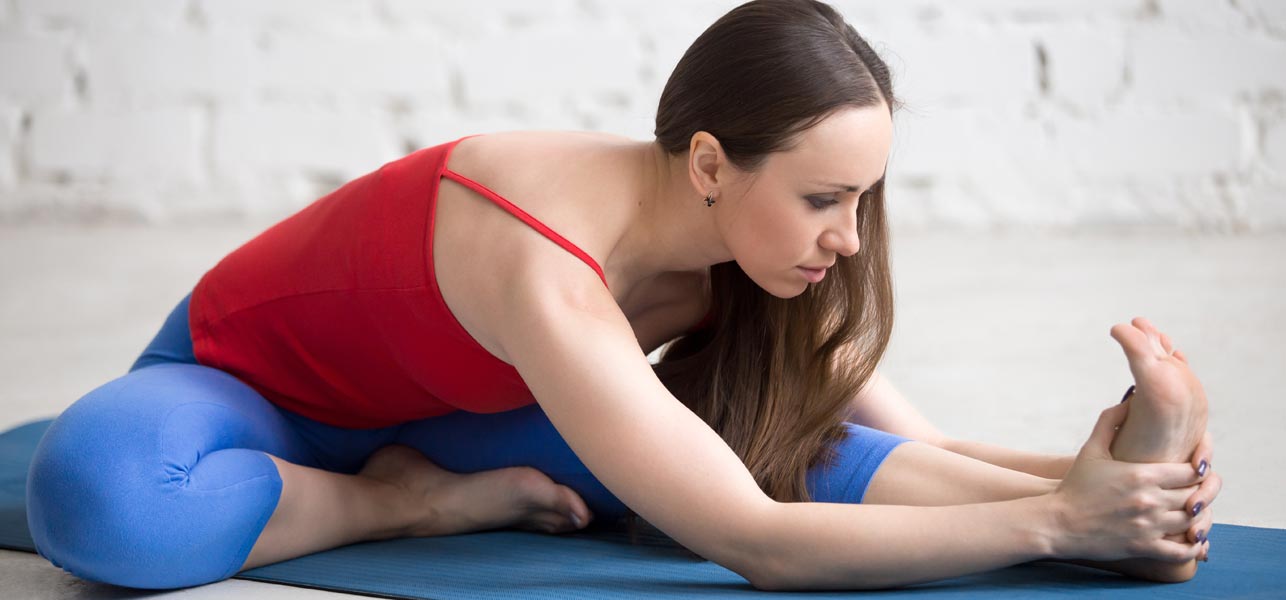
- From landing in Dandasana out of your full vinyasa, continue to inhale and bend your right knee back in line with, or slightly behind, your right shoulder (at 90-95 degrees to your left leg). Place your right heel so that it touches its own inner upper thigh, as this will ensure a full opening in your right hip. Square your body to face your left leg, with your navel in line with your left knee.
- At the end of your inhalation, extend your back forwards from your pelvis and reach your hands out to catch hold of your left foot, keeping your collarbones open and your shoulders relaxed.
- Exhale and deepen the fold at the level of your hips, extending your torso out over your left leg. Gently press your right knee and outer thigh down on to the floor, and stretch your left heel away to lengthen through your left leg. Draw your shoulders away from your hands, and softly bend your elbows wide, pressing your chest forwards to your left knee. Take five to ten even breaths and direct focus and energy out to your extended foot, dristi: padhayoragrai. Inhale, maintaining hold of your foot, straighten your arms and draw your chest up, drawing your shoulders back and down. Exhale, release the hold of your foot and bring your torso upright, extending your right leg forwards into Dandasana.
- Inhale, press your hands into the floor, tuck your knees up. Crossing your ankles, and lift your hips off the floor. Move smoothly through a half vinyasa and jump through, landing gently in Dandasana. Repeat this posture, this time bending your left leg. After five to ten breaths, take a full vinyasa and jump through into Dandasana.
- Easing into the pose-It is better to work initially with a strap to link your hands to your foot if you feel that you are not yet able to hold your toes with a straight back and leg. Using a strap will help to prevent you from straining your shoulders and rounding your back.
- Deepening the pose-Focus on both sides of your torso being level so that your back expands open and receives an even stretch. This will help to balance the kidneys and the muscle flexibility of the back. With each exhalation, yield the open expanse of your back to gravity.
Advantages of performing the Seated Yoga Mudra. Some important advantages obtained from the Yoga Mudra are:
- It helps in stretching the shoulders and upper back and neck bones.
- It can help in digestion by relaxing the stomach.
- It aids the excretion process during constipation as it stimulates the abdomen.
- It connects your heart and mind, thus increasing your awareness of your feelings.
- The stretching of the arms improves the circulation of blood in this area.
- It helps to straighten rounded back and shoulder bones.