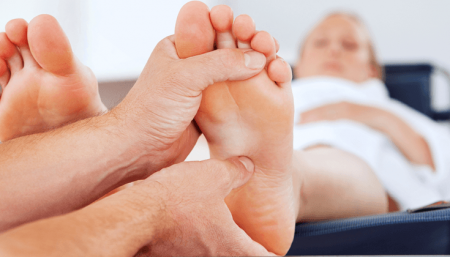
The oldest of the “hands on” therapies, from which every other branch of physical therapy has evolved, massage probably first developed out of out instinctive response to soothe aches and pains by rubbing the affected area.
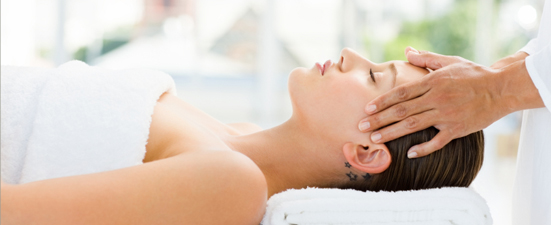
Massage therapy can be divided into two main categories. The first is the holistic or “intuitive” form of massage, which aims to treat the whole person. It tends to be slower, more rhythmical and relaxing, with a greater emphasis on the tactile communication between the therapist and the person who is being massaged. One example of the holistic approach can be found in traditional Indonesian massage with aromatic oils. The second type of massage is more Western in character and concentrates on treating specific conditions or parts of the body. The Swedish massage system, which was first developed in the early 19th century by the Scandinavian practitioner Professor Peter Henrik Ling, is one example. Another example is Hellerwork, which is an intense form of massage that is designed to improve posture; this technique also has a strong psychological dimension.
Some Benefits Of Massage:
The following are some of the beneficial results that you can receive from massage treatments
- Improve circulation- Increase blood circulation and the flow of tissue fluid (lymph)
- Improve lymphatic drainage
- Help breathing – Stimulate breathing Assist the flow of nutrients & oxygen to tissues
- Lower the heart and pulse rate
- Detoxify the body systems Hasten excretion or waste products
- Assist weight loss
- Nourish the skin (with the right oils) Promote nourishment, repair and renewal of body cells
- Assist in removal of deposits of tissue
- Stimulate activity in skin and its glands
- Improve muscle tone Induce muscle tone
- Soothe and relax nerves
- Relieve Stress
- Release emotional tension
- Relieve pain in certain conditions
- Relax mind and body deeply
- Give pleasure
- Create a feeling of well-being.
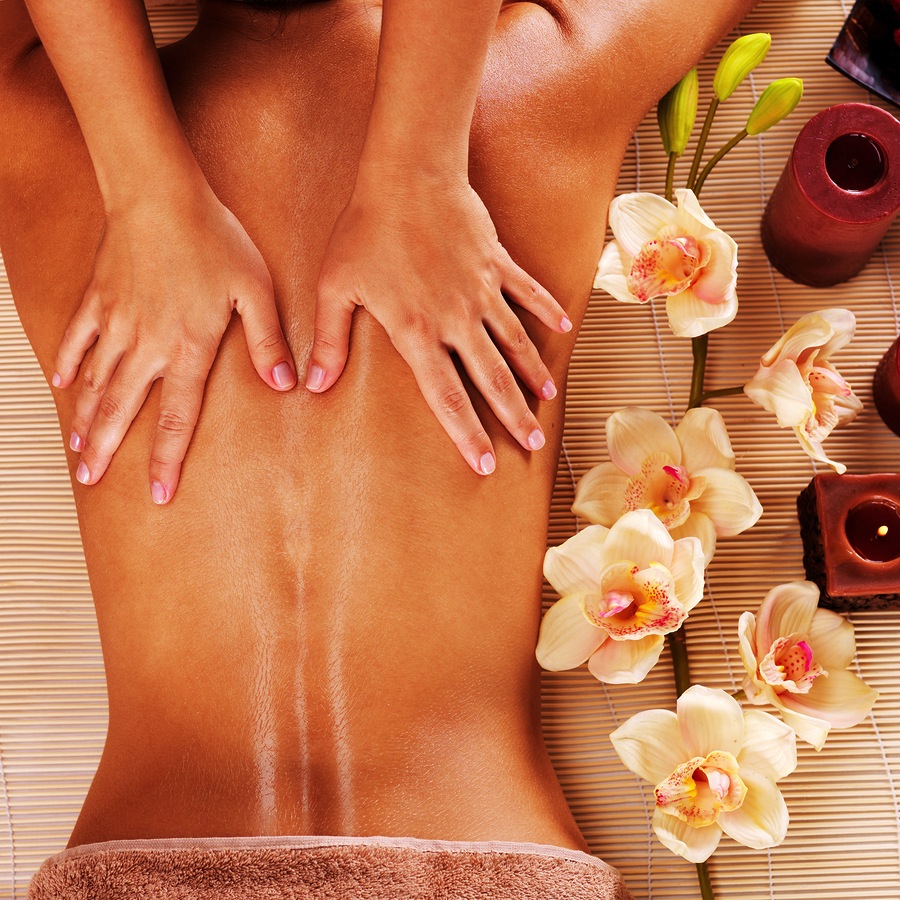 THE HANDS-THE TOOLS OF THERAPY
Fingers The “flat” of the fingers and the finger tips are used in light, sensuous strokes such as feathering and can work at a deeper level too, as in petrissage.
Thumbs The strength and size of the thumbs make them ideal for working on small areas of tense tissue. The thumbs are also involved in grasping strokes, such as kneading.
Palms The palms are used in gentle stroking and gliding movements, such as effleurage, and to grasp and hold various areas of the body.
Heel of the hand This part of the hand helps in stretching and manipulating tissue. The heel can also be useful for working on deeper tissue levels
THE BEST TECHNIQUE FOR YOU
The type of massage therapy that is best for you depends, to a great extent, on what you want from it. If your are looking for relaxation and a release from stress, the more gentle, holistic forms of massage are likely to be appropriate. If you have a musculoskeletal injury or postural problem, the Swedish approach or a sports massage would probably be of greater benefit. However, many massage practitioners can offer either approach.
It is important that you feel a rapport with your massage therapist. If not, it is unlikely that you will relax enough to enjoy the experience.
WHEN TO AVOID MASSAGE
If you have any doubts about the state of your health and whether you will benefit from massage, you should, of course, consult your doctor. Massage for people with cancer or serious psychiatric illness requires particular expertise and, in many cases, could be inadvisable. Professional advice is important if you are pregnant or if you have any of the conditions listed below:
- cancer
- psychiatric illness
- epilepsy
- HIV or AIDS
- severe back pain or injury
- skin infections, inflammations, bruising or recent scar tissue
- fever
- varicose veins, phlebitis or thrombosis
- undiagnosed lumps or bumps.
THE DIFFERENT STROKES
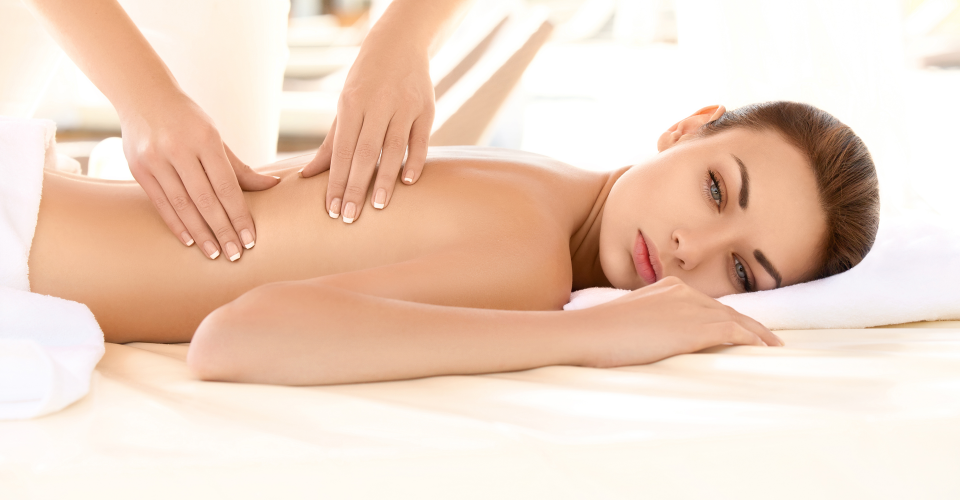
Massage uses a variety of strokes. Some therapists like to start with the back and work from head to toe before doing the same on your front. Others work from the extremities towards the heart. The massage therapist may use a pure vegetable oil or baby oil to help his hands slide over your skin, enabling the strokes to be performed more smoothly.
THE DIFFERENT TECHNIQUES
Effleurage This technique uses the flat of the hand in long, slow, flowing strokes. It is a relaxing stroke, which can be used at any time in the massage and after all deeper strokes.
Knuckling A type of friction stroke, knuckling is performed with the hand curled into a loose first, moving in small circling strokes. It is often used on the shoulders and chest.
Kneading A stimulating and invigorating action in which both hands alternately grasp and release the flesh, kneading aids the elimination of wastes, improves the elasticity of connective tissues and helps break down fatty tissue. It is used on soft, well-padded areas such as at the waist, the thighs and the bottom.
Skin rolling This technique involves kneading the flesh to stimulate the circulation. Using the thumbs and index fingers, the skin a picked up, rolled and released.
Hacking This percussion technique involves rapidly and vigorously striking a part of the body with the sides of the hands to increase circulation and tone up muscles. The fingers should be relaxed. These strokes are energizing instead of relaxing. Hacking should not be used on bony areas or on broken veins or bruises.
Cupping A type of percussion stroke, cupping is performed with the hands – as the name suggests – in a cup shape. The hands are alternately moved up and down rapidly, with the fingertips and the heel of the hand contacting the skin. The stroke is suitable for a fleshy area without broken veins of bruises.
Regular massage can have the effect of strengthening and toning the entire body mechanism, and so help to prevent unnecessary strains and injuries that might otherwise occur due to excess tension and any resulting structural weaknesses. Massage can stimulate or calm the nervous system-depending upon what is required by the individual-and thus help reduce fatigue, leaving the receiver with a feeling of replenished energy. At its best, massage has the potential to restore the individual physically, mentally and spiritually.
Related Links
Disclaimer
The Content is not intended to be a substitute for professional medical advice, diagnosis, or treatment. Always seek the advice of your physician or other qualified health provider with any questions you may have regarding a medical condition.