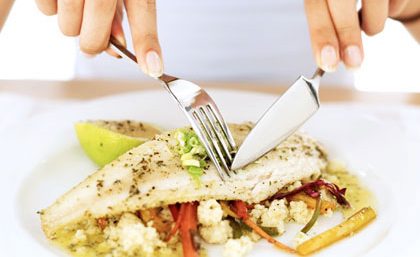
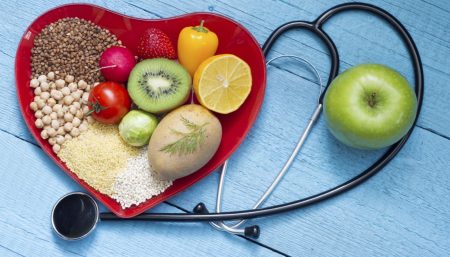
Recently, studies have shown that pregnant women who have high blood cholesterol are at risk of developing pre-eclampsia, a life-threatening condition where the pregnant woman’s blood pressure becomes dangerously high that is directly correlated to pregnancy and high cholesterol. These cholesterol side effects if not brought under control can lead to seizures that will endanger the life of the mother and the unborn baby.
During pregnancy, most doctors recommend that only diet and exercise be used to control cholesterol.
This is generally okay, because
- pregnant women are usually young, and high cholesterol leads to problems in middle age and old age (so no immediate problems ought to arise)
- women are pregnant for only a relatively short period of time (though it seems forever at the time), and the long-term risk of heart disease if cholesterol is not controlled for 9 or 10 months is felt to be relatively minimal (though this has not been studied). According to current thinking, it’s due to the effect of elevated levels of estrogen (estradiol) and progesterone on your liver. They’ll go back down after delivery, and they’ll go back down even faster with breastfeeding, which inhibits estrogen.
Try to follow the steps indicated for a healthy cholesterol level.
Step 1
Since pregnancy requires you to consume more calories and avoid certain foods, it is important to seek the advice of a nutrition expert before trying to treat your high cholesterol through your diet.
Step 2
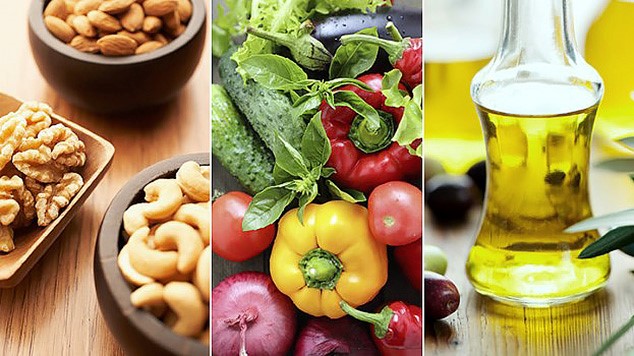
Introduce more fiber into your diet. Both soluble and insoluble fiber have been shown to help reduce cholesterol in most patients and can be found in foods that are appropriate for a pregnant woman’s diet, such as fruits, vegetables and whole grains such as oatmeal.
Step 3
Check with your doctor whether a reduction in the amount of fat you eat is advisable during your pregnancy. Your nutritionist may advise you to consume a certain amount of fat each day for the neurological health of your baby but might instruct you to seek out healthier sources for it such as the monounsaturated fats found in olive oil or avocados.
Step 4
Discuss exercise options with your doctor. Women who stay active early in pregnancy may have lower cholesterol than those who take it easy, new research suggests. If you have been exercising consistently before your pregnancy, you should be able to continue exercising throughout most of your pregnancy. However, your doctor may advise you against engaging in high-impact aerobics, which may put too much stress on your heart.
Step 5
 Try to workout on low-impact cardio machines such as elliptical treadmills and stationary bikes. These machines allow you to increase your heart rate to an acceptable level without putting additional strain on your joints or back. Remember, that physical activity helps lower cholesterol levels whether it involves everyday activities like vacuuming, stair climbing, lawn mowing or gardening or a structured exercise routine. Exercise helps lower cholesterol levels by increasing the amount of HDL cholesterol (the good kind) in your blood while reducing the amount of LDL cholesterol (the bad, artery-clogging kind).
Step 6
Treat yourself to lots of water after exercising and throughout the day. By avoiding sugary or caffeinated beverages, you can keep your triglycerides down during pregnancy–an important factor in maintaining a low cholesterol level.
Step 7
Accept that most doctors do not worry too much about high cholesterol in pregnant women. Most do not believe that 9 months of untreated high cholesterol presents a high risk to the overall health of their pregnant patients.
In brief, pregnant women are advised to reduce cholesterol side effects by eating healthy, exercising regularly, drinking plenty of water, and avoiding alcohol and tobacco smoking, including second hand smoke.
Warning: Pregnant women should watch their cholesterol health during pregnancy to help avoid the progression of atherosclerosis in their children later in their lives. Women who are dealing with cholesterol heart disease during their pregnancy are not able to take medication during the gestation period. If they develop hypercholesterolemia – an abnormally high concentration of cholesterol in the blood stream – the side effects of the condition will affect the child more than the mother. The fetus could develop fat patches in the artery walls and they turn into atherosclerotic lesions during childhood. If not treated, these lesions could cause death.
Related Links
- Preeclampsia: a Common Pregnancy Complication
- Managing cholesterol with exercise
- Top 10 Low Cholesterol food options
- Alcohol and Pregnancy
- Pregnancy and Heart Disease
- Cholesterol Lowering foods
Disclaimer
The Content is not intended to be a substitute for professional medical advice, diagnosis, or treatment. Always seek the advice of your physician or other qualified health provider with any questions you may have regarding a medical condition.