Preeclampsia, also known as toxemia is a disease characterized by the gradual development of high blood pressure (over 140/90) that is often accompanied by protein excretion in the urine and excessive swelling of legs, hands, and face. It only occurs during the last half of pregnancy or in the first few days postpartum and always resolves within a few days to weeks after delivery of the baby. It may be mild or severe.
Preeclampsia becomes eclampsia if a seizure that is related to the disease occurs. A severe form of preeclampsia is called HELLP syndrome.
Risk Factors
Women with any of the following risk factors are more likely to develop the disease :
- First pregnancy (excluding miscarriages)
- Overweight
- High blood pressure, kidney disease, lupus, or diabetes prior to pregnancy
- Multiple gestation (eg, twins or triplets)
- A family history of preeclampsia in a sister or mother
- A previous pregnancy complicated by preeclampsia
- Maternal age under 20 and possibly maternal age over 35 to 40.
Symptoms
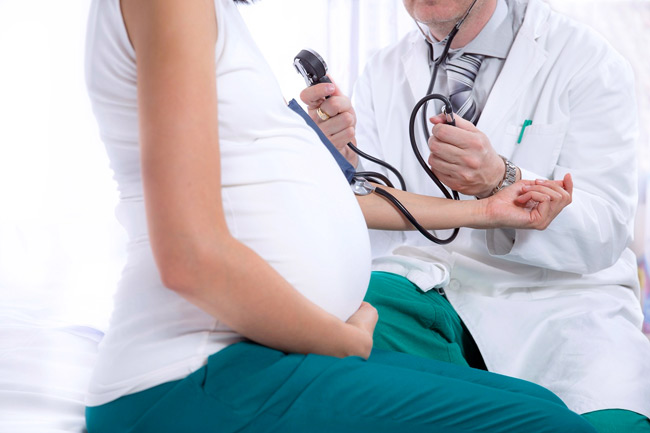
The majority of women with mild preeclampsia have no symptoms. For this reason, prenatal visits to check your blood pressure and measure urinary protein are scheduled more frequently in the last half of pregnancy.
Symptoms can include
- Swelling
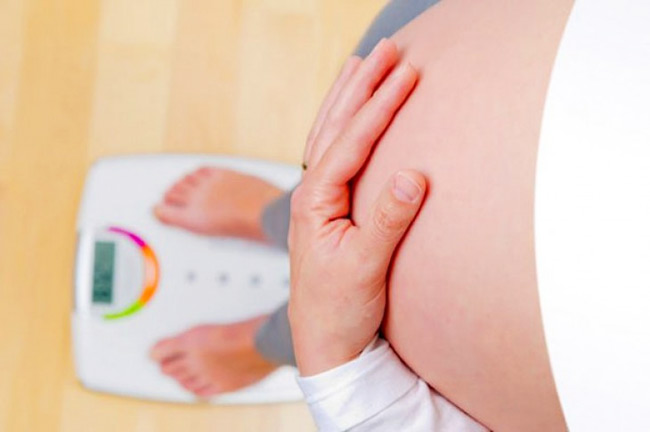
- Sudden weight gain
- Persistent headache
- Vision changes
- Vomiting
- Abdominal pain
- A change in reflexes
- Reduced output of urine or no urine
- Blood in the urine
- Dizziness
But some women experience no symptoms at all.
How is preeclampsia different from gestational hypertension?
If you develop high blood pressure after 20 weeks of pregnancy but don’t have protein in your urine, you’re said to have gestational hypertension (also known as pregnancy-induced hypertension). If protein is later found in your urine, your diagnosis changes to preeclampsia. This happens to about a quarter of women who are initially diagnosed with gestational hypertension.
Diagnosis
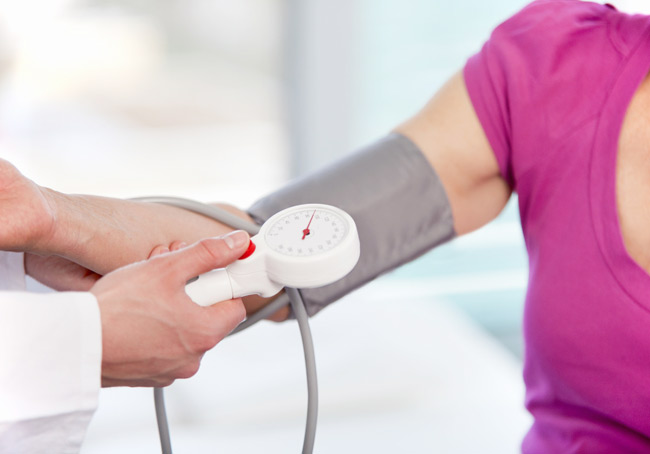
Diagnostic criteria for preeclampsia include new onset of elevated blood pressure and proteinuria after 20 weeks of gestation.
Blood pressure: 140 mm Hg or higher systolic or 90 mm Hg or higher diastolic after 20 weeks of gestation in a woman with previously normal blood pressure
Proteinuria: 0.3 g or more of protein in a 24-hour urine collection (usually corresponds with 1+ or greater on a urine dipstick test)
In case of Severe preeclampsia
Blood pressure: 160 mm Hg or higher systolic or 110 mm Hg or higher diastolic on two occasions at least six hours apart in a woman on bed rest.
Proteinuria: 5 g or more of protein in a 24-hour urine collection or 3+ or greater on urine dipstick testing of two random urine samples collected at least four hours apart.
Treatment
There is no cure for preeclampsia except for delivery of the baby. Restricting your activity and taking antihypertensive medication can lower your blood pressure, thereby reducing the risk of stroke, but will not affect the arterial constriction or the course of the disease for you or your baby.
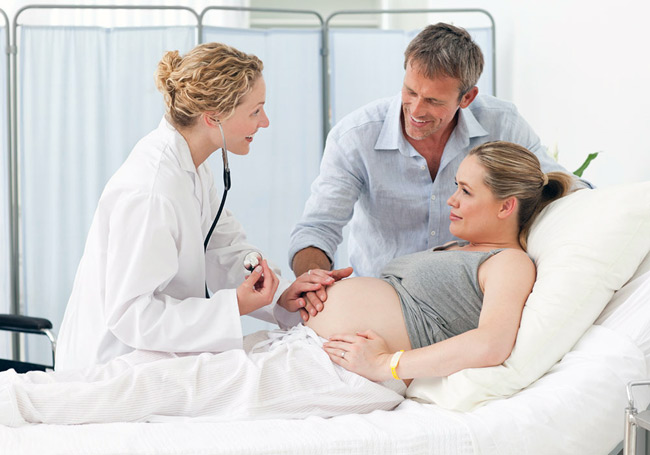
When possible, vaginal delivery is preferable to avoid the added physiologic stressors of cesarean delivery. If cesarean delivery must be used, regional anesthesia is preferred because it carries less maternal risk. In the presence of coagulopathy, use of regional anesthesia generally is contraindicated.
During labor, the management goals are to prevent seizures and control hypertension. Magnesium sulfate is the medication of choice for the prevention of eclamptic seizures in women with severe preeclampsia and for the treatment of women with eclamptic seizures. One commonly used regimen is a 6-g loading dose of magnesium sulfate followed by a continuous infusion at a rate of 2 g per hour. Magnesium sulfate has been shown to be superior to phenytoin (Dilantin) and diazepam (Valium) for the treatment of eclamptic seizures. Although magnesium sulfate commonly is used in women with preeclampsia, studies to date have been inadequate to show that it prevents progression of the disorder.
Antihypertensive drug therapy is recommended for pregnant women with systolic blood pressures of 160 to 180 mm Hg or higher and diastolic blood pressures of 105 to 110 mm Hg or higher The treatment goal is to lower systolic pressure to 140 to 155 mm Hg and diastolic pressure to 90 to 105 mm Hg. To avoid hypotension, blood pressure should be lowered gradually
Maternal monitoring consists of frequent blood pressure measurements and blood and urine tests to check liver and kidney function, platelet count, and for red blood cell destruction (hemolysis). You should immediately call you doctor if you develop any of the signs or symptoms of severe preeclampsia mentioned above, as well as decreased fetal activity, vaginal bleeding, or uterine pain.
Prevention
The old “rest, diet and fluid” routine is also worth a try. Rest on your left side for 30 minutes several times a day to help renal blood flow. Avoid any constrictive postures or clothing and keep up an exercise routine, perhaps walking 30 minutes a day.
Some contributing factors to high blood pressure can be controlled and some can’t.
- Maintain a normal weight before pregnancy.
- Avoid excessive pregnancy weight gain.
- Use little or no added salt in your meals.
- Consume adequate sources of calcium.
- Eat a well balanced, prenatal diet
- Drink 6-8 glasses of water a day.
- Don’t eat a lot of fried foods and junk food.
- Get enough rest
- Exercise regularly
- Elevate your feet several times during the day.
- Avoid drinking alcohol.
- Avoid beverages containing caffeine.
- Your doctor may suggest you take prescribed medicine and additional supplements.
Diet and Pre-eclampsia

Some studies indicate that poorly nourished women develop pre-eclampsia more often. Studies of calcium supplementation for preventing pre-eclampsia have had mixed results with some recent studies showing no effect. A recent study showed that supplemental vitamin C and vitamin E may reduce pre-eclampsia in high risk women. The authors caution that it is too soon to recommend supplementation. Pregnant women should make sure their diet is adequate in food sources of these vitamins and take only the supplements prescribed by their prenatal care provider.
More on Pregnancy
Disclaimer
The Content is not intended to be a substitute for professional medical advice, diagnosis, or treatment. Always seek the advice of your physician or other qualified health provider with any questions you may have regarding a medical condition.