Pregnancy is one of the physiological conditions that places a considerable burden on the heart, forcing it to work harder for a significantly long period – nine months. While a normal heart is quite capable of taking this extra workload right in its stride, a diseased one may not be able to cope. Different kinds of heart disease may cause different problems during pregnancy.
A woman who has a history of heart disease, heart murmur, rheumatic fever or high blood pressure should talk with her healthcare provider before she decides to become pregnant. A woman who has congenital heart disease has a higher risk of having a baby with some type of heart defect. If this is your case, it’s very important to visit your healthcare provider often. You may need to have diagnostic tests done, such as a fetal ultrasound test.
Many people have fast or slow heartbeats that may be regular or irregular. These are called “arrhythmias.” They can develop for the first time during pregnancy in a woman with a normal heart or as a result of previously unknown heart disease.
There are three connections between pregnancy and heart-related problems.
First
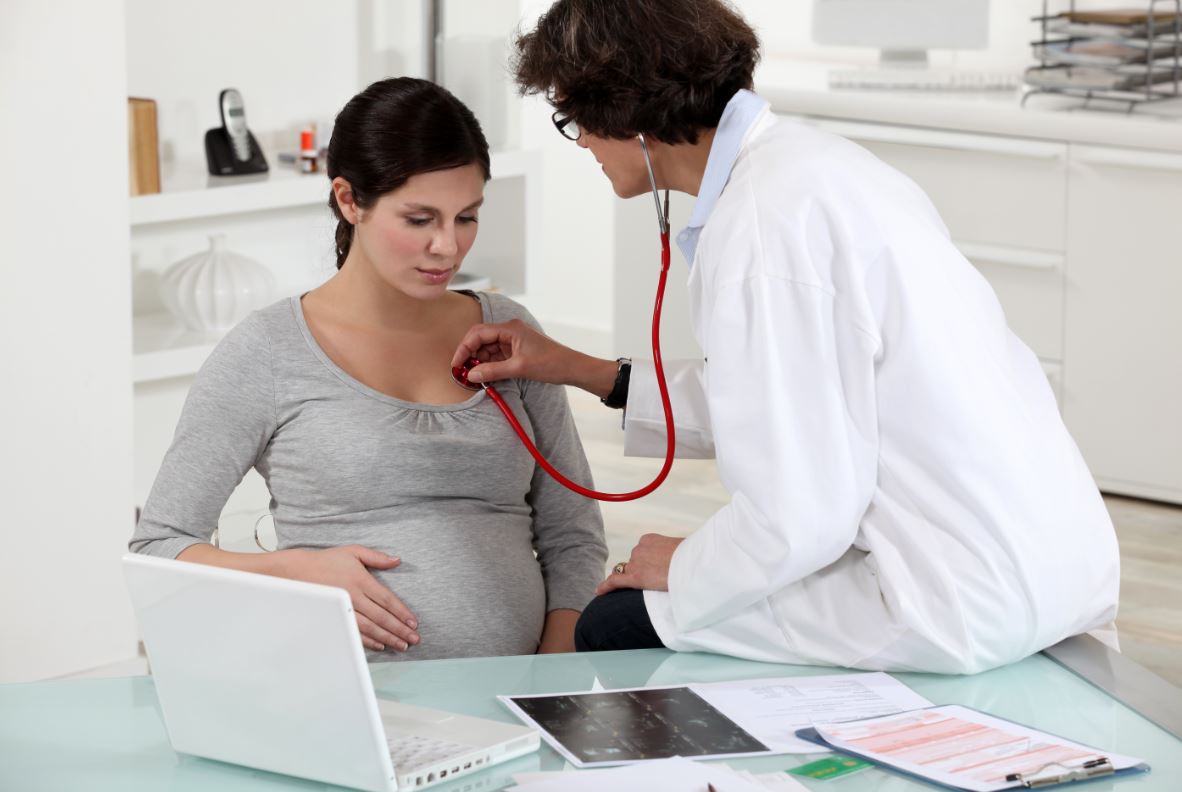
pregnant heart patients need special care during pregnancy and delivery to avoid a pregnancy complication. Any pregnancy places an increased demand on the expectant mother’s heart. It is not surprising, then, that health risks are increased if a woman has heart disease. This is why women who are, or about to become pregnant are encouraged to work closely with their physician to determine which diagnostic tests, treatments or preventive measures (e.g., medication or bed rest) may be the most appropriate for her and for the developing baby. Some heart-related conditions carry greater dangers for the mother and/or the child than others. Studies show that good prenatal care, which includes close physician participation throughout the pregnancy, increases the chances of a healthy baby and mother.
Second
heart-related conditions may develop in otherwise healthy women who become pregnant. These gestational heart-related problems include the following:
- Peripartum cardiomyopathy. A rare type of dilated cardiomyopathy that is due to complications from pregnancy. One of several gestational heart-related conditions, it most often occurs in women over the age of 30 during the last three months of their pregnancy or within four to six months after delivery. It can be a serious or even life-threatening risk for the mother and can also put her unborn child at risk.
- Pregnancy-induced hypertension (high blood pressure). High blood pressure during pregnancy can affect the supply of oxygen to both mother and fetus. This can, in turn, increase the risk of stroke and seizures in the mother, and delayed physical development in the fetus. Smoking, overweight, diabetes, family history of high blood pressure, as well as carrying a multiple birth, are some risk factors for pregnancy-induced hypertension.

- Pregnancy-induced diabetes (gestational diabetes). A condition in which women develop type 2 diabetes during pregnancy, returning to normal after delivery. Studies have shown that one-half of those with gestational diabetes developed type 2 diabetes again within the next 15 years. They are also more likely to have gestational diabetes with a future pregnancy.
- Strong, fast, “galloping” heart beat (palpitations). Pregnancy places a greater demand on the heart. This could result, for example, in episodes of rapid heartbeat (tachycardia)) or palpitations. Generally, these are common, normal occurrences. However, women are advised to see their physician in order to rule out serious conditions.
- Varicose veins. An increase in blood volume is a normal part of pregnancy. Along with quite obvious physical growth, these changes place a stress on the leg veins. As a result, veins in the leg can swell and bulge. The risk for developing varicose veins increases if a woman is overweight and/or has a family history of varicose veins.
- Deep vein thrombosis (DVT). Women with a history of DVT are more likely to have a recurrence during pregnancy.
- Amniotic fluid embolism. A very rare type of embolism known to occur when placental membranes have been ruptured (e.g., difficult labor,cesarean section). Amniotic fluid travels to the lungs, where it can cause shock, tachycardia and sudden cardiac death.
Third
A heart defect or other congenital heart disease could develop in the fetus. In the vast majority of patients, the cause of congenital heart disease is unknown. However
, there are some risk factors that have been associated with a higher rate of congenital heart disease. These risk factors include:
- Chromosomal or genetic abnormalities (e.g., Down syndrome) in the child
- Certain medications taken during pregnancy
- Alcohol or drug abuse during pregnancy
- Exposure to certain environmental agents (e.g., some pesticides, lead)
- Maternal viral infection, such as rubella (German measles) in the first trimester
- Maternal fever early in pregnancy or around conception
- Maternal diabetes (that is, pre-existing diabetes, and not gestational diabetes)
- Maternal obesity
- Poor nutrition (e.g., from eating disorders, unbalanced diet)
If you have a heart condition, you and your healthcare provider should talk about it and plan for your pregnancy. You’ll also need to think about what may be involved in caring for your child later.
Here are some important things for any pregnant woman to do:
-
Eat a nutritious diet.
-
Don’t smoke or drink alcohol.
-
Have your doctor approve any medicine you use (including over-the-counter drugs).
Disclaimer
The Content is not intended to be a substitute for professional medical advice, diagnosis, or treatment. Always seek the advice of your physician or other qualified health provider with any questions you may have regarding a medical condition.