It’s not that people don’t know that exercise is good for them and can improve their selfimage.
Obese and overweight people, in fact, are even stronger believers in the importance of exercise than those of normal weight, according to a survey of more than 1,500 men and women conducted by researchers at George Washington University Medical Center.

But many overweight and obese people loathe the idea of huffing and puffing in front of younger, thinner gym-goers, the poll found. They also feel embarrassed about sweating it out in front of those svelte, muscular health club staffers.
So in the end it’s emotions, not a lack of determination, that may keep people from regular exercise.
Psychological factors include:
- One’s eating habits
- Sensitivity to external cues
- Emotional “triggers” to eating
- Use of food as a means of modulating emotions
- A lack of other regular sources of pleasures in one’s life
Therapeutic Strategies for Weight loss
Some behavioral therapy techniques include self-monitoring, stimulus control, slower eating and cognitive techniques.
Self Monitoring:
There are any number of ways to monitor yourself and make sure you aren’t drifting too far away from your healthy habits, which is very easy to do if you’re not paying attention. Some options include:
- Keeping a food journal. Knowing you have to write down what you’re eating makes you think twice about your choices.
- Keeping an exercise journal. Looking back to see how many workouts you’ve done can be a great motivator and it can also help you decide when it’s time to change your program.
- Taking your measurements. The scale won’t always reflect the changes in your body and tell you whether you’re gaining muscle and losing fat. Measurements can tell you if you’re losing inches, which is a sure sign you’re on the right track.
- Testing your body fat. Body fat percentage is often a more useful number than what you see on a scale because a scale can’t tell you if you’re losing water, fat or, worse, muscle. If you’re a gym member, you can often get this tested for free by fitness professionals but, if you don’t have access to a body fat test, taking your measurements works too.
Stimulus control:
Implement strategies to prevent temptation and exposure to sedentary activities or social eating. The most important stimulus-control technique is structuring your environment. This means removing temptation from your home and stocking your boards and refrigerators with the proper foods. Eat only at the kitchen table, not while watching television. When you finish dinner, clean up and leave the kitchen area, then brush your teeth, so you are not tempted to return and snack again. Lay out your exercise clothes for the morning so you are reminded to begin your day with your exercise program.
When going out to social situations, eat first or bring your own food if you cannot arrange in advance to have food that meets your needs. Volunteer to bring food for the other guests, too; then you have something you can eat with distress. Try not to make food the center of your life. Keep active with interests that keep you from thinking about eating.

Slower Eating:
Experts say that if you decrease the speed of your eating, you’ll consume fewer calories since your body will have enough time to release the hormones that tell you you’ve had enough. While some people say it takes about 15 minutes for the body to feel full, some studies show that it can take about one hour or more for the body to feel satiated.
The feeling of fullness and satisfaction is more than filling your tummy and chemical changes in the body. The satisfaction you get from what you’re eating slowly decreases as you eat. The first bite of your chosen food is extremely delicious if you’re hungry, the pleasure slowly declines as you consume the food.
Cognitive Techniques:
A study conducted in Sweden demonstrated that Cognitive Therapy (CT) is effective not only in helping people lose weight but also in maintaining that weight loss (Stahre & Hallstrom, 2000). Dieters give themselves permission to stray from their diet for any number of reasons. They’re upset, happy, tired, stressed, celebrating, traveling, busy, at a party…the list is endless. They think, ‘It’s okay to eat because…. everyone else is; it’s only a small piece; no one is watching.
Cognitive therapy teaches the unhealthy eater to quit the self-blame, realistically assess the problem, and to set practical goals for change. Cognitive therapists also assess body misperception. Many people who eat in an unhealthy fashion may tell others that they are fat. Labeling oneself in a negative manner is one of many cognitive distortions that hinder weight-loss progress.
According to James P. Krehbiel, Ed.S., LPC, Unhealthy eaters can untwist their maladaptive thinking and meet their weight goals by:
- Learning to rationally respond to negative thinking. For example, instead of saying, “I’ll never meet my weight goals, I’m just worthless,” one might say, “Just relax and be patient, Rome wasn’t built in a day.”
- Identify cognitive distortions such as castastrophizing, labeling, personalizing, and black and white thinking. An example might be, “If I can’t lose 5 lbs. this week I might as well give up” (black/white thinking).
- Instead of being unkind to yourself, talk to yourself the same compassionate way you would to a dear friend who is experiencing the same weight problem.
- Instead of assuming your negative thoughts are accurate, examine the evidence that supports your conclusions. “If I don’t lose 15 lbs., will people really think I am hopelessly obese?”
- Instead of taking full responsibility for your weight problem, you can assess the many factors that may have contributed to it and address those issues with the support of others.
- Set a realistic agenda. Ask yourself, “What would it be worth to me to stop my unhealthy eating? How hard am I willing to work on a rational solution?”
- Evaluate weight maintenance progress based upon the process — the effort you put in — rather than the outcome. Your efforts are within your control, but the outcome may not.
- Substitute language that is less emotionally loaded. “I shouldn’t have eaten that extra helping” can be redefined as, “It would have been preferable if I hadn’t eaten more.”
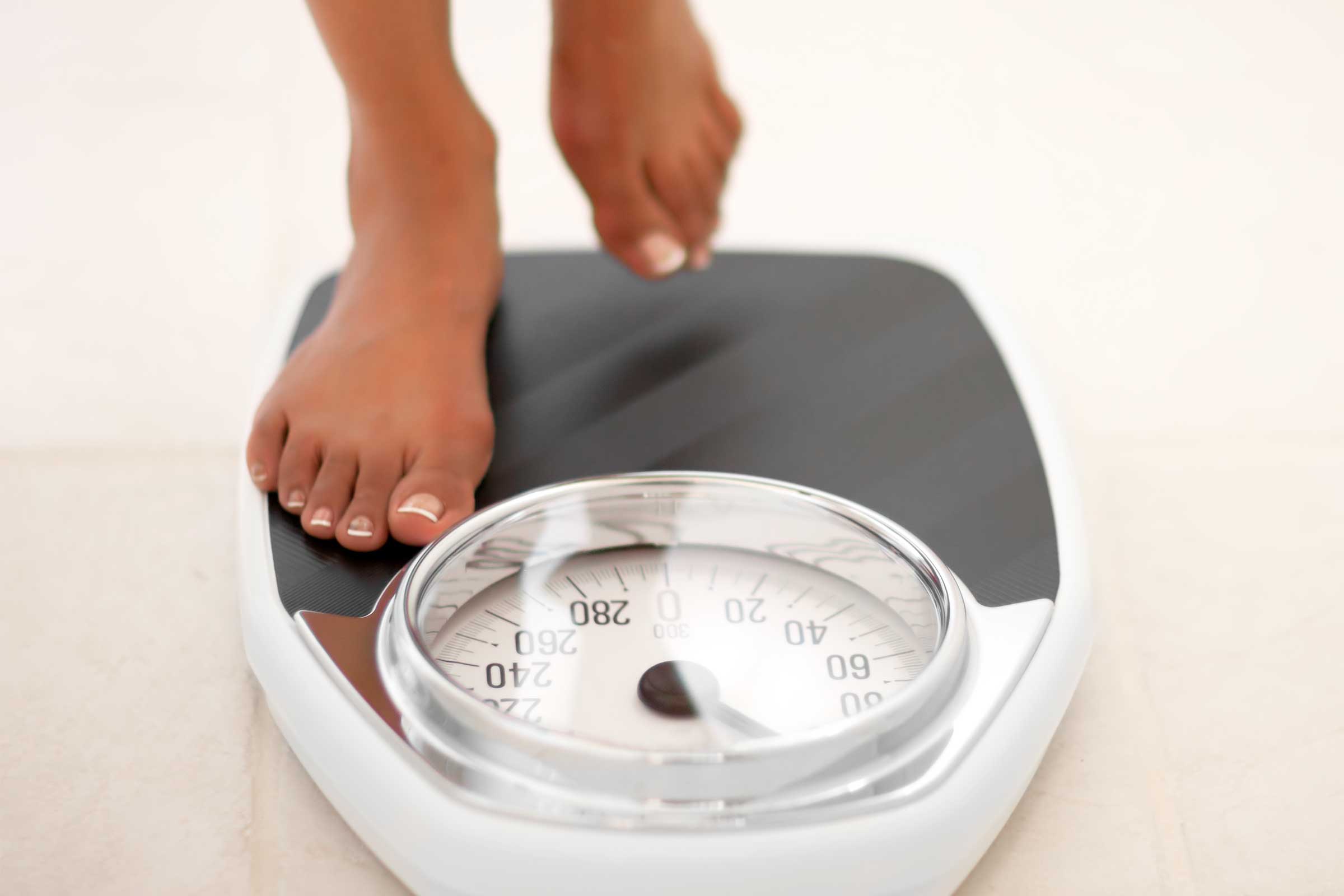
Exercise, including both programmed activities and lifestyle activities, is extremely important. Sometimes more general psychological counseling is needed to help people make other psychological changes so that food and eating will occupy a less important place in their lives.
Maintaining weight loss is an important concern and involves different attitudes, strategies and behaviors than losing weight.
Perhaps an even more basic issue is the public’s attitude toward weight, especially “ideal weight.” There needs to be a shift in our culture’s extreme premium on and preoccupation with thinness. Not only would this shift contribute markedly toward reducing the incidence of eating disorders, it would go a long way toward increasing the amount of happiness in the lives of millions whose satisfactions – and self-esteem – seem directly correlated with their weight.
Disclaimer
The Content is not intended to be a substitute for professional medical advice, diagnosis, or treatment. Always seek the advice of your physician or other qualified health provider with any questions you may have regarding a medical condition.