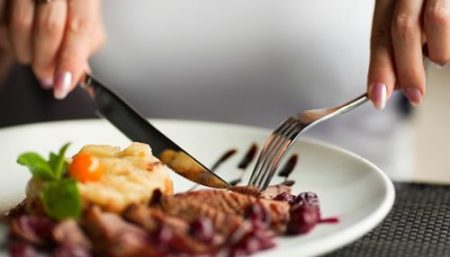
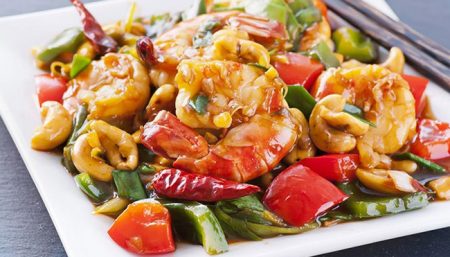
With Christmas and new year gearing up its time to party again, it’s time again to keep a watch on what goes into your stomach so that you are left with no regrets.

It’s clear that the way to be thin and still have some joy with our meals is to adopt a more traditional, and worldly, way of dining. Moderate portions, fresh whole foods, relaxing and lingering with family and friends at the table-it’s what they do not just in France, but throughout the Mediterranean, Latin America and Asia. These are places where obesity rates have historically been low (at least until the global spread of fast food and sedentary lifestyles boosted obesity everywhere). This reminds us that it is possible to eat what you love without feeling guilty, deprived or going on any restrictive regimen.
Here’s how:
 Alcohol is fattening: At parties, exercise control over alcohol. Drinking is often paired with social occasions where higher-fat foods are often available. Try to stick with wine. Better yet, a wine spritzer with half wine and half club soda. You can drink more for fewer calories with a spritzer. Wine has the lowest calorie content per glass for alcohol. My personal favorite is champagne. If the calories won’t keep you from drinking more than two glasses, the price will. If you must have the hard-core stuff-vodka, bourbon, etc.-stick with straight up, rocks or mixed with water or club soda. If you mix with juices, cola or tonic you are adding over one hundred calories to the calories already in the liquor. And drinks like Margaritas, daiquiris, and pina coladas are of full of calories. The mixes are sugar, sugar and more sugar. If you’re going to have wine with dinner, don’t let anyone refill your glass before it’s empty. When that happens you never really know how much you’re drinking. Instead, drink lots of water, seltzer, and unsweetened ice tea. For coffee and tea, use skim and/or 1% reduced fat milk – and limit the sugar to 1 packet per cup.
 Red Flags on the Menu: As a rule of thumb, choose grilled, broiled, poached or steamed foods: avoid creamed, buttered, fried foods, or those with a cheese sauce…and ask to replace fatty French fries with a baked potato or side vegetable. Also, request your sandwich on whole wheat bread instead of white, specify brown rice instead of white rice and ask for salad dressing, gravy, and sauces on the side. These minor adjustments translate into major calorie savings. . The “Chef’s Special” is almost always a fat trap.

Beginning with Soup: Choose tomato-based sauces and soups, instead of cream based soups like vichyssoise or soups topped with cheese such as French Onion Soup. Clear soup are the best. A two-year French study of 2,188 men and 2,849 women found that those who ate soup five to six times a week were more likely to have BMI‘s below 23 (considered lean), compared with infrequent- or noneaters whose BMIs tended to be in the 27 range.

 Check the fat: Request that added fats, such as salad dressings, sauces, and coconut chutneys be left off or put on the side. If it’s a rich blend, such as blue cheese dressing (90 calories a tablespoon), use a teaspoon, not a tablespoon, to flavor up. Healthy fats like olive oil, a staple of the Mediterranean diet, and canola oil, a staple of Okinawans, make vegetables tastier, so you’re likely to eat more of them. According to data from the Catalan Nutrition Survey done in Spain, people who ate the most olive oil also consumed more vegetables than those who consumed the least olive oil. And, as we know, eating a diet rich in produce is key to maintaining a healthyweight. In a study of more than 74,000 female nurses conducted over 12 years, Northwestern and Harvard University researchers discovered that those who added the most fruits and vegetables to their diets lowered their risk for major weight gain by 28 percent.
 Get acquainted: If you are going to an ethnic cattery, you should be at least moderately acquainted with the particular cuisine. If you are not, do ask what menu names or description mean. Some can be red signals for fat. On a French menu, for instance, anything prepared remoulade refers to a mayonnaise sauce. In an Italian restaurant, good appetizers are minestrone soup, Cioppino (seafood soup), or steamed mussels in a red sauce. Pasta with a vegetable-or tomato-or wine based sauce is fine, so is pasta-e-fagioli, or spaghetti with marinara. Low-fat Thai fare includes lemon grass soups; stir-fried noodles and sprouts; lightly sautéed meats. Avoid the coconut based soups and curries, or deep-fried offerings like royal tofu and peanut sauce. Pick you way carefully through a Mexican menu. Gazpacho, grilled meats or seafood, chicken fajitas, black beans soup, plain corn tortillas with a salsa dip, soft chicken tacos or beans in a soft tortilla are among the wiser options. In a Chinese restaurant, whole steamed fish with sauce on the side is good choice. Simple stir-fries are also fine, except that most Chinese eateries in India use too much oil in the stir-fries.
 Exercise portion control: When portion choices are available, order half portions: restaurant serving sizes generally weight down on the side of excess. Scale back by ordering one to two non-fried appetizers instead of an entrée – or consider sharing an entrée with a friend. You can also divide your main course in half and take half home for a future meal.
 Think quality, not quantity: The French snub processed “diet foods” not found in nature, opting instead for high-quality meats, fish, produce, dairy, even desserts. When food is fresh and flavorful, you can be satisfied with smaller portions. This is the opposite of the American approach, which is to fill up on bland diet foods, then gorge on sweets later.
 A little goes a long way: Salt makes you retain water and bloats you. Most restaurants add too much salt, so resist the temptation to lift the salt shaker, especially before you taste.
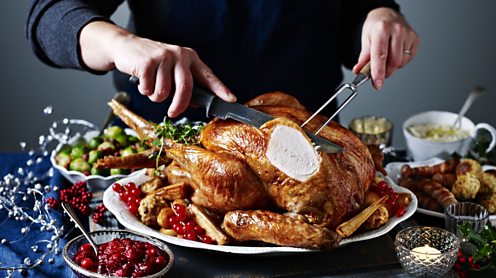
 Relax and enjoy: Make your meals into sociable occasions whenever you can and eat with other people. Do not eat too fast, just relax and enjoy the occasion.
 Finally it’s time for dessert: Don’t panic there are two ways to go. Order something sensible like fruit or sorbet. I personally like non-fat cappuccino with artificial sweetener. Tastes fattening but it’s not. The key here is to keep it down to one or two – OK – three bites. Take them slowly and savor them. There, you had that death-by-chocolate cake taste without adding an inch to the hips. And don’t you feel better about yourself!
Use non-diet thinking; avoid the diet mentality. Diet thinking is irrational and unhealthy: “I better eat as much dessert as I can now because tomorrow I am going back on my diet,” or “I’m full but I’ll still have a piece of cake and ice cream; I will work out extra hard tomorrow to work it off.” Replace these statements with the following healthier ones: “I’ll take a small piece of cake because I really want it. If I don’t I will feel deprived and will most likely binge later.” “I really feel full. I would be eating just to eat. I am so full I probably wouldn’t enjoy it anyway. Maybe I could take a piece home for another day when I would enjoy it more.” Non-diet, healthy people are more selective with their choices, and they pay attention to their internal signals of hunger. They still eat what they want (being creative and limiting the extras) and they may eat a little more than usual, but their regular eating habits prevent them from unintentionally bingeing or overeating.
Disclaimer
The Content is not intended to be a substitute for professional medical advice, diagnosis, or treatment. Always seek the advice of your physician or other qualified health provider with any questions you may have regarding a medical condition.