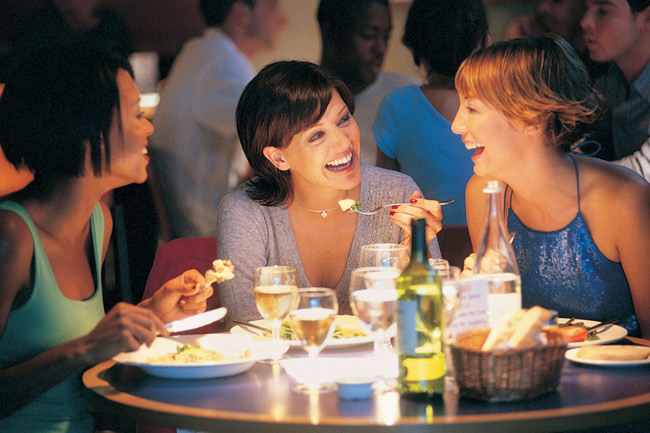
Many of us enjoy going out to eat. Unfortunately a number of people throw their 25 percent or less fat budget out of the window. Even worse, many eat unbalanced meals and/or binge when eating out. Some people will even skip breakfast and lunch to compensate for the extra calories they will consume when going out for dinner. By the time dinner rolls around, they are so hungry they make unwise choices and overeat.
Check out Top 10 rules for dining out:
1. First rule – never, never, never go to a buffet. Life is tough enough without surrounding yourself with temptation. I don’t care how committed you are, you will never have enough self-discipline to make it through an hour of this kind of torment. Stick with ordering from a menu.
2. Avoid restaurants with names like “The Keg” because just the thought of a keg of anything adds three inches to your waist.
3. Be sure to order what you really want when eating out. If you only order what you think you “should” rather than what you really want, you may be physically satisfied but not psychologically satisfied; you will most likely crave something more. If the meal is not enjoyable or satisfying, you may end up ordering a dessert (that you normally would not order) to fulfill your cravings. Remember, you can still eat the foods you love; just try to be creative and cut down on the fattening “extras” (butter, sour cream, etc.) that are not needed in order to enjoy the meal.
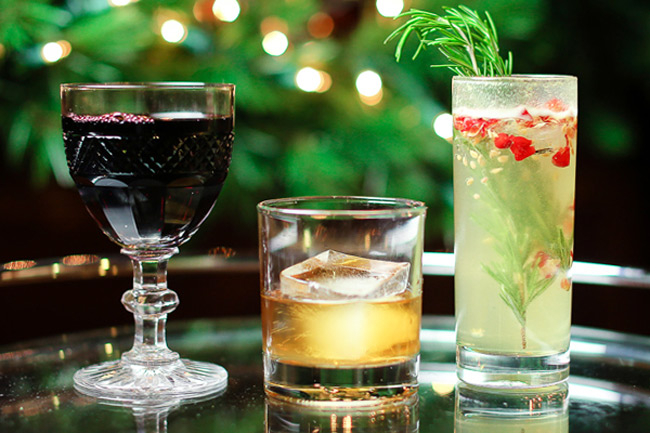
4. Drinks before dinner? Certainly you can order a drink, but be careful. Try to stick with wine. Better yet, a wine spritzer with half wine and half club soda. You can drink more for fewer calories with a spritzer. Wine has the lowest calorie content per glass for alcohol. My personal favorite is champagne. If the calories won’t keep you from drinking more than two glasses, the price will. If you must have the hard-core stuff-vodka, bourbon, etc.-stick with straight up, rocks or mixed with water or club soda. If you mix with juices, cola or tonic you are adding over one hundred calories to the calories already in the liquor. And drinks like Margaritas, daiquiris, and pina coladas are of full of calories. The mixes are sugar, sugar and more sugar. If you’re going to have wine with dinner, don’t let anyone refill your glass before it’s empty. When that happens you never really know how much you’re drinking.
5. Don’t spend one half to one hour before your meal arrives eating the bread they love to put in front of you. If you must, take one piece, put it on your plate and pick small portions off every few minutes – no butter or dipping oil. A better idea if you’re going to be tempted is to order an appetizer like a salad or boiled shrimp to take the place of the bread or rolls.
6.If you order a salad always ask for the dressing to be brought on the side. A great trick is to dip your fork in the dressing and then spear a portion of the salad. You’ll still get the taste with a lot fewer calories. Soon this will be the only way you will be able to eat a salad. Once you taste the fresh crisp greens, you’ll never again want them soggy from being drowned in dressing.
7. Whether you’re dining out or eating at home, stay away from breading and frying. Remember the three “Bs”: boil, broil or bake. Stir frying is also fine . If you’re eating somewhere that insists on covering every dish with some kind of sauce, get it on the side or ask them to hold it altogether. By putting the sauce on the side you can use the same technique as for the salad.
8. Order steamed vegetables without butter. This way if you just can’t stand eating butter free vegetables, you can place a small amount on them yourself. The key when dining out is to stay in control of what you’re eating as much as possible.
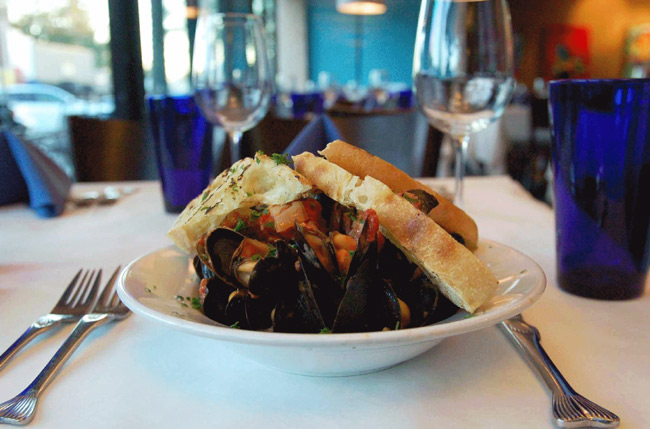
9. Fish is a great menu choice if grilled, broiled or baked. Fish is an excellent low-fat food – Omega-3 fatty acids are polyunsaturated fatty acids found in all seafood, including shellfish, oysters and shrimp. Most shellfish and white-fleshed fish like flounder and even some dark-fleshed fish like yellow-fin tuna contain less total fat than any other form of animal protein.
Always ask that salad dressing and sauces be served “on the side.”
10. Finally it’s time for dessert. Don’t panic there are two ways to go. Order something sensible like fruit or sorbet. I personally like non-fat cappuccino with artificial sweetener. Tastes fattening but it’s not. The key here is to keep it down to one or two – OK – three bites. Take them slowly and savor them. There, you had that death-by-chocolate cake taste without adding an inch to the hips. And don’t you feel better about yourself!
At Fast Food Restaurant
Even fast foods have possibilities. Most “quick serve” chains offer a selection of salads. Great choice if you stay away from all the dressing and added extras like cheese and croutons.
Grilled chicken sandwiches are generally a better choice than hamburgers. Stay away from beef and fried chicken sandwiches. Get mustard only – no mayo or special sauce (whatever that is) – and always hold the cheese. If you simply must have a side, get a small order. Always order diet drinks. If you are having pizza, get thin crust and stay away from the meat toppings. Instead, order all the veggie toppings you want.
Get familiar with your options and make wise choices.
Use non-diet thinking; avoid the diet mentality. Diet thinking is irrational and unhealthy: “I better eat as much dessert as I can now because tomorrow I am going back on my diet,” or “I’m full but I’ll still have a piece of cake and ice cream; I will work out extra hard tomorrow to work it off.” Replace these statements with the following healthier ones: “I’ll take a small piece of cake because I really want it. If I don’t I will feel deprived and will most likely binge later.” “I really feel full. I would be eating just to eat. I am so full I probably wouldn’t enjoy it anyway. Maybe I could take a piece home for another day when I would enjoy it more.” Non-diet, healthy people are more selective with their choices, and they pay attention to their internal signals of hunger. They still eat what they want (being creative and limiting the extras) and they may eat a little more than usual, but their regular eating habits prevent them from unintentionally overeating.
Related links
- Top 10 Reasons not to skip your breakfast
- Top 10 to avoid the Salad Trap
- Healthy Choices While Eating Out
- Words to be Watched Out in Restaurants
- Top 10 to Get the Most from Your Meals
- Top 10 Healthiest Snacks : You Can Just Keep on Eating
- Top 10 Simple Steps to Change the Way You Eat
Disclaimer
The Content is not intended to be a substitute for professional medical advice, diagnosis, or treatment. Always seek the advice of your physician or other qualified health provider with any questions you may have regarding a medical condition.