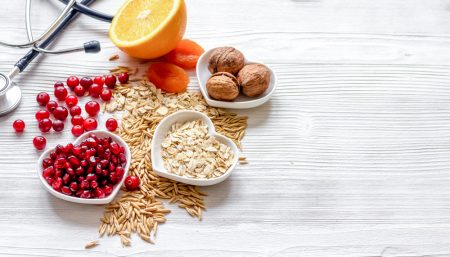
VARIETY – BUT NOT TOO MUCH
As there are no food that contain an optimum combination of the required nutrients such as fat, protein, minerals, vitamins,water and fiber, the diet much include the required quantities of the various nutrient groups in order to guarantee optimal provision. Naturally each group contains some foodstuffs, which have a higher rating from the point of view of physiological nourishment, and others, which have a lower rating. So, in the group showing cereals and cereal products, we have a slice of whole meal wheat bread, which is rated higher than a slice of toasted bread made from milled white flour.
 LESS FAT AND FATTY FOODS
Pay special attention to the so-called hidden fat. This includes for example fat in meat, delicatessen meats, cheese, eggs, nuts, cakes, chocolate, etc.
Make sure that this hidden fat amounts to no more than 30 to 40 grams a day. This way, you will have information not just on how high your daily energy intake is and how high our fat consumption is, you will also learn whether the combinations of the main nutrients meets the recommendations.
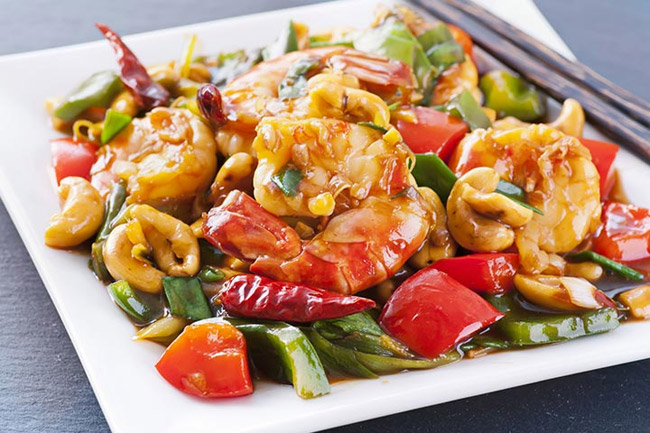
 SPICY BUT NOT SALTY
Your sense of taste will very quickly got used to salty food. If you start eating very salty food for a few days you will then find food with a normal amount of salt very tasteless. At the moment many populations use of average twice as much salt as recommended, that is, ten grams of cooking salt instead of five grams per day. Most cheeses, preserves, prepared dishes, snacks, and delicatessen meats, cooking aids such as stock cubes, mustard and concentrates are particularly salty. On the other hand, there is very little salt in milk, yogurt, fresh vegetables, meat and herbs, Use fresh herbs for taste. Only add salt alter tasting. If there is an iodine deficiency, the use of iodine salt is recommended since this can help to prevent iodine deficiency.
 NOT MUCH SWEET FOOD
Just as we can form a certain threshold of acceptability for salty food, so too can we for sweet food. A certain dependency on sweet things can develop in this way. While they have a relatively high energy content, sweets have a relatively low nutritional value. Simple sugars and refined sugars are frequently combined with saturated fats. Especially stick sweets, such as candy, bonbons and pralines, etc, threaten dental health by forming canes. Anyone who eats sweets regularly is absorbing too much energy and is giving up nutritious foods ion exchange for sweets with little nutritional value. This, of course, means that the body will be provided with fewer of the nutrients it needs to survive. In addition, sweets offer absolutely no way out of this situation. Even if they contain no calories themselves, they are first of all contributing to raising the level of the sweetness threshold for the sense of taste, and secondly they cannot satisfy the hunger for carbohydrates, because they do not contain any. This is how, when people are hungry and when the blood sugar level is low, they often consume more sweet foods than they actually need for their energy requirements. So if you feel like eating something sweet, you should have some fresh or dried fruit.
 MORE WHOLE MEAL PRODUCTS
The consumption of products manufactured from milled white flour mainly reduces the quantities of fiber, vitamins and minerals consumed. These elements, contained in the external layers of while wheat, are mostly lost when it is milled. As the fiber intake of many people is less than the recommended 30 grams, and as the provision of the B-vitamins and certain minerals is not always guaranteed, we should not do without the benefit of whole meal products in our diets.
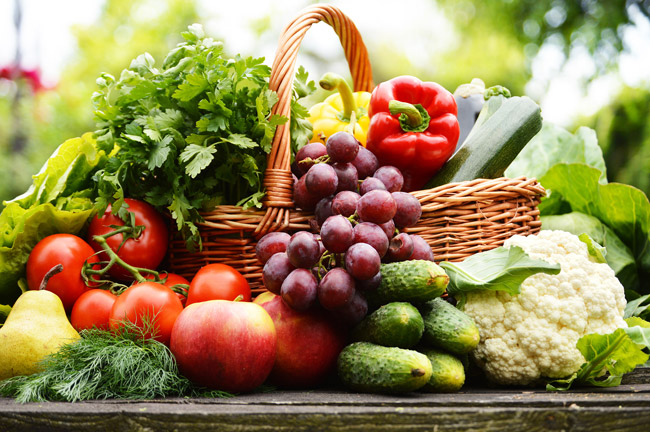
 A WEALTH OF VEGETABLES, POTATOES AND FRUIT
Fruit and vegetables contain mainly carbohydrates, which are supposed to supply more than half of the energy we consume every day, in addition to this, fruit and vegetables provide the body with fiber, vitamins, minerals and water. The high water and fiber content mean they have a relatively low energy content. Pulses – like potatoes – have, in addition to their particularly high fiber content, a very high protein content, the value of which is enhanced when combined with cereal or milk products. Even deep-frozen fruit and vegetables can be recommended if, as is now common practice, they are quick-frozen immediately after harvesting. This process preserves vitamins, which are often lacking in fresh fruit and vegetables, which have generally spent a few days in storage, which causes volatile vitamins to be lost on their way to the store.
 LESS ANIMAL PROTEIN
Even though animal protein generally has a higher biological rating than vegetable protein, that is, it is more easily utilized by the human organism, sources of animal protein do not only bring benefits. If, in addition to this, you combine your vegetable protein sources with other protein-rich foods such as milk, milk products or cereals in your diet, you need not fear deficiencies in your protein supply, especially if you are involved in strength training.

 ENLIGHTENED DRINKING
Drinking can provide the fastest energy replacement without any related feeling of satiation. As this energy has no parallel nutritional value, especially when it comes from lemonades and even alcoholic drinks, it is recommended to cut down on this type of drink as much as possible.
 SMALLER MEALS MORE OFTEN
Five smallish meals will not only crank up your metabolism, this will also mean that energy dips during the course of the day have a lesser effect on you. So have a second breakfast and an afternoon snack. But as a result, make your main meals smaller than usual so that your total energy intake does not exceed the required level. If your body weight is normal, you could even allow yourself a little late snack after supper.
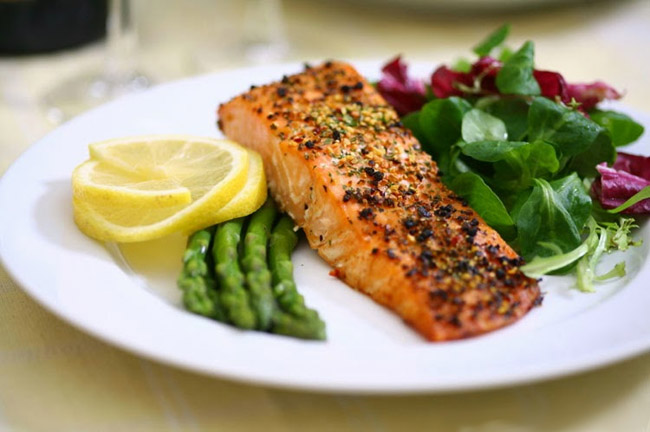
 MAKE TASTY AND NUTRITIOUS FOOD
Cook for as short a time as possible and with little water or fat, to preserve the nutrients and flavor of the food. Vitamins are partially soluble in water and are sensitive to heat, oxygen and light. To preserve them, store your vegetables and fruit in a cool, dark place, use them as quickly as possible and never keep them wart for long. In addition, you should wash them before chopping and chop them coarsely so that the surfaces, which can lose nutrients, cover only a limited area. Minerals are also lost in water. Careful preparation not only attains positive results for the nutritional content; it also considerably improves the flavor.
Always keep these tips in mind while preparing and consuming meals to reap the benefit of good health.
Disclaimer
The Content is not intended to be a substitute for professional medical advice, diagnosis, or treatment. Always seek the advice of your physician or other qualified health provider with any questions you may have regarding a medical condition.