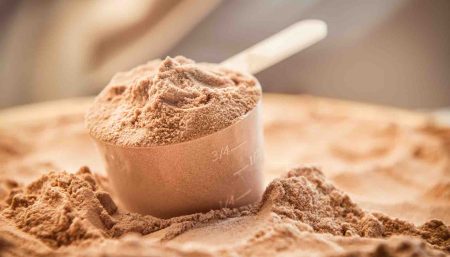
Whey is the ultimate protein in terms of bio-availability (around 100) and content of essential amino acids, which the body needs on a daily basis to promote a healthy body and assist in maintaining muscle tone. Whey protein is a by-product of cheese making, which has been concentrated and purified by a filtration process to yield a high purity protein product, that is both natural and pure without any added preservatives.

The amount of protein in Whey Protein Concentrate is 22 grams per serving and the balance is made up of 2 grams fat, 2 grams carbohydrate and a mixture of minerals amounting to less than 1 gram. All the Whey Protein Isolate is the purest form of whey protein and contains 25 grams of protein per serving, less than 1 gram of carbohydrates, less than 1 gram of minerals and trace amounts of fat.
|
Without protein, you may spend hours in the gym and never increase your lean muscle mass simply because you cannot grow a muscle without protein. |
Benefits of Whey Protein:
- Recent research shows that it’s best to consume whey protein two hours before exercising – after exercising, within two hours or less. This is the time when the body needs protein the most. More recent studies have reduced this time to as little as 15 minutes. Whey Protein digests easily to start nourishing muscle tissue in need of repair. It has a high concentration of branched chain amino acids (BCAAs) which are used by muscle fibers during exercise. The body prefers to use BCAAs during periods of exercise as a source of energy. The muscles break down BCAAs into glucose which passes directly into the skeletal muscles from the bloodstream. Low levels of BCAAs may lead to increased fatigue, especially during endurance exercise. Whey Protein replenishes the BCAAs to help prevent muscle fatigue, produce favorable psychological effects, improve performance, and foster faster recovery after intensive exercise.
- Whey Protein contains a protein fraction known as glycomacropeptide, which is a powerful stimulator of the pancreatic hormone cholecystokinin (CCK). CCK is an appetite suppressant that plays many essential roles relating to gastrointestinal function, including the regulation of food intake. Also, CCK stimulates gall bladder contraction and bowel motility; regulates gastric emptying; and stimulates the release of enzymes from the pancreas.

- Certain specific types of hydrolyzed whey protein show promise in helping to naturally reduce blood pressure (High Blood Pressure). While whey proteins should not be substituted for prescription medication, they may be a good complement to your current program. Look for more information later this year.
- Whey Protein is a very useful and key component in weight management programs. Protein has long been known to provide a higher level of satiety versus carbohydrates, and may help dieters feel less hungry between meals. The Journal of the American Dietetic Association compared the effects on body weight and composition of two diet plans. One plan included liquid protein meal replacements, and the other followed a more traditional approach. At three months, both groups experienced significant weight loss. After one year, most of the participants in the protein supplement consuming group maintained their initial weight loss, while the traditional group regained most of their weight.
- Whey protein has been researched in prevention and life extension studies for such things as cancer, AIDS and other degenerative diseases. It may help T-cell activity and decrease wasting tissues during illness and therefore increase well-being and the speed of overall recovery. Whey proteins contain high levels of the amino acid cysteine, which is needed to help the body produce glutathione, a powerful anti-oxidant that plays a key role in maintaining immune health. In fact, one of the first symptoms often noticed in individuals with autoimmune diseases, such as HIV, is a decline in glutathione levels. Numerous studies have demonstrated the positive effects of whey protein supplementation on individuals with various types of cancer, chronic fatigue syndrome, and HIV. One recent study found that whey proteins inhibited the growth of breast cancer cells in a test tube. Another study showed a reduction in the size of cancer tumors in some patients when they consumed a whey protein product that delivered 24 grams of pure whey protein per day.
- Whey Protein provides High Quality Protein For Those on Lactose, Casein or Gluten Restricted Diets— Whey protein isolate is the purest form of whey protein and is made up of over 90 percent protein. It contains only trace amounts of lactose therefore individuals with lactose intolerance can safely take whey protein isolate. It is also a great protein source for individuals with Celiac disease who are on gluten or wheat protein restricted diets.
- Osteoporosis, is a major health concern. Studies show that low protein intake, including lower levels of animal protein intake, is significantly related to increased levels of bone loss. Regular exercise and adequate amounts of protein and calcium in the diet can make a positive difference to bone health and may help to reduce the incidence of osteoporosis.
- Exciting new research is being conducted that indicates certain whey protein components help promote the growth of new body tissue. This work is ongoing and still in the early stages.
Types:
Whey protein comes in three, distinctly different types, of which some are better than others, depending on different factors. One of great importance is absorption, followed by the price.
Hydrolyzed Whey – Protein Isolate (HWPI)
In the whey protein family, Hydrolyzed Whey Protein is the most readily digestible. While having the highest efficacy of all the whey proteins it is also the most expensive. HWPI is partially utilized to aid in the human digestive process, which makes it very soluble. The problem with HPWI is that it has an extremely bitter taste that is impossible to overcome with sweeteners or flavorings, which prevent it from possibly ever becoming a primary ingredient in this class of protein supplementation. HPWI still can be found in some supplements but as one of the lesser ingredients.
Whey Protein Isolate (WPI)
WPI has a good taste and is also extremely digestible. WPI is almost entirely void of fat and is lactose free. The latter is of great importance to individuals with lactose intolerance. The process of cross-flow microfiltration helped to revolutionize this type of protein. This is the phase in processing which follows the “concentration” phase to “isolate” the whey protein.
Whey Protein Concentrate (WPC)

Whey Protein concentrates have a variety of different problems associated with them. Symptoms from users of WPC included bloating, gas and in some cases diarrhea. There is a very large variance in the protein content itself. Actual protein content can vary widely from twenty-five (25) to eighty (80) percent that is a direct result of the dependence on the quality and cost. If you were to compare WPI to WPC you will find that WPC has higher concentrations of fat, carbohydrate and lactose. The absorption is also reduced due to the lower assimilation in the stomach and intestines. Due to the lower cost of manufacturing and the reduced quality and quantity of the protein content, this is the most economical.
Intake Recommendations:
For sedentary, unstressed people, the recommended daily protein intake level is approximately 0.4g per pound of body weight daily (60g of protein per day for a person weighing 150 lb).
At the other end of the scale, for people on an intense training or workout program, up to 1 g. of protein per pound of body weight is ideal to fuel the muscle tissue. At this level of consumption, it is recommended to spread the protein intake over a number of meals through out the day to allow for efficient assimilation of the protein by the body.
Whey protein is readily available in a concentrated powder form and may be purchased in nutrition or health product stores, in many large grocery stores, or directly from suppliers on the Internet. There are many ways to consume whey protein as it can easily be added to water, juice or other liquids. It can also be added to softer solid foods, such as applesauce, or used as an egg replacement in many baking recipes.
Disclaimer
The Content is not intended to be a substitute for professional medical advice, diagnosis, or treatment. Always seek the advice of your physician or other qualified health provider with any questions you may have regarding a medical condition.