The senses often become blunted with age. Changes tend to take place very gradually. If you experience a sudden change in your ability to see or hear, consult a doctor as it may be a sign of underlying illness.
The eyes undergo a number of changes as you grow older. The lens becomes more opaque and loses its flexibility, the iris becomes sluggish, the retina can become less sensitive to light, and a condition called glaucoma – in which pressure builds up inside the eye – becomes more likely. On average, the eye of a 60-year-old person lets in half as much light as a younger person’s. The most common type of age-related vision change is long-sightedness.
Warning signs of eye problems are as follows:
- difficulty seeing objects close-up (this may be caused by long sightedness)
- hazy vision, a blur around lights and the sensation of looking through fog (this may be caused by cataracts)
- loss of peripheral vision, flashes of light and floating shapes (this may be caused by retinal detachment)
- rapid or gradual vision loss and distorted vision when reading (this may be caused by macular degeneration)
- blurred vision, sudden and severe eye pain, teary, aching eyes, halos around lights, headache, nausea and vomiting (this may be caused by glaucoma).
You should have your eyesight tested yearly as you get older, and consult your doctor or ophthalmologist about any changes in your vision. The treatment for eye problems ranges from reading glasses for long- sightedness to surgery for cataracts. If you have adult-onset diabetes, you should be particularly vigilant about having regular eye checks – diabetes is one of the main causes of blindness.
Try to protect your eyes as a much as possible by:
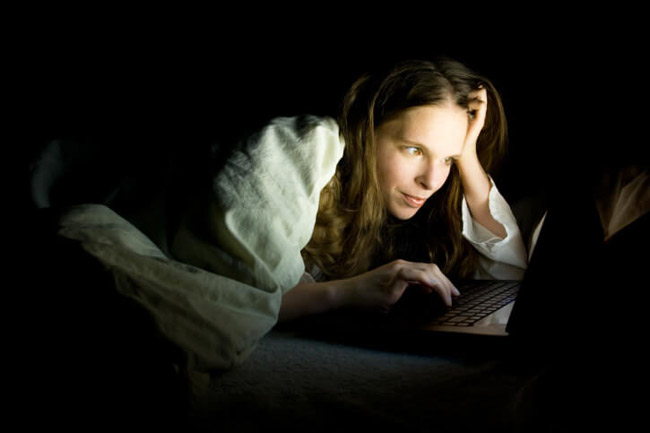
- Avoid working in poor light- The eye often finds it hard to focus in dimly lit conditions, which can be a cause of eye strain for someone reading in these conditions. People also tend to blink less while reading in dim light, which can result in a dryness of the eye which feels unpleasant. People who do a lot of reading at night often probably notice these problems, and try to counteract them by creating a well lit space with no glare for the purpose of reading at night in comfort.
- Avoid spending hours in front of a computer– Hours in front of a computer screen may increase the risk of glaucoma in people who are myopic or shortsighted. Aching, irritable eyes is a common complaint after maintaining a visual distance constant for much of the day in front of the computer, this means the muscles that control your focal lens have become fatigued.
- Learning some basic Bates method exercises– This is an alternative eye therapy based on the understanding that most vision problems are caused by tension of the muscles surrounding the eyeball.
- Eating a healthy diet- There are many nutrients found in fruit and vegetables which are good for the eyes. Include nutrients like lutein, Zeaxanthin, Meso-zeaxanthin, Co-enzyme Q10, Bilberry, Blueberry in your diet. Some of these nutrients are found in green, leafy vegetables such as spinach and broccoli, collard greens, brussel sprouts, swiss chards as well as egg yolks. According to them, A study published in June 2009 found that individuals drinking a large glass of blueberry juice each day were able to recover far more quickly from light-induced damage than those who were not. It is also important to eat oily fish as it supplies the body with DHA and omega-3 fatty acids. These help provide structural support to cell membranes in the eye. Sardines, mackerel and tuna are recommended for people with dry eye, age-related macular degeneration and also for everyone to help preserve good eyesight for longer.
- Taking regular exercise to increase the blood supply to the eyes- Getting plenty of exercise will benefit your eyesight as it increases the amount of oxygen in the eye. Exercise can help the supply of oxygen to the optic nerve and can help to lower pressure in the eye. Reducing pressure in the eye is important to control conditions such as glaucoma and ocular hypertension. Exercise such as walking, cycling, running and swimming can also help to control the progression of diabetes which can lead to diabetic retinopathy. It is recommended to spend at least 30 minutes a day five times a week exercising. However, always check with your GP before you embark on any new exercise programme.
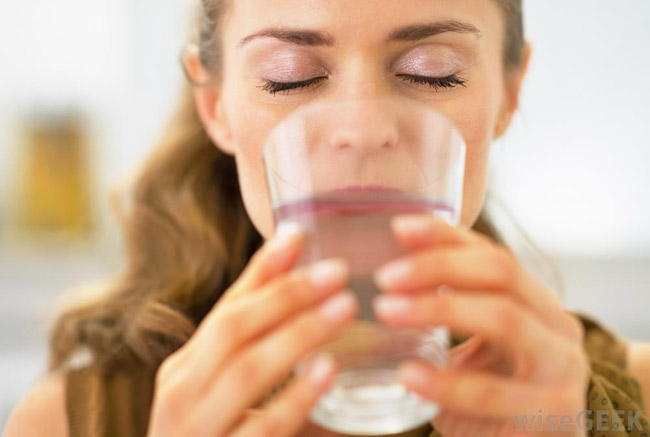
- Drink plenty of water on a daily basis. Water is essential for the whole body to function properly and that includes your eyes. If you do not drink enough water you may become dehydrated which can lead to dry, sore and irritated eyes. It is advisable to drink at least 1.5 litres of water a day and more if you are doing a lot of exercise or if the weather is hot.
- Avoid Smoking- Cigarettes have a catastrophic effect on eye health, causing inflammation, retinopathy, optic nerve damage, dry eye and cataracts. Give up for optimal health.
- Wear sunglasses in bright light- Exposing your eyes to too much of the sun’s UV rays is one of the most damaging threats to their long-term good health. It’s worth spending a little extra on good quality sunglasses with a high level of UV protection in the lenses.
This is a series of eye exercise that may help to improve vision.
- Splash the eyes with warm water 10 times and then cold water 10 times to increase blood circulation to the eyes.
- Twice a day, rest your elbows on a table and cup your hands over your eyes. Allow yourself to relax for 10 minutes. If you do a lot of close up or computer work try to do this for one minute on a regular basis.
- Try not to stare rigidly at any object for a long period of time. Every five minutes look away briefly and focus on something else for a few seconds.
- To strengthen the eye muscles, hold one index finger 10cm/4in in front of your eyes, and place the other index finger at arm’s length behind it. Focus with both eyes on the nearest finger for a few seconds, blink, and then focus on the distant finger. Repeat this exercise 10 times, blinking between each change of focus to lubricate and clean the eyes.
It is important to look after your eyesight to prevent your vision deteriorating and to prevent the development of eye diseases.
Related Links
Disclaimer
The Content is not intended to be a substitute for professional medical advice, diagnosis, or treatment. Always seek the advice of your physician or other qualified health provider with any questions you may have regarding a medical condition.