Stress is known to rob the body of essential vitamins and minerals, yet a healthy diet can help the body fight back. Make sure you compensate for any shortfalls by eating foods that are rich in the following nutrients.
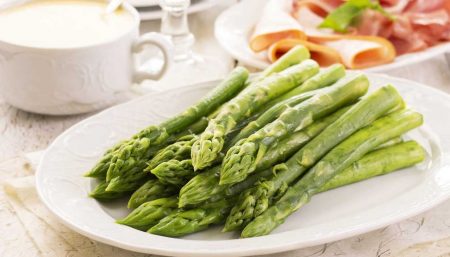
 The B-complex group Research shows that unhealthy levels of essential B-vitamins like B1, B3, B6, B9 and B12 may contribute to poor mood and feelings related to anxiety and depression. Supplementing your diet with essential B-vitamins can have a direct effect on important neurotransmitters in the brain, such as serotonin, norepinephrine and dopamine. As well, evidence suggests that B-vitamins are important cofactors that help balance and metabolize neuro-toxic chemicals that have been linked to anxiety and depression related conditions. Generous supplies of B vitamins play a crucial role in how well you respond to stressful situations. These vitamins are necessary for your nervous system to function well. They also help to maintain a healthy digestive system and help to release energy from your cells. This is a crucial function, because your body’s demand for energy is increased during times of stress. B vitamins cannot be stored in the body for very long, so your stores need to be replenished every day. Foods that supply B vitamins include: Wholegrains, such as brown rice; yeast extract; dairy produce; lentils and other pulses; liver; green vegetables; seafood; lean meat; eggs; nuts; seeds; and dried fruit.
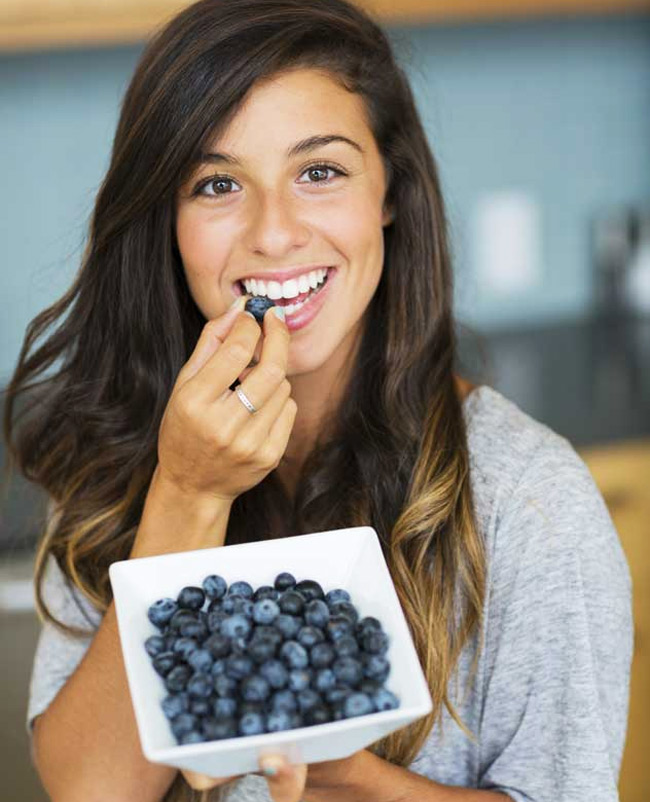
 Vitamin C In a recent population study in the USA, it was found that high doses of vitamin C actively reduced levels of stress hormones in the blood. Like the B-complex vitamins, vitamin C cannot be stored in the body. This is why many nutritionists believe that a person who is under long-term stress requires this nutrient in much greater quantities than the Reference Nutrient Intake (RNI) which is sufficient under normal circumstances. Vitamin C also helps to maintain the immune system which is weakened during times of stress. Foods rich in vitamin C include; citrus fruits (oranges, mandarins, lemons, limes and grapefruit) and berry fruits such as blackcurrants, blueberries, strawberries. Canteloupe melon and kiwi fruit are good sources, also vegetables – broccoli, Brussels sprouts, cabbage, potatoes, peppers and tomatoes.
 Magnesium is excreted in larger amounts when you’re under stress; also, a shortage of this mineral activates the stress response. Magnesium deficiency leads to muscle tension and cramps. The stress response involves the influx of calcium into cells, resulting in a drastic change in the cells’ internal magnesium-to-calcium ratio. Normal cells contain 10,000 times more magnesium than calcium. If the amount of cellular magnesium falls, however, calcium flows into the cell. With such an imbalance, calcium puts the cell into a hyperactive state. This can cause muscle contraction and lead to painful cramping. The muscles need magnesium in order to relax and is key to stress management and stress relief. Magnesium is found in wholegrain cereals, nuts, pulses, sesame seeds, dried figs and green vegetables.

 Calcium is needed for the good functioning of the nerves and muscles and, like magnesium, it is needed in greater amounts during times of stress. Choose low-fat sources of calcium such as semi-skimmed or skimmed milk, low-fat yoghurt and cheese, pulses, leafy green vegetables and canned fish.
 Low levels of zinc are common among those suffering from stress. It is essential for boosting the immune system and fighting infections. It is found in oysters, red meat, nuts, sunflower seeds, egg yolks, dairy produce and wheatgerm.
 Copper, which protects your immune system.
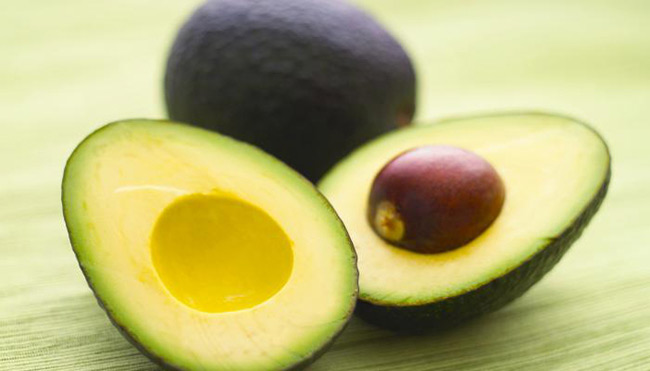
 Potassium, which helps your nervous system to function properly.
 Chromium, which helps to control your blood cholesterol levels and protect your heart and circulation.
 Iron, which is essential to make the haemoglobin in red blood cells. These carry oxygen around the body, to combat fatigue and help to keep your breathing steady.
 Selenium, which protects the immune system and helps to produce and regulate various hormones (including the thyroid hormone).
Copper and zinc ions may stimulate protective cellular stress-signaling pathways such as the antiapoptotic phosphoinositide-3-kinase/Akt cascade and may stabilize proteins, thereby rendering them less prone to oxidation.
Make sure that you obtain the recommended levels of these vitamins and minerals. Good sources include wholegrain cereals, dairy produce, pulses, fish and shellfish, eggs, nuts and red meat. Vitamin E whose significance is still under research is believed to act as an anti oxidant. Nuts, germ oils and green leafy vegetables are rich in Vitamin E. Its anti oxidant property is used for relieving stress.
Disclaimer
The Content is not intended to be a substitute for professional medical advice, diagnosis, or treatment. Always seek the advice of your physician or other qualified health provider with any questions you may have regarding a medical condition.