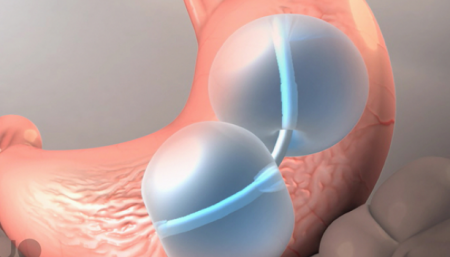
According to a recent study, the size of the stomach–and not just the size of the body–appears to affect the feeling of fullness, or satiation, during and after a meal.
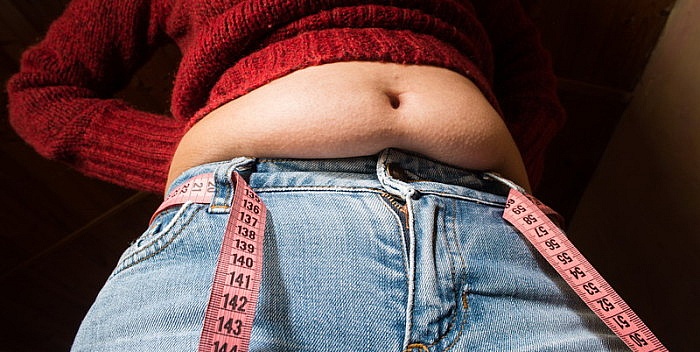
The findings suggest that factors that control stomach volume, independent of body size, are potential targets in fighting obesity.
The investigators found that compared with normal-weight adults, those who were overweight or obese took longer to feel satiated at mealtime. Similarly, those whose empty stomachs were larger needed more calories to feel completely full.
It was not, however, merely a matter of bigger people having bigger stomachs, according to findings published in the journal Gastroenterology.
Instead, fasting gastric volume-the size of a person’s empty stomach-was related to a feeling of fullness independent of body size, researchers at the Mayo Clinic College of Medicine in Rochester, Minnesota, found. Their study included 134 healthy volunteers who, after an overnight fast, drank a liquid meal until they reached maximum satiation. Their stomach volume before and after eating was measured through non-invasive imaging.
The researchers found that both body mass index (BMI) and fasting gastric volume were independently linked to the time it took participants to become full, illustrating that stomach volume is determined by more than mere body size.
|
Hormone named, ghrelin, produced in the gut, may be the reason that the more people diet, the hungrier they feel–and the reason why so many dieters fail. In addition to acting on the brain to boost appetite, ghrelin also acts on other tissues to slow metabolism and reduce fat-burning. |
Moreover, the study suggests that factors governing stomach volume might help predispose people to obesity and could serve as targets for weight-control tactics.
These control mechanisms could range from:
- Eating patterns-such as whether a person eats small meals throughout the day or tends to binge-to
- Hormones, to
- The nerves that control stomach contraction and relaxation . The stomach is controlled by inhibitory nerves that trigger relaxation of the stomach muscles during a meal, in order to create a low pressure in the stomach when the food arrives. This relaxation can cause a five-fold increase of the stomach volume. Sensoric nerves control that a low pressure is kept until emptying. An intact and “balance” nervous system is mandatory for gastric motility.
Addressing these factors might then alter how long it takes a person to feel full. For example, changes in diet or patterns of food intake might do the job, as could medications that act on the nerves or hormones that control stomach volume, or other procedures or devices that change gastric volume.
Before any of this becomes reality, further research is needed to pinpoint the critical controls involved in determining stomach volume.
More on Obesity:
- Exercising portion control to prevent undesired weight gain
- First Federal Obesity Clinical Guidelines Released
Disclaimer
The Content is not intended to be a substitute for professional medical advice, diagnosis, or treatment. Always seek the advice of your physician or other qualified health provider with any questions you may have regarding a medical condition.