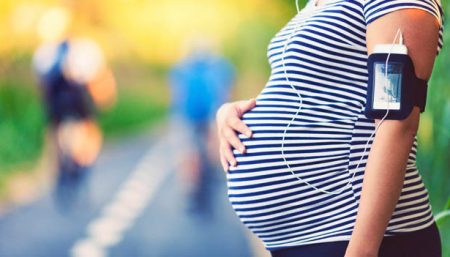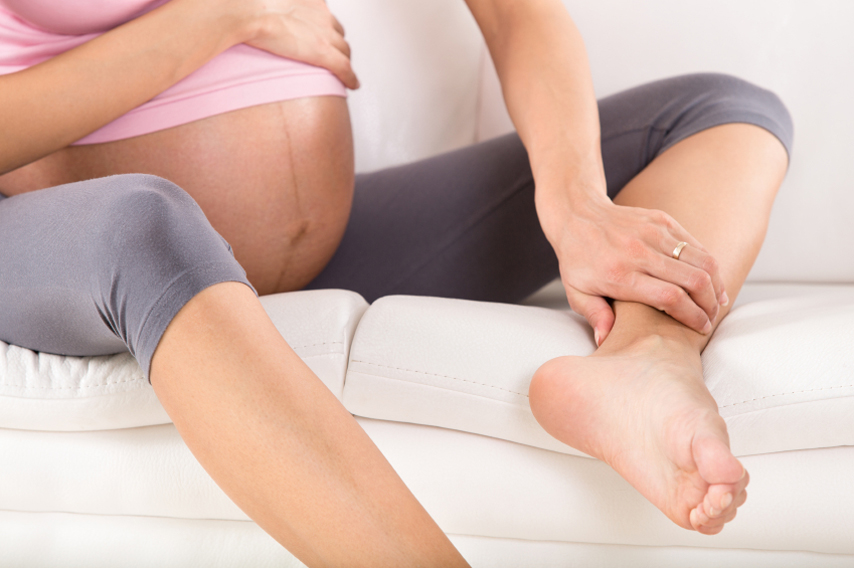
Weight gain and water retention during pregnancy cause significant physical changes that often lead to foot discomfort. Alteration in center of gravity due to weight gain can add pressure to the knees and feet. Posture and alignment can shift, and everyday movements like lifting, sitting, standing, and walking can be affected.
Common foot problems experienced by pregnant woman are over-pronation or flattening of the arch, and edema. These problems can lead to pain at the heel, arch, or the ball of the foot. Many women may also experience leg cramping, lower back pain, and varicose veins due to weight gain. Understanding the causes of foot pain and learning easy home treatments can help women step more comfortably throughout these special nine months.
Over-Pronation
Over-pronation, also referred to as flat feet, is caused when a person’s arch flattens out, due to extra weight bearing, and their feet roll inward when walking. This can create extreme stress or inflammation on the plantar fascia, the fibrous band of tissue that runs from the heel to the forefoot.
If flat feet are left untreated, serious disorders such as Metatarsalgia (ball of foot pain) and Plantar Fasciitis, (intense heel pain) can result. The condition can be avoided or treated, however, by wearing properly fitting footwear that provides extra arch support. Use comfortable athletic shoes, as well as over-the-counter orthotics that support the arches or cushion a painful heel or ball of the foot.
Edema
Another common foot condition brought on by pregnancy is edema, or swelling, caused by pressure from the uterus that leads to hampered circulation. The total water fluid in the body remains the same as before pregnancy, however it becomes displaced. Edema generally occurs later in pregnancy and is considered normal unless accompanied by swelling of the face or hands.
Prevention & treatment
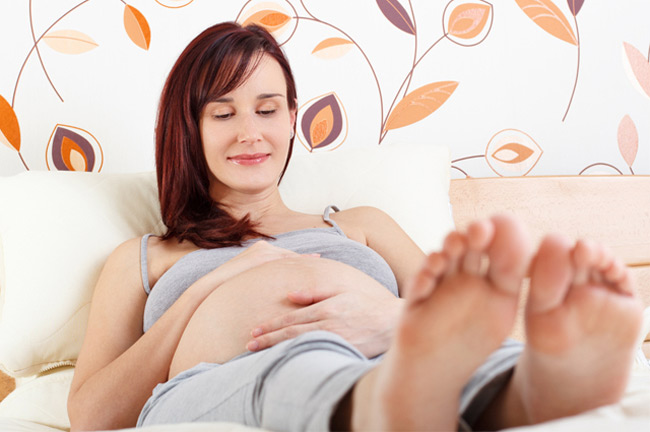
- Try to elevate your feet as often as you can.
- Don’t walk around barefoot: Wear a supportive shoe, one that has a rigid sole and bends only where the foot bends (at the toes)
- Wear shoes and socks that are spacious and do not constrict the feet
- Dry your feet and between toes after showers: Increased moisture between your toes can lead to skinbreakdown and eventual ulceration
- Have your feet measured regularly throughout your pregnancy to account for size alterations
- If sitting or driving for long periods, make sure you stand and walk about occasionally to aid circulation
- Exercise regularly to improve your circulation
- Be sure to drink plenty of liquids, since cutting back on fluids won’t diminish swelling. Your body — and your baby — needs at least eight 8-ounce glasses a day, as this helps rid your body of toxins.
- Avoid foods high in salt, which tend to promote water retention.
Swelling is usually the same in both feet. If one foot seems worse than the other this may be a sign of a vascular problem and you should get medical advice as soon as possible.
With all of the changes taking place during pregnancy, it’s important to remember that you are now walking for two.
Disclaimer
The Content is not intended to be a substitute for professional medical advice, diagnosis, or treatment. Always seek the advice of your physician or other qualified health provider with any questions you may have regarding a medical condition.