Meal planning is a time-consuming job when it’s done from scratch week after week. However, it doesn’t have be complicated. A small investment of time creating a menu plan can reap great rewards. In fact when meals are well-planned in advance there are lesser chances of a blow-out.
By understanding and incorporating these tips into your daily or weekly meal planning you can continue to enjoy food while you maintain a healthy weight.
1. Begin by gathering your favorite recipes.
 Jot down, flag pages of cook book or even print out your favourite recipes. In any event, bring them all to the table when you’re ready to begin. Note that if some of your recipes are so well-loved that you prepare them from memory and don’t even know where a printed version might be, you will have to jot down the name of the dish and the ingredients in order for the system to work.
2. Next, prepare an index of your recipes.
 Group them by categories of your choosing, such as: casseroles, soups and stews; chicken entrees; meat dishes; side dishes; and desserts. Under each heading, list the appropriate recipes and where they can be found.
3. Think of planning a meal as something like painting a picture.

Try to use creativity in your food selection and have contrasting colors to give interest to the meal. Use colorful vegetables sliced on a plate such as carrots, etc. Add garnishes such as parsley, a sprig of mint, or a sprinkle of paprika to give an added touch of color. Meals should be appealing as well as nutritional.
4. You need to plan for an entire day ahead of time.

Plan main dishes for every meal by including a variety of foods from all major food groups, grains, vegetables, fruits, proteins, dairy and fat ensures that you are getting the fiber, vitamins and minerals that you need. For example you have planned to serve a
chicken dish. A suggestion might be to serve a rice/macaroni dish along with the chicken. Then you need to think of selecting one or more fruits or vegetables to add nutritional balance to the meal. A salad should be planned and this is a very flexible dish. Have desserts that have other nutrients than the carbohydrates from sugar. You will also need to select a bread to serve with the meal and a beverage that will go with the main dish or the dessert.
5. Pull out these recipes and prepare a shopping list based on the requisite ingredients.

Compose your list on the back of the menu card. After returning from the store, post the menu card in a convenient place, such as inside a cabinet door, where it can be referred to as needed.
6. Build flexibility into your plan.

The way food is to be prepared should be carefully watched out to match time available for preparation. At-home days with more free time you can handle a fancy meal–or can signal soup, sandwiches and Cook’s Night Off. Running the evening kid carpool is a great time to plan for pick-up burgers. Make the routine yours, and it will serve you well.
7. Try not to serve more than one starchy vegetable at a meal.

A balanced combination of fat, protein, and carbohydrate helps slow digestion providing a steady glycemic response, meaning that the body gradually absorbs the carbohydrates over a longer period of time.
8. A meal is more attractive when the foods on the plate are different in sizes and shapes.

Try to balance rich foods with light foods.
9. Work in new dishes every week.
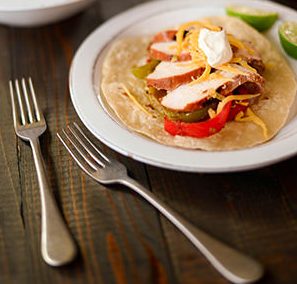
Designate a day of your choosing for trying a new healthy recipe each week. If the family likes it, you can replace an existing recipe on one of your menu cards with the new one. Keep a close track of the contents and nutritive information about the recipes.
10. Limit foods made with butter and lard(3-5 servings/day) and avoid foods that are deep fat fried.
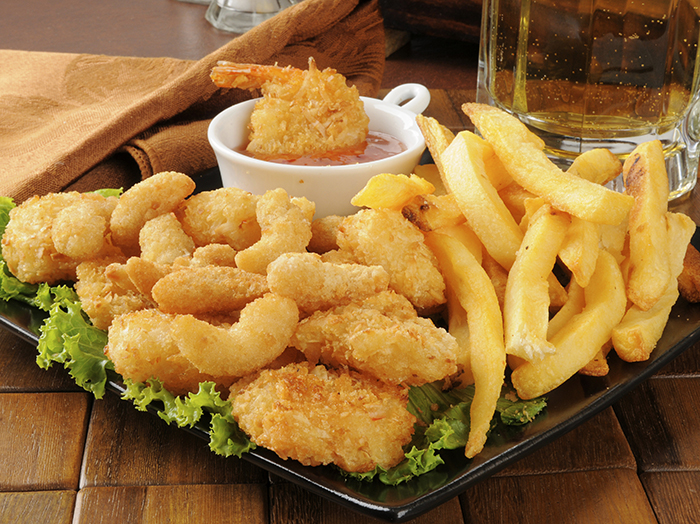
When adding fat to the diet, choose non-animal sources such as olive oil, peanuts, and avocado. To reduce your intake, switch to oils and margarines made from liquid oil. Also check a list of low-calorie, lower-fat alternative foods laid down by WF Team. Try to limit hydrogenated oils which have more saturated fat. Once you have switched the type, use the pyramid to make the right food choices to achieve a balance.
That’s it! The advantages of menu planning-a wide range of ready-made menus for you to choose from, saving on time, money, and unnecessary effort.
Disclaimer
The Content is not intended to be a substitute for professional medical advice, diagnosis, or treatment. Always seek the advice of your physician or other qualified health provider with any questions you may have regarding a medical condition.