National HIV Testing Day (NHTD) is an annual campaign produced by the National Association of People with AIDS (NAPWA-US) to encourage at-risk individuals to receive voluntary HIV counseling and testing.
Why test for HIV?
When it comes to HIV (human immunodeficiency virus) disease, knowledge is power. HIV disease commonly involves a lengthy period – as long as a decade – between infection and the development of symptoms. People who know they are HIV infected can be monitored for changes in their condition and for possible treatment, even before symptoms appear. Individuals who know they are infected with HIV can also aid prevention efforts by taking the necessary precautions to avoid spreading the disease through unprotected sex or sharing needles.
Tests for HIV
There are three main types of HIV test.
The first type of test is the HIV antibody test. This test shows whether a person has been infected with HIV, the virus which causes AIDS. Information on this page concentrates on HIV antibody testing.
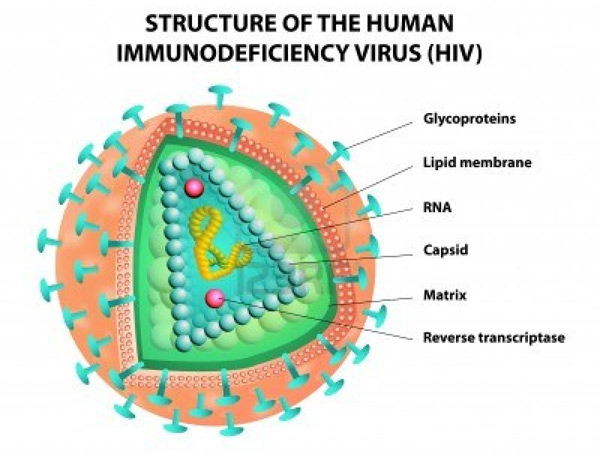
The second type of test is P24 antigen testing. It is primarily used to screen the blood supply but in some places it is used for testing for HIV in individuals. P24 antigen is a protein that is part of the HIV. Early in the infection, it is produced in excess and can be detected in the blood serum by a commercial test. The P24 test can detect HIV infection before the HIV antibody test can. Therefore, P24 antigen testing is used in diagnosing HIV early in the course of infection.
How does it spread ?
When HIV (which is a virus) enters a person’s body, special chemicals are produced. These are called antibodies. Antibodies are the body’s response to an infection. So if a person has antibodies to HIV in their blood, it means they have been infected with HIV (an exception is the case of an HIV negative baby born to a positive mother, who will retain her antibodies for some months).

Antibody
For most people it takes 3 months for these antibodies to develop. In rare cases, it can take up to 6 months. It would be extremely uncommon to take longer than 6 months for antibodies to develop.
Getting tested earlier than 3 months may result in an unclear test result, as an infected person may not yet have developed antibodies to HIV. The time between infection and the development of antibodies is called the window period. In the window period people infected with HIV have no antibodies in their blood that can be detected by an HIV test. However, the person may already have high levels of HIV in their blood, sexual fluids or breast milk. HIV can be passed on to another person during the window period even though an HIV test will not show that you are infected with HIV. So it is best to wait for at least three months after the last time you were at risk before taking the test. Some test centres may recommend testing again at 6 months, just to be extra sure.
It is also important that you are not at further risk of getting infected with HIV during this time period. The test is only accurate if there are no other exposures between the time of possible exposure to HIV and testing.
The only way to know for sure whether you are infected with HIV is to have an HIV antibody test. It is not possible to tell from any symptoms
Disclaimer
The Content is not intended to be a substitute for professional medical advice, diagnosis, or treatment. Always seek the advice of your physician or other qualified health provider with any questions you may have regarding a medical condition.