Heartburn (Acid Reflux) is a digestive problem: it has nothing to do with your heart. It occurs when small amounts of stomach acid accidentally rise up the esophagus (the food canal running from the mouth to the stomach) causing symptoms like a burning pain in thechest which rises towards the throat. Sufferers may even taste the fluid in the back of the mouth, and this is called acid indigestion. In many cases the pain and burning sensation is relatively mild, but sometimes is so severe that patients think they are experiencing a heart attack.
If heartburn symptoms are mild and occur only from time to time, usually you will be advised to make the following changes (indicated below) to your diet. The only way to find the right heartburn diet for you is to identify what triggers it in the first place. In cases of persistent heartburn, dietary improvements are not sufficient. So as well as advocating a digestion-friendly diet, your doctor is likely to recommend one or more of the following types of medication. Antacids to neutralize the acid in your stomach; H2 blockers or proton pump inhibitors to reduce acid production; or prokinetics to strengthen the lower esophageal sphincter and expedite stomach-emptying.
As a general rule, a high-fiber, low-fat diet is recommended. Check out the following diet tips to manage heartburn
Stop Eating Large Meals

A big meal distends the stomach and causes a rise in the production of stomach acid. Both these factors lead to an increased risk of heartburn. So opt for 4-6 small meals or snacks, and allow a maximum of 3 hours between eating. In addition, choose foods that are “easier on the stomach” and more more easily digested.
Avoid Acidic Food
Reduce your intake of very acidic foods by avoiding items such as: tomatoes, tomato-based sauces, citrus fruits, rhubarb, gooseberries, unripe fruit, vinegar and acidic pickles or relishes.
Cut Down On Fatty and Spicy Food
Fried or very fatty foods, including candy, encourage indigestion and should be avoided or eaten sparingly. So go easy on butter, mayo, sausages, salami, pate, meat pies, and full-fat cheese. The same applies to very spicy food such as: black pepper, chili peppers, curry, mustard and other hot spices, as well as raw onions and garlic.
Avoid Carbonated Drinks
Fizzy or carbonated soft drinks cause belching and upward pressure on the lower esophageal sphincter (LES), increasing the likelihood of heartburn. The best drinks include: water, herbal teas or diluted non-citrus fruit juices. Please also note that some soft drinks (eg. cocoa, coffee, orange juice) are not helpful for heartburn as they can over-relax the LES, thus encouraging the backward flow of acid from the stomach.
Eat More Fiber, Especially Soluble Fiber
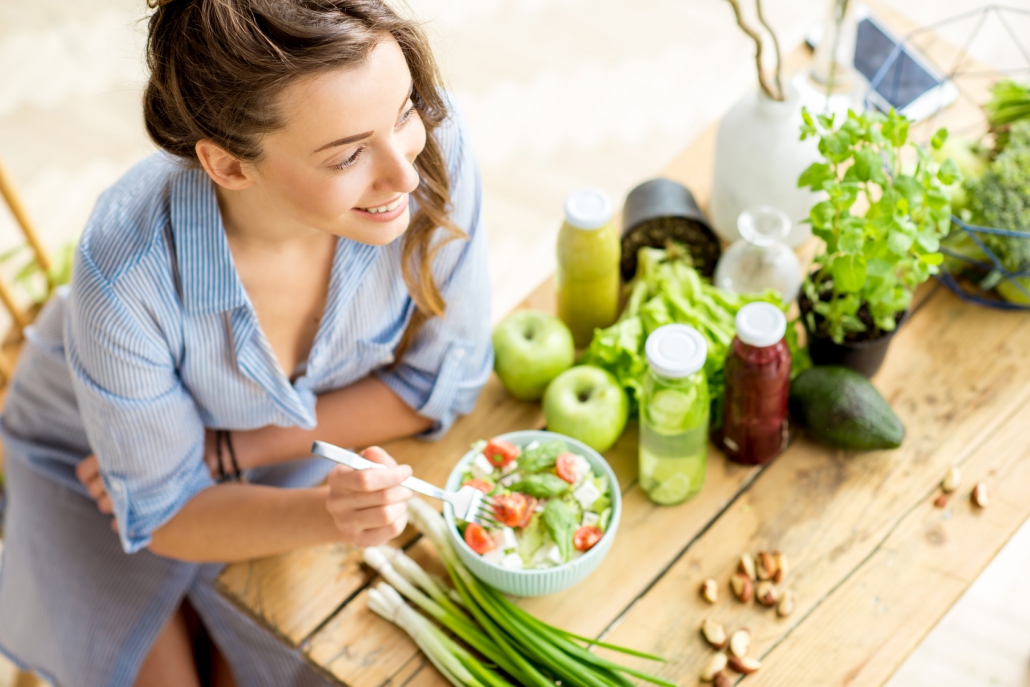
Constipation can lead to extra strain on abdominal muscles and increase the risk of heartburn. To prevent constipation, eat more high-fiber foods such as: oats, apples, pears, dried apricots and vegetables. When increasing fiber intake it’s also important to increase your water intake by at least 40 fl oz a day.
Reduce Alcohol Consumption
Alcohol is not helpful to heartburn for several reasons. So take steps to reduce your intake to one unit a day, or avoid it altogether. Alcohol is also a source of non-nutritious calories and can contribute to overweight.
If Overweight, Switch To A Healthy Weight Loss Diet
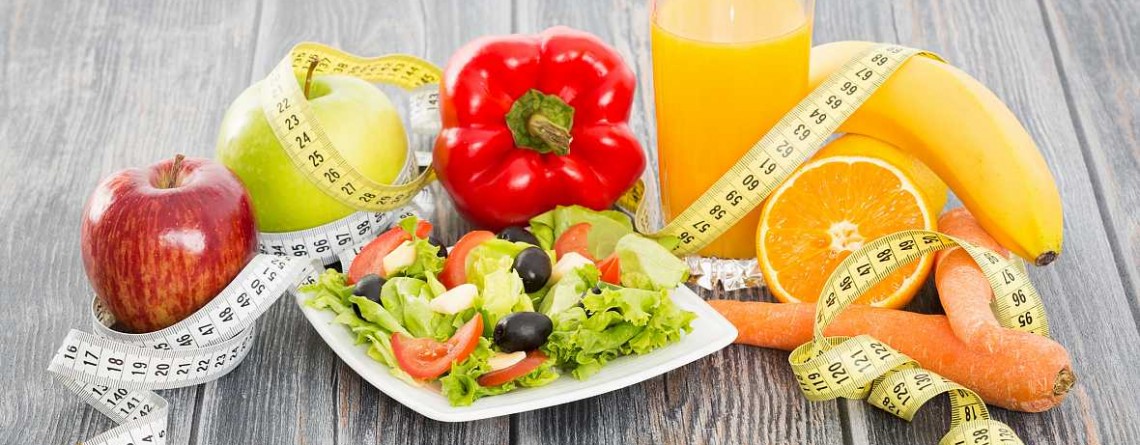
Obesity, especially excess fat on the chest and abdomen, is a common contributory factor to GERD and hiatal hernia, and therefore to heartburn. So if you are obese (BMI > 30), take steps to normalize your weightand thus reduce your risk or symptoms of heartburn.
Other Digestive Tips
For digestive disorders like heartburn, some dietitians and alternative health experts recommend patients to eat (or cook with) digestion-friendly aromaticherbs like basil, camomile, caraway, dill, fennel, rosemary and thyme. They also recommend that you end each meal with a glass of herbal tea (eg. camomile, fennel) to reduce acidity and wind.
| Food Group | Foods With Little Potential to Cause Heartburn |
| Fruit | • Apple, fresh • Apple, dried • Apple juice • Banana |
| Vegetables | • Baked potato • Broccoli • Cabbage • Carrots • Green beans • Peas |
| Meat | • Ground beef, extra-lean • Steak, London Broil • Chicken breast, skinless • Egg whites • Egg substitute • Fish, no added fat |
| Dairy | • Cheese, feta or goat • Cream cheese, fat-free • Sour cream, fat-free • Soy cheese, low-fat |
| Grains | • Bread, mult-grain or white • Cereal, bran or oatmeal • Corn bread • Graham crakers • Pretzels • Rice, brown or white • Rice cakes |
| Beverages | • Mineral water |
| Fats / Oils | • Salad dressing, low-fat |
| Sweets / Desserts | • Cookie, fat-free • Jelly beans • Red licorice • Potato chips, baked |
Foods to be consumed in moderation on the acid reflux diet
| Food Group | Foods To Be Consumed With Discretion |
| Fruit | • Orange juice, low-acid • Apple cider • Peach • Blueberries • Raspberries • Strawberries • Grapes • Cranberries, dried |
| Vegetables | • Garlic • Onion, cooked • Leeks • Sauerkraut • Scallions |
| Meat | • Ground beef, lean • Chicken salad • Scrambled eggs, in butter • Eggs, fried • Fish, fried • Tuna salad • Hot dog, beef or pork • Ham |
| Dairy | • Yogurt • Milk, 2 percent or skim • Frozen yogurt • Cottage cheese, low-fat • Cheddar cheese • Mozzarella cheese |
| Grains | • Garlic bread • Muffin • Granola cereal |
| Beverages | • Non-alcoholic wine • Beer • Non-alcoholic beer • Cola • Root beer |
| Fats / Oils | • Ketchup |
| Sweets / Desserts | • Cookie, low-fat |
Disclaimer
The Content is not intended to be a substitute for professional medical advice, diagnosis, or treatment. Always seek the advice of your physician or other qualified health provider with any questions you may have regarding a medical condition.