
Birth control Pills are basically oral contraceptives, used by women to avoid unwanted pregnancy. These contraceptive pills mainly contain two hormones estrogen and progesterone, which are synthetic versions of the natural female hormones. They primarily function by preventing ovulation. The pill also works by thickening the mucus around the cervix, which makes it difficult for sperm to enter the uterus and reach any eggs that may have been released. The hormones in the pill can also sometimes affect the lining of the uterus, making it difficult for an egg to attach to the wall of the uterus.
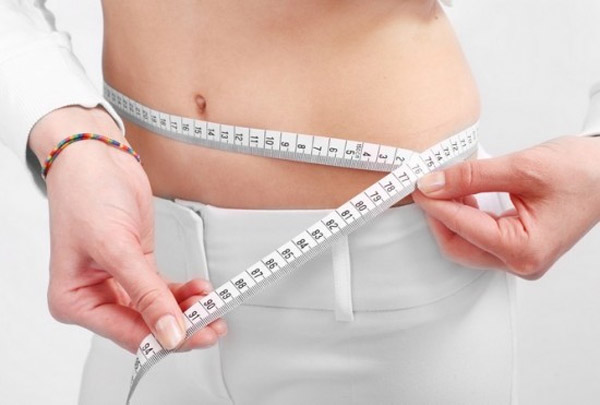
Many women who are taking birth control pills are very happy to avoid unintended pregnancy but are blaming oral contraceptives for weight gain and fluid retention at the same time. Well, it is the undeniable fact that pills do cause weight gain in some women but not necessarily be the prime cause for all women.
How much weight gain could be possible on birth control pills?
It is usually argued that birth control pills, specially higher dose of estrogen pills (more than 30 mcgm), cause more weight gain than birth control injection like Depo Provera. Studies have revealed that women using high dose pills tend to gain 5.3 lb in a year compared to women who are taking Depo Provera as contraception and gaining 6.6 lb (2.2 kg) in a year’s time.
Moreover, most of the recent studies on lower estrogen hormone based pills (30 mcgm or less) have shown weight loss or no change, if continued to take for a year.

Birth control pills may cause fluid retention?
It can not be denied that pills containing high doses of estrogen may cause fluid retention in the body, specially if the pill has 50 mcgm estrogen or more. High doses of estrogen stimulate kidney-substances like renin-angiotensin, which is responsible for water retention that again causes sodium (salt) retention that ultimately causes the weight gain. Studies on different levels of estrogen based birth control pills revealed that pills having less than 20 mcgm estrogen reduce weight, 30 mcgm pills make no difference in the weight or nominal loss of weight whereas 50 mcgm pills cause fluid retention and weight gain.
The more estrogen there is in a pill, the more tendency to gain weight such that a 50 mcgm pill will result in more weight gain than a 35 mcgm pill |
Do birth control pills stimulate your appetite?
There have been reports through the years, especially with the older, higher dose pills, of adverse effects on insulin resistance. Even recent studies seem to indicate that current pills can raise insulin levels. Insulin resistance is a condition in which insulin levels rise in response to carbohydrates and drive allenergy into the fat cells and essentially prevent weight loss even with dieting.
Not all women are susceptible to insulin resistance and thus not all women gain weight using oral contraceptives. Those that have a tendency to abnormal glucose metabolism, however may be the ones who gain weight. If a woman gains weight upon starting oral contraceptives and there are not other explanations, she should be checked out for possible insulin resistance.
If you are on birth control pill and experiencing more than 5% of your body weight gain in a year, it may be due to your body’s reaction to insulin resistance or abnormal glucose metabolism. You need to consult your healthcare professional to adopt low carbohydrate diet because high amount of sugar in any meal will offset your weight control efforts.
Are there other mechanisms by which pills cause weight gain?
In one study of pills, a formulation containing desogestrel as the progestin and slightly less estrogen had significantly less weight gain when compared to a pill containing norethindrone. This may imply that the specific progestin has a role in weight gain, possibly through a lesser degree of insulin resistance. Or it could be the combination of lower estrogen and the specific progestin but in any case, there was less weight gain. Currently marketed pills with desogestrel as the progestin are Desogen® and Ortho-Cept®.
Studies have shown that the effect of the birth control pill on weight is small — if it exists at all. Instead, you may be retaining more fluid, which can make you feel as if you’ve put on weight, particularly in your breasts, hips and thighs. The estrogen in birth control pills does affect fat (adipose) cells, making them larger but not more numerous.
In rare circumstances, women may add muscle, which can add weight, when taking the pill. This is due to the slight male-sex-hormone effect that the pill may have on some women. Whether this side effect shows up when you get on the scale or only when you look in the mirror, you may not like it. Taking pills with a low dose of estrogen may diminish the effect, but you may also experience a greater risk of spotting between periods.
Related Links
- Estrogen-Progesterone factor in weight gain vs. loss
- Preventing middle age weight gain: a hard job
- The Role of Salt in Good Health
- Carbohydrates: Do they cause weight gain?
- Outcome of YO-YO Dieting
- Choosing Contraception
- Fat Burners: Temporary fixes to weight loss
- Top 10 to enhance your Fat-Loss process
Disclaimer
The Content is not intended to be a substitute for professional medical advice, diagnosis, or treatment. Always seek the advice of your physician or other qualified health provider with any questions you may have regarding a medical condition.