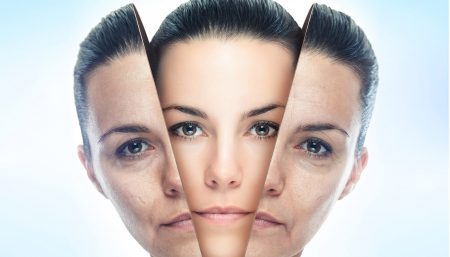
Botox has proved to be a little poison with unlimited health and beauty potential. A few precious drops can manage everything from frown lines, worry lines, upper lip creases, and neck cords, to excessive sweating and migraines.
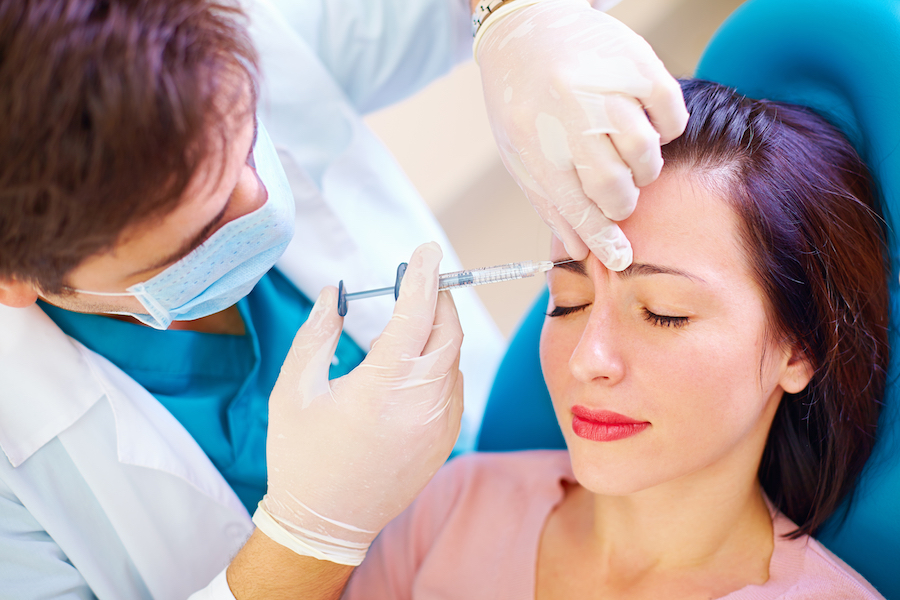
Botox is a trade name for botulinum toxin A. In this way, Botox is related to botulism. Botulism is a form of food poisoning that occurs when someone eats something containing a neurotoxin produced by the bacterium Clostridium botulinum. Botulinum toxin A is one of the neurotoxins produced by Clostridium botulinum.
Basically, the botulinum toxins block the signals that would normally tell your muscles to contract.
Where it works
- Vertical lines between the brows
- Lines at the bridge of the nose
- Crow’s feet or squint lines
- Horizontal forehead lines
- Lifting the droopy nasal tip
- Under eyelid creases, muscle rolls
- Decollete lines, neck bands
- Chin creases and dimples
- Drooping corners of the mouth
- Upper and lower lip lines
How Botox works
The toxin acts on the junctions between nerves and muscles, preventing the release of a chemical messenger, acetylcholine, from the nerve endings. Tiny amounts are injected into a specific facial muscle so only the targeted impulse of that muscle is blocked, immobilising the underlying cause of unwanted lines-muscle contractions- and prevent lines and wrinkles. Since the muscle can no longer make the offending facial expression, the lines gradually smooth out from disuse and new creases are prevented from forming. Untreated muscles are not affected, so a natural look expressions are maintained. Some areas are less suited to this procedure because the muscles are needed for expression and important functions like eating, kissing and opening the eyes. The goal is a softening of dynamic facial lines that won’t necessarily betray your wrinkle-reducing secret. There are various strains of Botulinum toxin. Type A is the potent and commonly used.
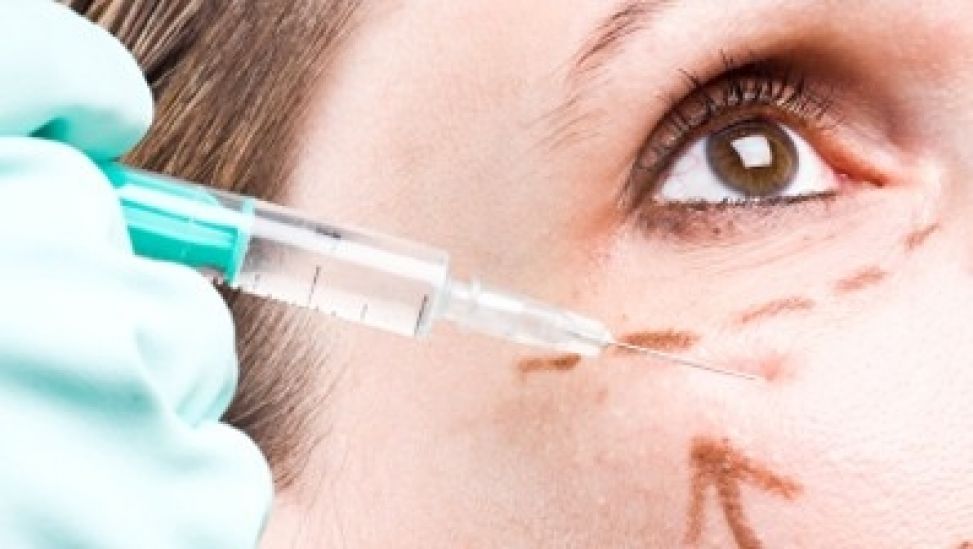
After Botox injection, the muscles will relax and the skin will smooth out over about 5 days. The effect usually lasts about six months, and can be repeated when needed.
Remember
- Have your first treatment with someone who comes highly recommended and has a lot of experience, so that you will know that is acceptable.
- Start small with one area, typically the lines between the brows of crow’s-feet. Once you see the results, you can have more areas worked on at your worked on at your next treatment.
- If you are squeamish about needles, ask your doctor for a topical anaesthetic cream or gel.
- To relieve the discomfort of the injections, apply an ice pack before and after treatment.
- If your treatment didn’t work, you may have been given an overly diluted solution and need more, or it could have been injected into the wrong spot. It is exceedingly rare to be resistant to it.
- Take along a concealer to cover needle marks or tiny bruises right after treatment. Have your Botox treatment at least a weak before any big social event.
- Don’t have a treatment without having eaten to avoid getting lightheaded.
- Botulinum toxin isn’t the answer for all your wrinkles. It doesn’t work as well on lines that are not entirely caused by muscle activity, like the nasal labial folds that are formed by a combination of muscle action and the weight of sagging skin.
Side Effects
If side effects occur, they’re usually temporary starting within the first week, but may persist for several months. The kinds of side effects depend on where Botox is injected. For patients with frown lines, the most common side effects include
- Headache
- Respiratory infection
- Flulike symptoms
- Droopy eyelids
- Nausea
Less frequent reactions include facial pain, redness at the injection site, and muscle weakness.
FDA has approved Botox for other conditions such as:
|
Botox can be used by almost anyone: patients who are pregnant, breastfeeding or who have a neurologic disease should not use Botox
Disclaimer
The Content is not intended to be a substitute for professional medical advice, diagnosis, or treatment. Always seek the advice of your physician or other qualified health provider with any questions you may have regarding a medical condition.