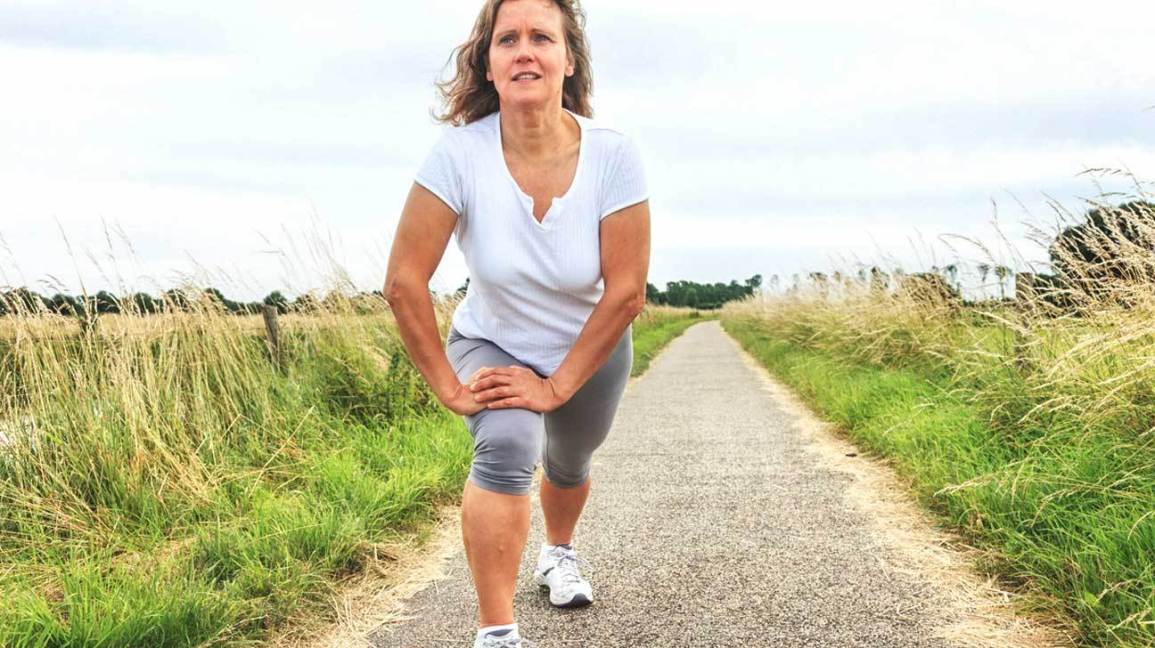
More and more women opt for walking as a form of cardiovascular exercise to burn calories and melt away the unwanted fat. Walking for fitness is certainly much more than going out for a stroll. It incorporates the muscles of the upper and lower body making it a GREAT aerobic activity.

Regular fitness walking strengthens and tones muscles; increases stamina, metabolism and energy; burns calories and fat; relieves stress; improves cardiovascular health; lowers blood pressure and reduces the risk of heart disease and osteoporosis. Best of all, it’s easy on the joints (low-impact) and light on the pocket.
Check out the following tips to add variety & intensity in your walking program.
|
|
- Maintain good posture throughout: Walk tall. Look forward, (not at the ground) gazing about 20 feet ahead. Your chin should be level and your head up. Shoulders down, back and relaxed. Chest forward. Tighten your abs and buttocks. Flatten your back and tilt your pelvis slightly forward. Pretend you are walking along a straight line. Bend your arms in slightly less than a 90 degree angle. Cup your hands gently. Swing arms front to back (not side to side – arms should not cross your body.) Do not swing elbows higher than your sternum (breast bone). Swing your arms faster and your feet will follow.
- Push off with your toes. Concentrate on striking with the heel, rolling through the step and pushing off with your toes. Use the natural spring of your calf muscles to propel you. Resist the urge to elongate your steps. To go faster — take smaller, faster steps. Pick up the intensity of your walking program by increasing the pace or distance of your regular walks.

- Breathe naturally. As you walk, take deep, rhythmic breaths, to get the maximum amount of oxygen through your system.
- After dropping the children off at school, drive to a quite spot such as a park on your route to work. Walk for seven minutes.
- If possible, take a 15 minute walk at lunch time. You can add strength training into the walking program by climbing 3-4 flights of stairs to walk up (do them very slowly) . Four flights of 15 steps at five inches per step means a 150 pound “weight lifter” has lifted 9,000 pounds! Stair walking works your buttock muscles. After a few more weeks, take the elevator down then walk back up. Great, you’ve just started interval training.
- In case you are in a job, leave office earlier than normal, or get home later, thus making space for your 15 minute stroll. Unwind as those work thoughts drift through your system.
- You can add intensity by walking hills instead of stairs. Don’t take your heartrate above 80 percent of your maximum until you’ve been exercising for 3 months though. Find a 2-5 % incline and walk at your regular pace up the hill. Try shorter steps at first. If you use a treadmill, simply raise the incline gradually to about 6 %. Add another one percent every couple of weeks until your form vanishes, then go back one percent to your natural comfort zone. Do the middle third of your exercise session at this higher intensity. Click here, to determine your target heart rate. Remember to walk slightly slower when you go up or downhill.
- Once you are comfortable walking at a quicker pace, it is time to add some light running. Start your workout with quick walk. Then pick out a tree or landmark on your course, and simply jog to it. Repeat this several times, increasing the distance and including brief walking periods in between the running.
- Add a strength training component (2-3 times per week) to increase overall muscle strength and toning.
Start with small, easily attainable goals, and work your way up gradually. Drink plenty of fluids. Bring a water bottle with you on your walk, and drink about 8-10 ounces of water for every 20 minutes of your routine to remain properly hydrated.
Last but not the least Keep a log of your time, distance walked, and calories burned for motivation.
Disclaimer
The Content is not intended to be a substitute for professional medical advice, diagnosis, or treatment. Always seek the advice of your physician or other qualified health provider with any questions you may have regarding a medical condition.