The seasonal changes that bring colder weather should not stop athletes from training and competing. Our eclectic panel of experts provide suggestions for preparing and protecting athletes for exercise in cold weather. Eight factors have been identified that influence the body’s response to exercise in the cold: level of aerobic fitness, skinfold thickness, gender, wind, water immersion, body surface area to body mass (weight) ratio, breathing and humidity.
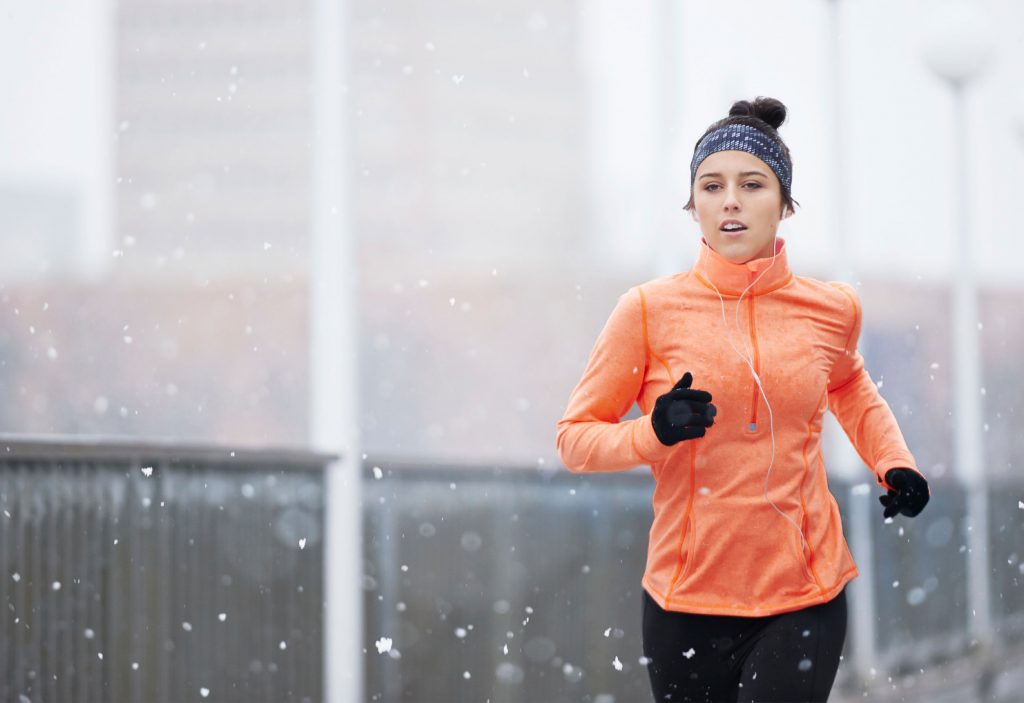
 Dress warmly– Layering is important, with the garments worn close to the skin of a fabric that allows sweat to escape away from the skin. The middle layer should insulate and protect from cold, windy and wet conditions. The outer layer should be wind and waterproof and include a zipper to allow for adjustments to weather conditions. Swimmers may want to use “artificial” clothing such as petroleum jelly spread over the body or certain areas of the body to help prevent heat loss. The fiber in athletic clothing can affect performance. Those that do not absorb sweat and allow cooling are best.
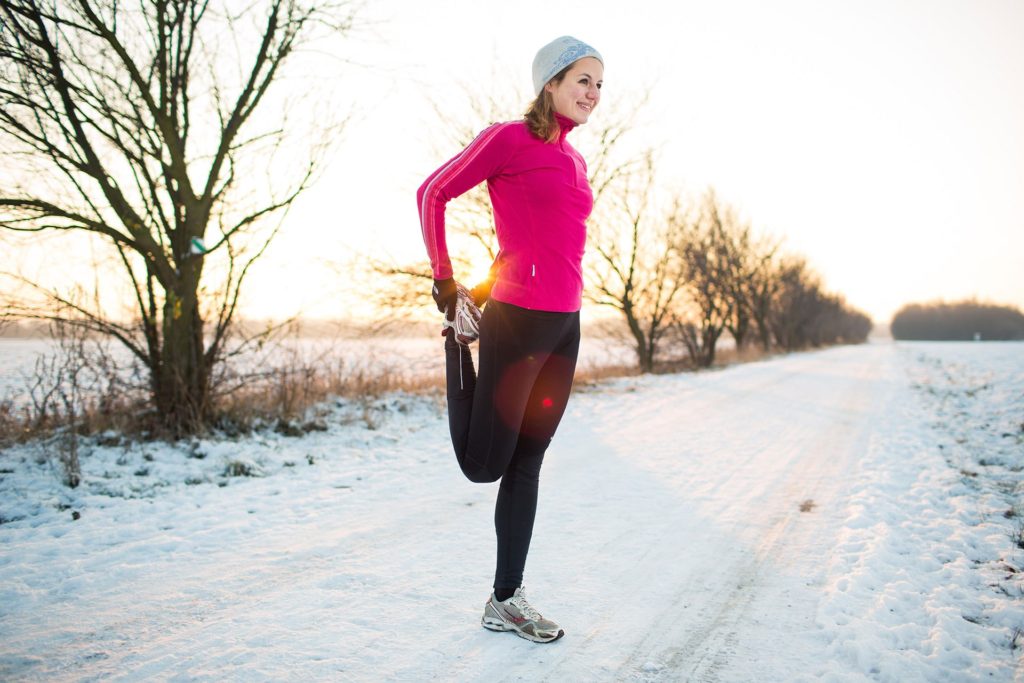
 Always Warm-up: In cold conditions, warm-ups need to be done as close as possible to the training start time, so the opportunity to cool-down is not as great. Warm-ups should also be more intense, longer in duration and done in heavier clothing.
 Monitor fluid loss. Research has shown that trainers do not drink as much as they should during cold conditions. Adequate fluid intake is important because sweating and non-sweating routes of fluid loss can induce dehydration, which can impair performance and thermoregulation. Athletes often think that they do not need to hydrate because it is cold. They may not have as much sweat on their body surfaces as in hot environments, but they “blow off” a fair amount of fluid through their rapid breathing Cold air is usually associated with dry air, thus there is an increase in respiratory water loss during cold-air exercise, emphasizing the important role of maintaining fluid consumption. Recent research by Seifert et al. (1998) demonstrated that ad-lib water ingestion by elite cross-country skiers was inadequate to minimize the disruption in fluid balance during 90 minutes of low intensity ski training. This implies that the athlete must make a deliberate, conscious effort to drink fluids, preferably a carbohydrate/electrolyte beverage, on a regular schedule during the workout.
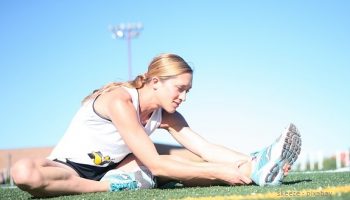
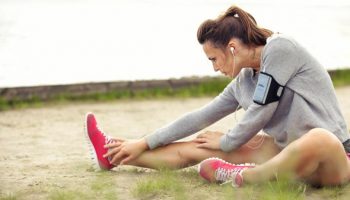
 Stretch before you go out : The motor control becomes impaired during winters, therefore one should always stretch after a warm up to avoid fall, sprains or injury. Remember, unaccustomed exercise such as pushing a car can bring on a heart attack or make other medical conditions worse.
Headbands, toe covers, booties, gloves mittens, arm and leg warmers, scarves and facemasks are types of clothing which may be used by athletes depending on what is appropriate for their sport.
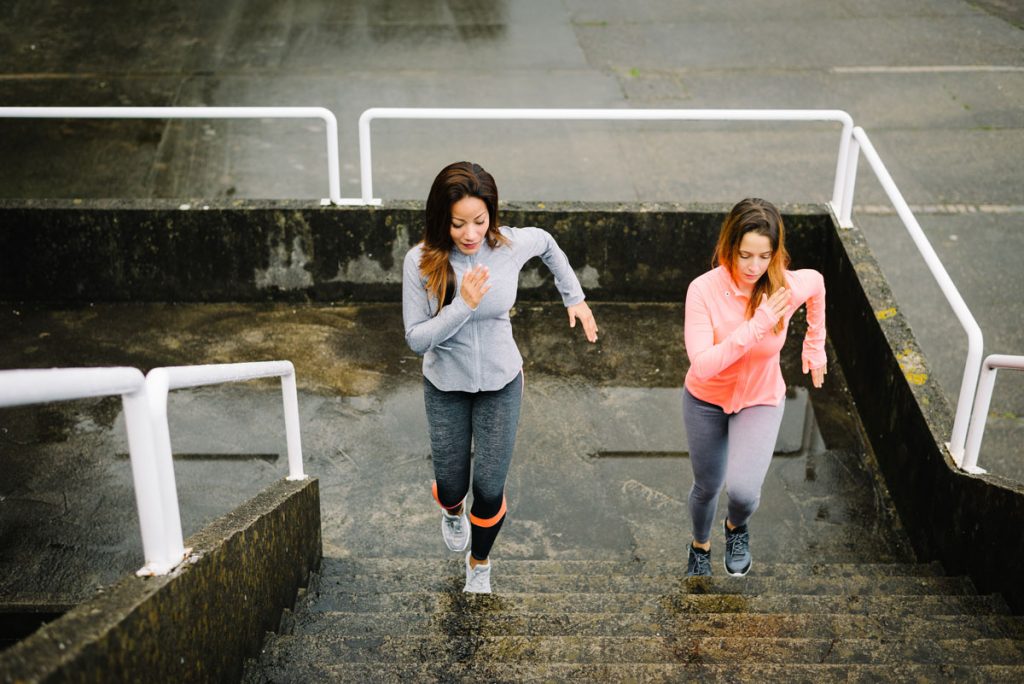
 Avoid Overexertion: Cold weather puts an added strain on the heart. During exercise, the athlete must anticipate fatigue caused by muscle glycogen depletion, which is a consequence of exercise and shivering.
 Try making up for carbohydrate depletion: With vasoconstriction and other blood flow alterations, circulating levels of free fatty acids could be reduced, in such a case carbohydrate utilization will be increased, and so will lactic acid production as the exercising muscle has a reduced amount of blood and thus oxygen available to it. Because the main metabolic fuel for shivering is carbohydrate, shivering during non-exercise periods may promote carbohydrate depletion. As fatigue occurs during prolonged exercise and exercise intensity is reduced, heat production will also be reduced. If carbohydrate use occurs to such an extent that hypoglycemia results, then the rate of shivering will be further reduced. Core temperature will drop and hypothermia can occur. Consumption of about 250 ml of a carbohydrate/electrolyte solution every 15-20 minutes during the exercise bout will help. With proper precautions, people can safely exercise outdoors at very low temperatures (-10ŞF or lower) with little risk of hypothermia.
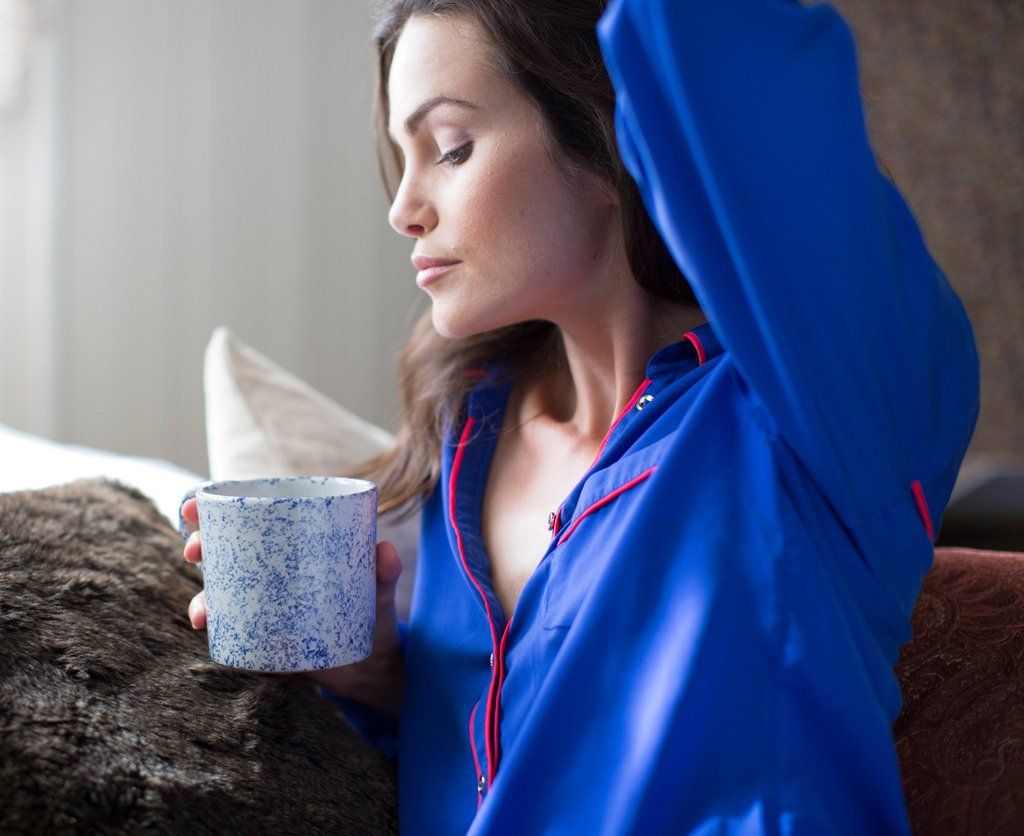
 Keep dry. Change wet clothing frequently to prevent a loss of body heat. Wet clothing loses all of its insulating value and transmits heat rapidly. Fabrics with good wicking capacity can quickly become soaked, increasing risk of hypothermia. Outerwear that can be easily removed allows for adjustments if becoming too warm.
 Add head covering, gloves, and socks to protect from exposure to cold dry air. Peripheral cold injuries are caused by the freezing of tissue. Be aware of cooling quickly during rest periods.

 Try to keep active. Sitting in one position for a long time will only make you feel colder.
 Do not drink alcohol when out of doors in cold, wet weather. It decreases stamina and mental sharpness and also causes heat loss.
Risks for cold exposure include frostbite, hypothermia and, in some athletes, exercise-induced bronchospasm (exercise-induced asthma) that may result from exposure to cold, dry air. To maintain proper thermoregulation and performance, precautionary measures should be followed as mentioned above.
Disclaimer
The Content is not intended to be a substitute for professional medical advice, diagnosis, or treatment. Always seek the advice of your physician or other qualified health provider with any questions you may have regarding a medical condition.