Have you heard the one about the fat-forming carbohydrate? Food & Nutrition is continually faced with the challenge of dispelling common myths about calories and weight management, ten such myths have been covered below:

Myth: Eating most of your calories in the evening promotes weight gain.
Fact: No matter when you eat them, you gain weight when you eat more calories than you burn off. However, mindless munching in front of the TV at night can push calorie intake over the top.

Myth: Fat free is calorie free.
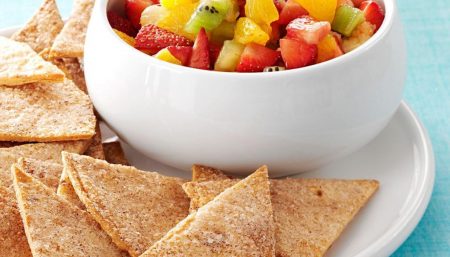
Fact: Some people indulge in extra-large servings of fat-free foods, such as cookies, cakes and crackers, without realizing that these foods may contain the same amount or even more calories than regular versions. Get the facts on fat-free foods by checking food labels for the serving size and number of calories per serving. Fruits and vegetables are naturally low in fat and calories. However, other low fat or no fat foods may still contain a lot of calories. To make such foods taste better, extra sugar, flour, or starch thickeners are usually added. These ingredients are high in calories and may lead to weight gain.
 Myth: Carbohydrates (or sugars) cause weight gain.
Fact: Carbohydrates do not cause weight gain unless they contribute to excess calorie intake. The same holds true for protein and fat. Findings from the National Weight Control Registry show that people who successfully maintain weight loss tend to eat diets that are higher in carbohydrates and lower in fat, in addition to watching their total calorie intake. However, some people who eat a diet that is extremely high in carbohydrates and low in protein and fat get hungry sooner, which may trigger overeating.
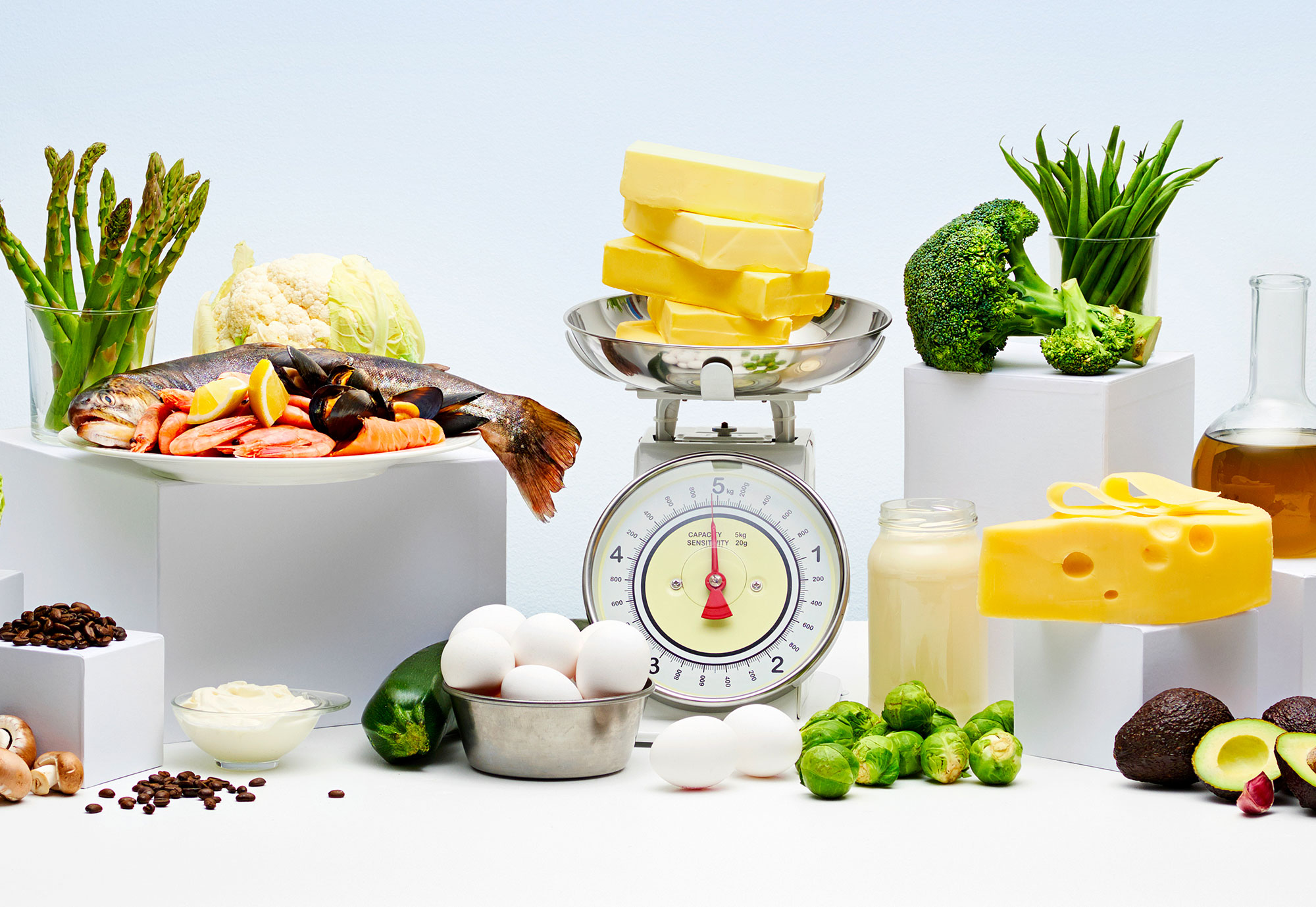

Myth: High-protein diets cause ketosis, which reduces hunger.
Fact: Ketosis occurs when fat is used as an energy source instead of carbohydrate during a high-protein diet. Ketone bodies are produced, which turn your breath a bad “fruity” odor. Ketone bodies do not reduce appetite, however, eating sufficient protein for your body type can help reduce hunger and support weight loss.
These diets may help you lose weight fast – but most of this weight that you lose would constitute water weight and lean muscle weight instead of fat. The best way to lose weight and keep it off without harming your body is by following a reduced-calorie diet that is well balanced between carbohydrates, proteins, and fats.

Myth: Yoghurt is the perfect diet food. Many dieters swear by it, but some yoghurt can be as fattening as ice cream. Greek yoghurt has 10 pc fat.
Fact: Yoghurt is good for people of all ages. Yoghurt is also important for those wanting to lose weight. As a milk product, yoghurt is naturally rich in calcium. Research shows that calcium helps reduce weight gain. Even small changes in the calcium levels of fat cells can change signals within the cell that control the making and burning of fat. What needs to be remembered is no one food is going to prove magic, it is a combination of effective diet and exercise plan that will really work. Avoid yoghurt that contains added sugars or sweetened fruit, as these upset the delicate chemical balance that allow the cultures to thrive. Sugars also feed the growth on unwanted yeasts, so you’re better off without it!

Myth: Exercise makes you eat more. Often people shy away from doing exercise using this excuse.
Fact: However, research has shown that after 20 minutes of exercise people ate no more than those who had done nothing. The only difference was that those who had exercised thought the food tasted better.

Myth: Extra protein makes you strong.
Fact: The body has tremendous reserves and is very adaptive. The idea that you have to eat specified foods in specified amounts every day to maintain performance is unsound. You do not need to starve yourself to lose weight. When we are active, our body uses its own fat and carbohydrate for fuel. A diet that includes animal and vegetable protein supplies all the body needs to replenish its stores. There is no super diet for super performance. Besides, high protein diet often lack key nutrients found in carbohydrate foods. You need every kind of food. Avoiding any kind of food is just as wrong as ingesting food supplements.
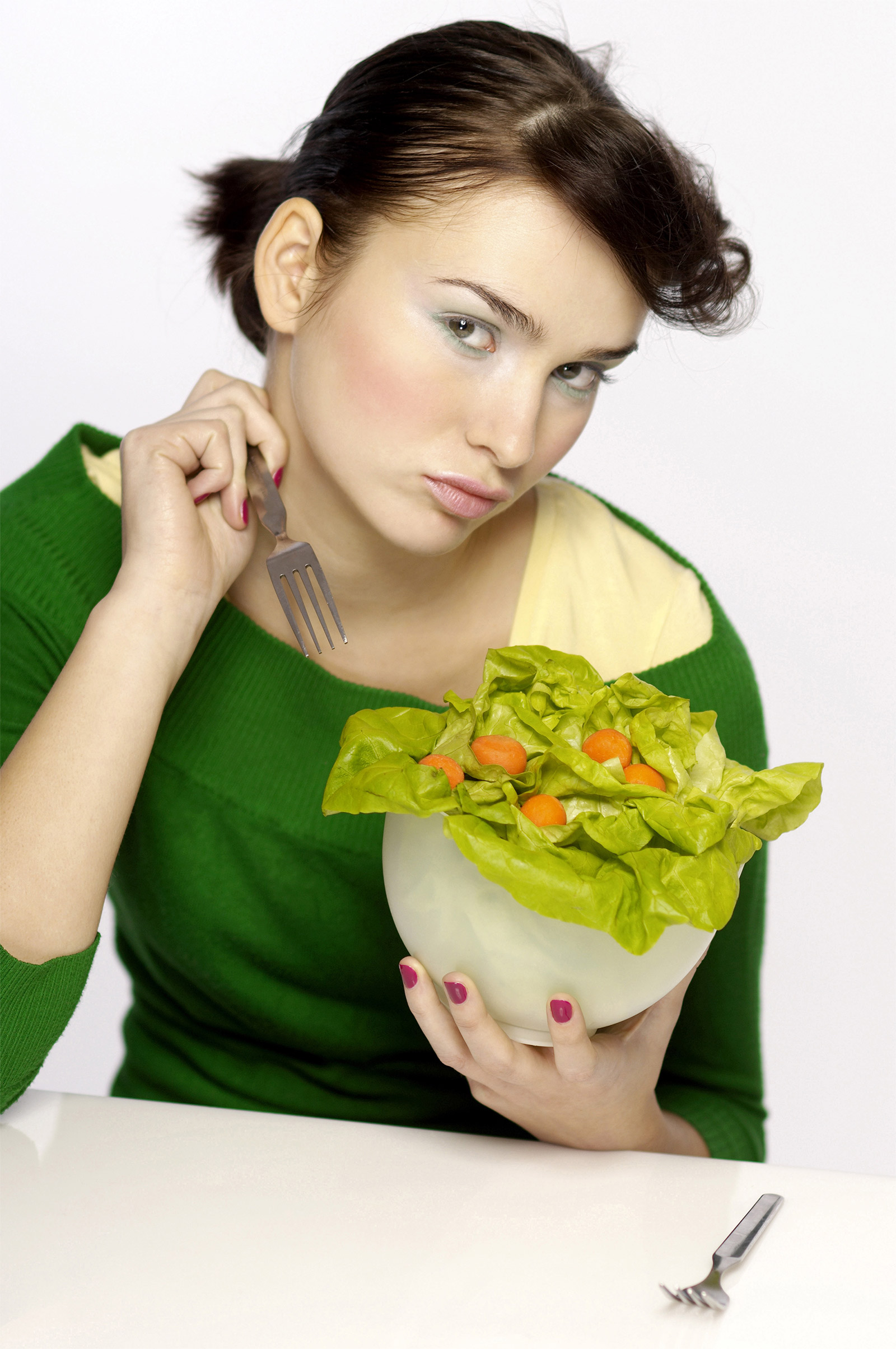

Myth: Lettuce makes your figure slim.
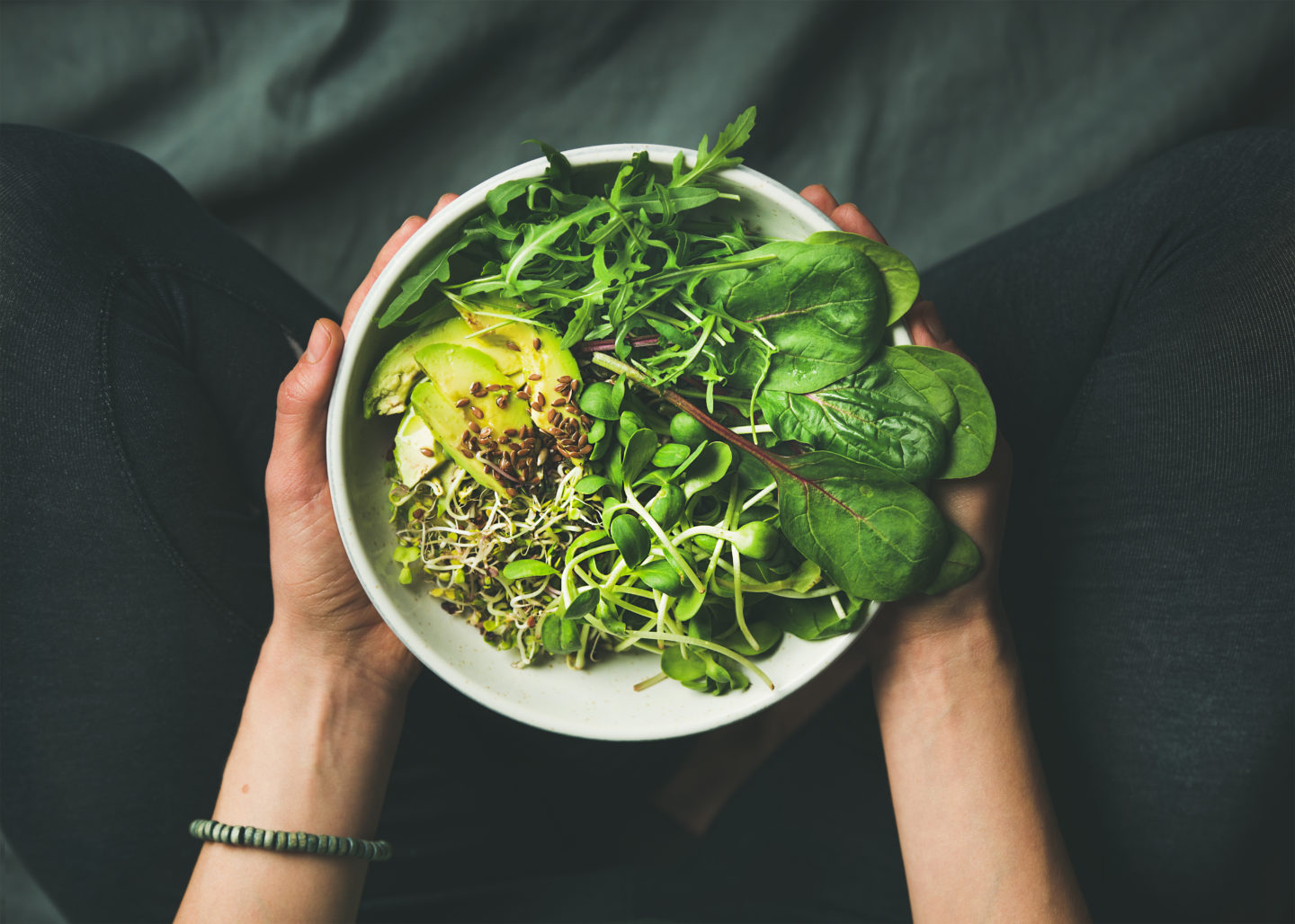
Fact: The theory adopted behind this fact is that, you can eat a food with low energy density, such as lettuce, and consume a huge amount for few calories. This belief is true to some extent as lettuce leaves practically do not contain calories. A tablespoon of butter has the same number of calories as 10 cups of leaf lettuce. However, generally they are not eaten alone and most lettuce sauces are high in fat.
Research suggests that losing ½ to 2 pounds a week by making healthy food choices, eating moderate portions, and building physical activity into your daily life is the best way to lose weight and keep it off. By adopting healthy eating and physical activity habits, you may also lower your risk for developing type 2 diabetes, heart disease, and high blood pressure. |

Myth: You can burn fat by eating certain foods, like grapefruit and cabbage soup.
Fact: The grapefruit diet
require you to eat half a grapefruit before every meal to reap the benefits of the fruit’s so-called fat-burning enzymes. Calories typically are limited to fewer than 800 a day, although some versions require that you eat until you are full. Grapefruit has no fat, is low in calories and sodium, and is packed with vitamin C. But the very low calories — and deficits in protein, fiber and several important vitamins and minerals — can make this diet dangerous. Similarly, the cabbage soup diet proponents report feeling lightheaded and weak because the diet is too low in protein, vitamins and complex carbohydrates. You may lose weight, but you’ll probably be too queasy to enjoy it. Remember, no foods can burn fat. Caffeine-rich foods may speed up your metabolism rate for a short time. However, they do not cause any weight loss. The best way to lose weight is to reduce the number of calories you eat and increase your physical activities.

Myth: Processed foods are not as nutritious as fresh foods.
Fact: Many processed foods are just as nutritious or in some cases even more nutritious than fresh foods depending on the manner in which they are processed.
Frozen vegetables are usually processed within hours of harvest. There is little nutrient loss in the freezing process so frozen vegetables retain their high vitamin and mineral content. In contrast, fresh vegetables are picked and transported to market. It can take days or even weeks before they reach the dinner table and vitamins are gradually lost over time no matter how carefully the vegetables are transported and stored.
Some processed foods, such as breads and breakfast cereals, have vitamins and minerals added for extra nutrition. In fact, the growing interest in health and nutrition has spurred the production of a whole new range of foods with added health and nutritional benefits (called “functional foods“) such as fat spreads with added fibre to lower cholesterol.
Processing can also make some nutrients more available. For example, removing phytic acid from grain foods by removing the bran helps to improve the absorption of iron from a food. Processing tomatoes into a tomato paste or sauce increases the amount of lycopene (an antioxidant) that is available to the body.
Disclaimer
The Content is not intended to be a substitute for professional medical advice, diagnosis, or treatment. Always seek the advice of your physician or other qualified health provider with any questions you may have regarding a medical condition.