A salad may seem like a better choice than, say, a burger. But garnish your greens with the wrong choices, and you might just as well eat the ground round – and may be even some fries on the side.
Note: Salad dressing is the biggest source of fat in a woman’s diet.
The salad, of course, has a place in a healthy diet-if you know how to navigate the salad bar. The following tips can help you create salads that draw the line at fat and calories.
 Turn over a new leaf:
Iceberg lettuce is standard at most salad bars, but truth be told, it doesn’t hold a candle to its darker green brethren in terms of nutrient content. Romaine lettuce, for example, has twice as much calcium and iron and eight times as much vitamin A and vitamin C as iceberg. As a good rule of thumb, the darker your leafy greens, the more nutritious they are. Other smart selections to look for include kale, spinach, watercress, and arugula.
 Veg out:
Fresh, raw vegetables add flavor and color to a salad, not to mention healthy doses of importantvitamins and minerals. You can beef up your salad’s nutritional profile with any combination of the following toppings.
- Beets:
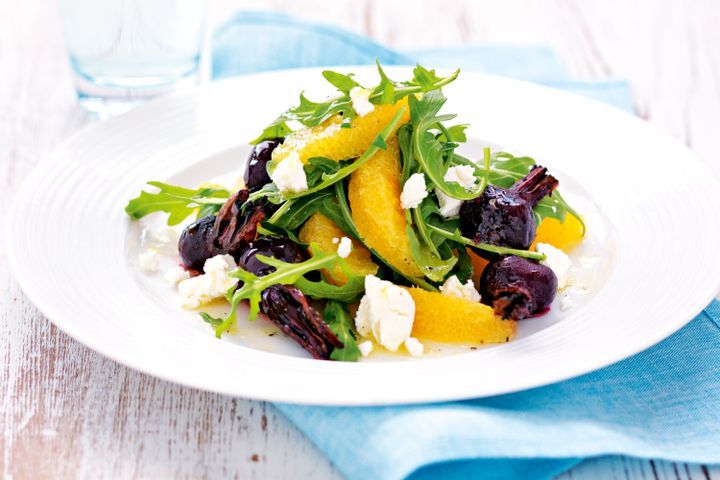
One-half cup of these red gems supplies a whopping 68 micrograms of folate, a vitamin that moms-to-be need to protect their babies against birth defects. There’s also evidence to suggest that folate may protect against cervical dysplasia, the development of abnormal cells in the cervix that is sometimes a precursor to cancer.
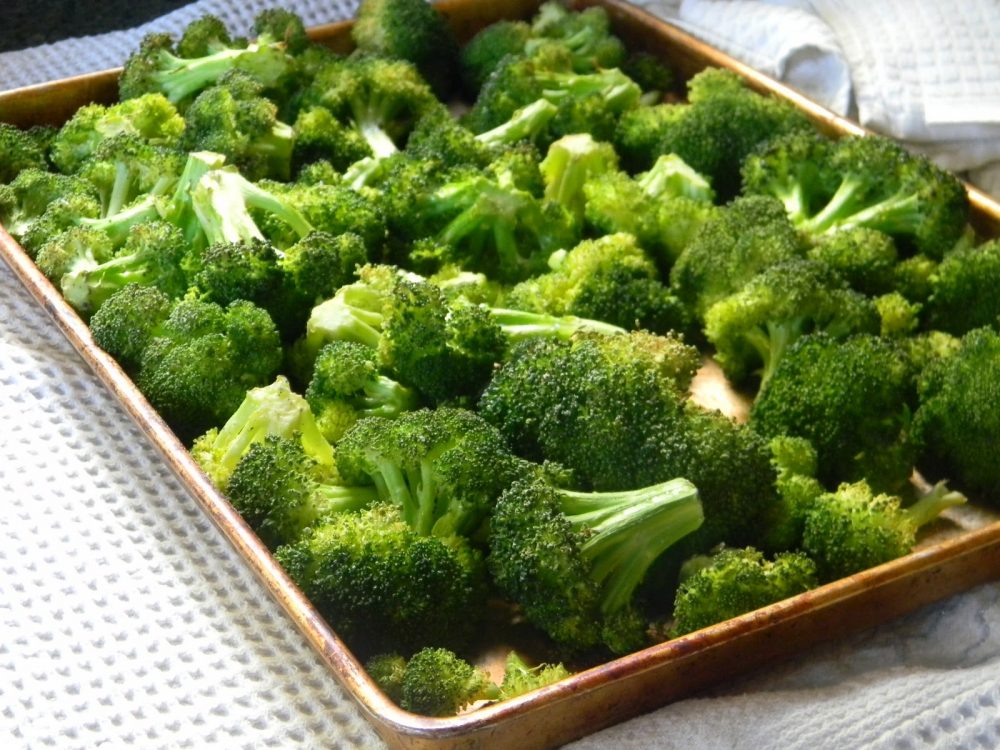
- Broccoli Florets:
One-half cup provides 41 milligrams of disease-fighting vitamin C, or 68 percent of your Daily Value ( DV ). - Carrots:
You won’t find a better food source of vitamin A – 1/2 cup has 17,159 IU, or over 300 percent of the DV.
You get a good amount of fiber, too. -
Cauliflower:
Like its cruciferous cousin broccoli, cauliflower is rich in vitamin C – about 23 milligrams in 1/2 cup. - Celery:
Except for small amounts of folate, vitamin C, fiber, and potassium, celery doesn’t have a whole lot of nutritional value. But it does give your salad a lot of crunch for just a few calories and practically no fat. - Cucumbers:
Another “crunchable,” cucumbers contribute small amounts of fiber, folate, potassium, and vitamin C to your salad. - Mushrooms:
Along with copper, mushrooms provide a B-vitamin boost of folate, niacin, and riboflavin. - Peppers:
Sweet red peppers are another stellar source of vitamin C, providing 87 milligrams per 1/2 cup chopped. Their green counterparts supply a not-too-shabby 66 milligrams. You can’t beat either variety for vibrant color and satisfying crunch. - Red Cabbage:
With more vitamin C than the pale green variety, red cabbage also supplies some vitamin B6 and fiber. - Tomatoes:
There’s no better source of ly-copene, a relatively unknown “super nutrient” that scientists believe helps to protect against a number of different cancers as well as dysphasia.
Mayonnaise and salad cream contain a lot of fat. Make salad dressings with natural yogurt, herbs, spices, tomato juice, vinegar and lemon juice
 Be fruit-full :
Many salad bars feature nutrient – rich fresh fruits, from melon wedges and pineapple spears to kiwifruit and berries. Enjoy them on the side – or add them to your greens to give your salad just a touch of natural sweetness.
 Pick some protein :
Scout the salad bar for legumes such as kidney beans, chickpeas, black beans, lentils, and split peas. They’re low in fat and high in fiber and protein – perfect as a meat substitute in healthy salad. If you have a hankering for the real thing, choose turkey breast or chicken breast. They are not as low in fat as legumes (they get about 20 percent of their calories from fat), but they’re not nearly as bad as most lunchmeats.
 Sprinkle on the cheese :
When sprinkled on your salad sparingly, cheese supplies a nice-size dose of bone-building calcium. It’s best to choose low-fat or nonfat varieties, but you can’t always tell what you’re getting at a salad bar. Grated Parmesan is usually a safe bet. It’s higher than most other cheeses in calcium, and one or two tablespoons can go a little farther than a shredded type.
 Fake out fat:
Anything can look healthy when it’s surrounded by a sea of greens and veggies. But beware the usual salad bar fat traps: nuts and seeds, soiled olives, croutons, chowmein noodles, and bacon bits.
Any of these can sabotage your salad by driving up its calorie and fat content.
 Sample with restraint:
Just because something is called a salad doesn’t mean it’s good for you.
Take potato salad: Just 1/2 cup can add 179 calories and 10 grams of fat to your plate. In general, it’s a good idea to avoid this and other mayonnaise-based deli-style concoctions. Fill up the healthy stuff first, so “just a taste” doesn’t turn into an entire plateful.
 Opt for low fat dressing:
Stick with a nonfat or low-fat-salad dressing, but even that should be used with a light touch. You may want to try one of these options instead. Your salad may not seem complete without your favourite dressing drizzled over the top. But before you grab the Iadle and pour, consider this: If you overdo it, you can turn a perfectly healthful plate of greens and vegetables into unhealthy fare that gets as much as 70 percent of its calories from fat.
- Give it a squeeze.
Lemon or lime juice makes a nice substitute for traditional salad dressing, and it gives your salad a burst of vitamin C to boot. Simply squeeze a slice or two of the fruit right onto your salad for a light yet zesty taste. - Try something new.
If you’re an oil-and-vinegar fan, sample some of the more exotic vinegars that some salad bars offer these days, such as balsamic, champagne, raspberry, and white-or-red-wine. Their robust flavors mean you can get by with a lot less oil – say, three parts vinegar to only one part oil. - Make your own.
At home, you can combine a couple of salad bar staples to create a “dressing” with less fat and fewer calories than their pre-made counterparts. For example, spoon out made some low-fat yogurt and add just enough reduced-calorie mayonnaise to thicken it, then add it to your salad. Or mix just a small amount of low-fat dressing with some low-fat cottage cheese and use that as your salad topping.
- Think thin.
Among regular, full-fat dressings, thin ones such as French and Italian tend to be better choices than thicker ones such as blue cheese and Thousand Island. This is true not because they have less fat but because they spread more easily, so you can use less.
- Keep it on the side.
Rather than lading the dressing right over your salad, put it in a small container. Then lightly dip your fork into the container before spearing your salad. This method gives you better portion control.
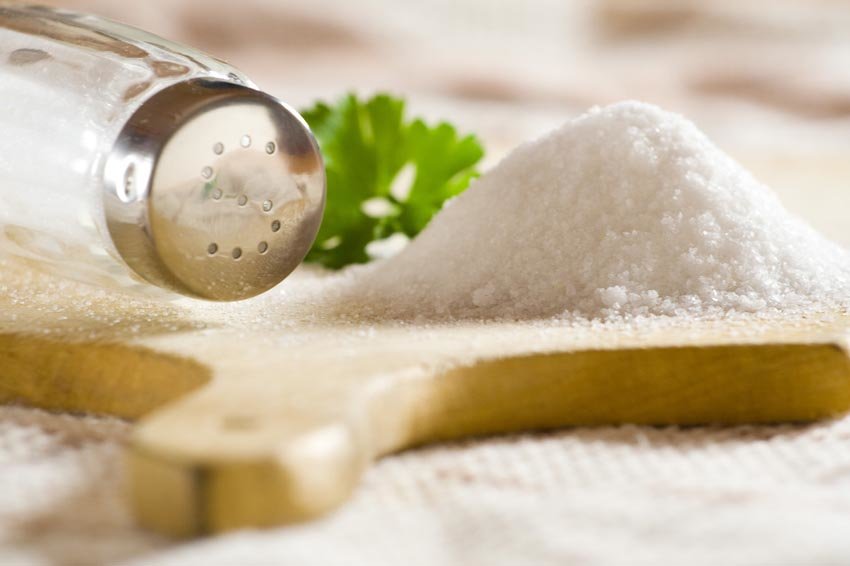
 Do away with excess Salt:
While sodium is an essential nutrient, too much of it attracts a layer of water under your skin that looks like a layer of body fat. Obviously, that’s not good for your six-pack or, for that matter, the lines of your thighs, even if your body fat is already low. On the other hand, too drastic a reduction in sodium due to diuretics or other harsh methods can cause cramping, low blood pressure, fainting and other health risks. If you like to sprinkle salt on your food and use it in baking, try potassium chloride (KCl) instead of table salt (sodium chloride, NaCl). Cutting back on sodium is one of many ways to make a healthy cardiovascular system healthier. Lastly, keeping sodium in its place preserves bone by reducing the loss of calcium to the urine. That means less risk of bone fractures when you’re older and still squatting 400 pounds.
 Serve Separately:
Go for a separate serving of vegetables, butter, mayonnaise or dressings so that you can choose whether to have it or not. This will provide you with an opportunity to include more fruit and vegetables in your meal and avoid unnecessary fat. The trick here is to choose a salad with lots of color – plenty of reds, orange and rich greens. A topping of grilled chicken or a toss of sunflower seeds packs a little protein, while a breadstick rounds the meal off.
Disclaimer
The Content is not intended to be a substitute for professional medical advice, diagnosis, or treatment. Always seek the advice of your physician or other qualified health provider with any questions you may have regarding a medical condition.