Teenage girls experience a variety of transformations. The increased proportion of body fat in early adolescence leads to a rise in preoccupation with body image. Mid-adolescence is associated with assertion of independence, when peer groups dominate social life and risk behaviors increase. Late adolescence may bring uncertainties about sexuality, future relationships and career options. It is time that Parents, teachers and the society at large becomes more aware of some of the specific teenage needs to assist them in their all-round development.

Below are the top ten health concerns of teenage girls:
 Diet and health :
Teenagers require an energy intake of 2200 kcal/d and 2100 kcal/d for 10- to 15- and 16- to 18- year-old females, respectively to meet their growing needs with gradual lowering of fat intake. Once linear growth has stopped, fat intake should be limited to 30% of energy and at least 55% of energy should come from carbohydrate. The energy distribution of the average teenage girl’s diet is approximately 15% protein, 50% carbohydrate and 35% fat to maintain a healthy growth and prevent deficiency of iron and calcium. The RDA for women during possible child bearing years is 15 mg/day. High fat and low carbohydrate intakes during adolescence are thought to increase the future risk of cardiovascular disease and perhaps some types of cancer.
 Weight Concerns :
Teenage girls’ are insecure about their bodies this is quiet apparent through their thoughts about food. Most girls falling within the healthy weight range, do not believe their weight is appropriate and constantly worry about gaining weight or becoming fat. Girls’ weight and dieting concerns are linked more strongly to social and psychological issues than to physical health matters. To match up with weight issues teenage girls tend to divide food into two categories: healthy and junk. Example of “Healthy” foods, are fresh fruit and vegetables which are described as low in Calories, sugar, fat, cholesterol, salt, additives, preservatives and artificial ingredients, and as sources of vitamins,minerals and proteins. “Junk” foods are the chocolate bars and potato chips and are described as having the opposite profile. Surveys also show that activity levels decline dramatically in adolescence raising the concern about adolescent obesity.
 Eating Disorders :

It is not surprising that most teenage girls have dieted at some time, leading to poor body image and disordered eating including obesity. While it is difficult to find specific causes for these difficulties, gender stereotypes in television, movies, books, and the toy and fashion industries pose obvious challenges to girls’ healthy psychological development. Some of the symptoms of an eating disorder are obsessive exercise, calorie counting, fat gram counting, starvation or restriction, a compulsive interest in health and food issues, self-induced vomiting, and the use of diet pills, laxatives or diuretics. Studies have indicated that cognitive behavioral treatment can eliminate or greatly reduce binge eating in most girls.
 Smoking :
There is an increased incidence of smoking among girls who are 18-20 years of age. Although there has been a decline in total number of people who smoke, but teenage girls are the only group showing a significant increase in smoking. Teenager need to be made aware about the health effects of smoking like bone-thinning disorder, premature wrinkling of skin, increase in incidences of heart disease, lung cancer and other forms of cancer with advancing age. Besides quitting has long term health benefits.
 Skin Protection :
Teenagers think a Suntan makes them look healthy, but the change in color of skin is actually the visible damage caused by UV radiation of the sun. It needs to be stressed that a sun damage can make their skin wrinkle permanently at a younger age than usual. To keep the skin healthy protect it by using a sunscreen that indicates on the label that it protects both against ultraviolet A (UVA) and Ultraviolet B (UVB) rays. Also make sure that it has a sun protection factor (SPF) of at least 15.
 Build Strong Bones :
Besides nourishing the body, teenage years is a time to build bones to their maximum strength and density. It will be harder to do after 20 and after 35 your body will begin to lose more bone than it builds. To make your bones as strong and healthy as possible, you need to take 1200 to 1500 milligram of calcium every day. Menstruating regularly is also essential for maintaining the strength of your bones. If you are 16 and have not begun menstruating or have missed periods for 2-3 months, see a doctor immediately. You body may not be producing the enough of the bone-strengthening hormone, estrogen and you might begin to lose bone.
 Are you Ready for Sex ?
 Do not let persuasion or promises from boyfriend, peer pressure or your sexual urges lead you into a sexual relationship until you are ready for it. You have the right to refuse for sex if you feel you are not ready, always remember that you have much more than sex to offer as a person. If you are seriously considering becoming sexually active take precautions to protect yourself from sexually transmitted diseases and unwanted pregnancy by using a reliable contraceptive.
 Alcohol and Drugs :
Can harm your health and have serious consequences for the rest of your life. Drugs tend to impair ones judgment and lead them to take dangerous risks. Here are some ways to turn down the offer of alcohol and drugs: Say, ” No thanks, I’m not interested” or ” It makes me feel sick” or simply leave the situation. At other instances ignore the person who is offering the drugs and go talk to someone else. In some cases you could even laugh it off, tell a joke or change the subject.
 Pregnancy Facts :
Teenage is a time shadowed with confusion and mixed feelings. There are certain mistaken thinking regarding pregnancy which need to be clarified like there is possibility to get pregnant from sexual intercourse after the first period. There is completely no need to be embarrassed of clarifying questions on use of birth control methods. If you are sexually active and do not use any reliable method of birth control, such as latex condom with spermicide or birth control pills , you are likely to become pregnant. Do not hesitate to go to doctor or drugstore to buy any reliable, safe and inexpensive contraceptive.
 Depression :
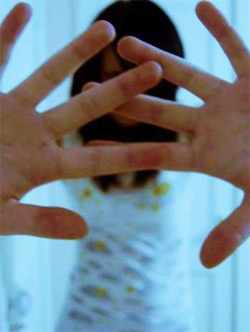 Teenage years are full of changes and stress. With increasing expectations and added responsibilities teenagers feel down from time to time, but if your blues last more than few weeks you may have a disorder called Depression. It is common among teenage girls, but the good news is that it can be treated permanently. Signs of depression include: feeling of sadness, helplessness, hopelessness, loneliness, and emptiness, change in sleeping and eating habits, withdrawal from family and friends or thoughts of suicide. To overcome depression it is important to talk to your parents explaining them your problems or any other close relative or friend whom you can trust with your emotions. You can even talk over your insecurities with your teachers or school counselor or social worker who can help you.
Get help immediately if your friend talks of suicide.
What teenagers need is constant support and encouragement of adults to resist the physical, social and emotional pressures. An environment needs to be created where girls can express their opinions, make mistakes, and demonstrate their interest in learning without fear of harassment or of being ignored. Parents, teachers, and administrators can make a positive contribution to the development of adolescent and preadolescent girls.
Disclaimer
The Content is not intended to be a substitute for professional medical advice, diagnosis, or treatment. Always seek the advice of your physician or other qualified health provider with any questions you may have regarding a medical condition.