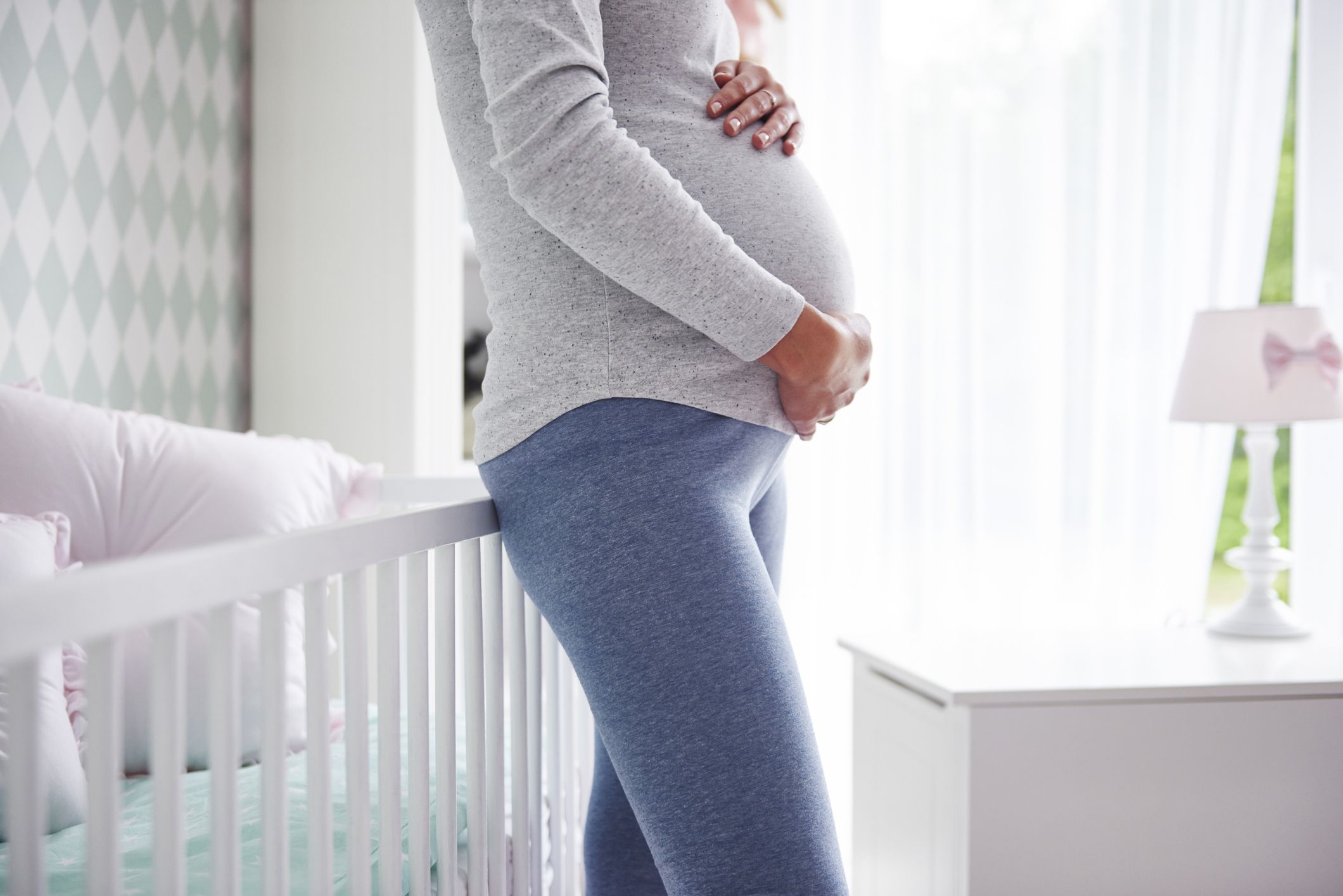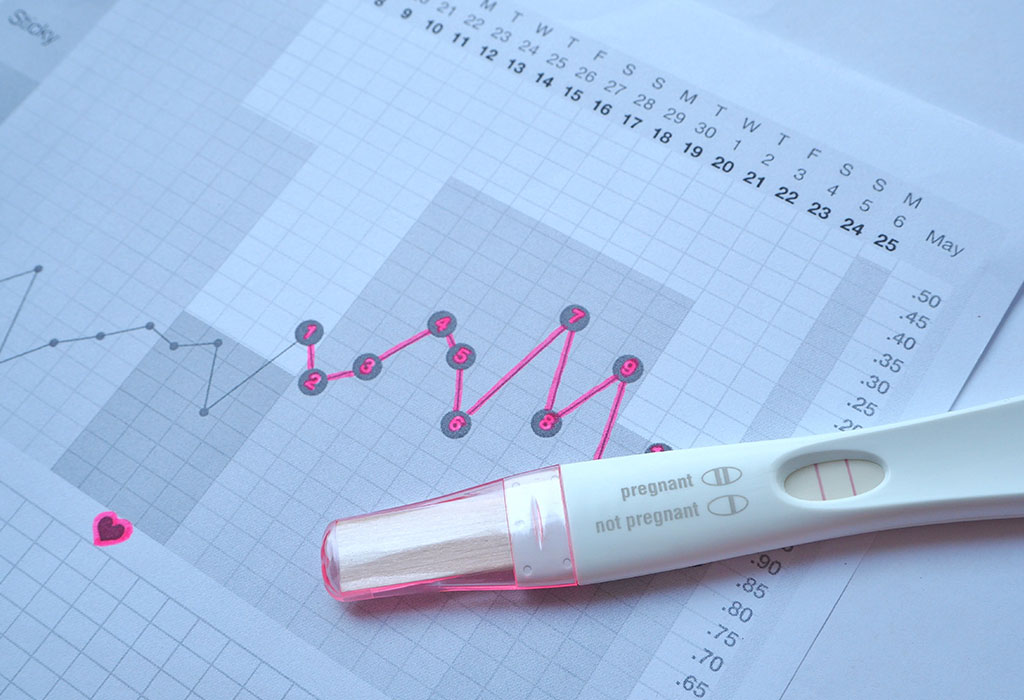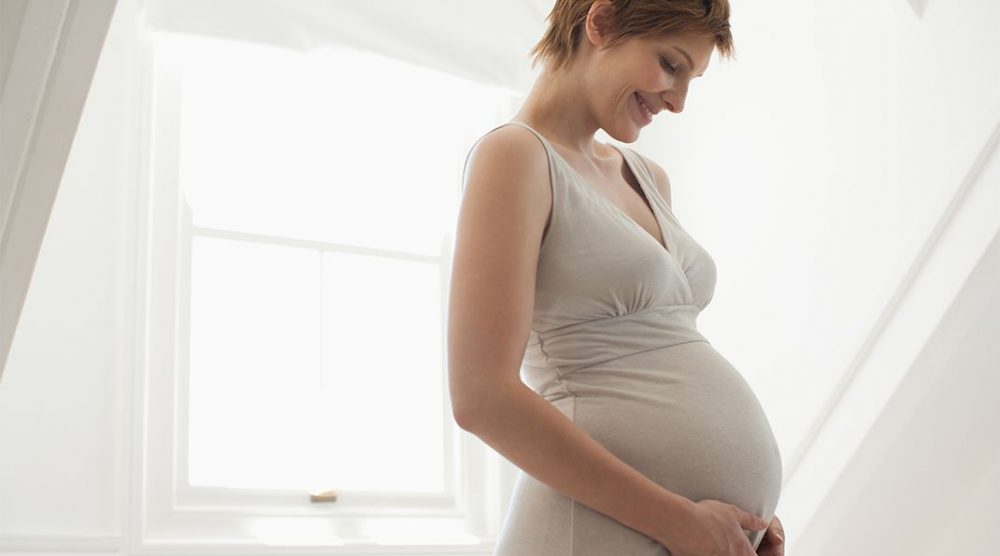
Pregnancy places great physical demands on the body, but the fitter you are, the better you will be able to cope. Supple joints & groin and buttock muscles make it easier to adopt useful position such as squatting during labor and birth, strong leg muscles encourage good circulation which helps to prevent tiredness, cramps and varicose veins and strong stomach muscles will help with delivery.
Here are tips for planning your pregnancy fitness plan:
1. Stick to a schedule: – Regular exercise is better for you than sporadic workouts.
2. Stay in your comfort zone: – Try to keep. up your pre-pregnancy fitness plan as long as you feel comfortable doing so. If necessary, break a daily workout into two shorter workouts and reduce the speed or intensity.
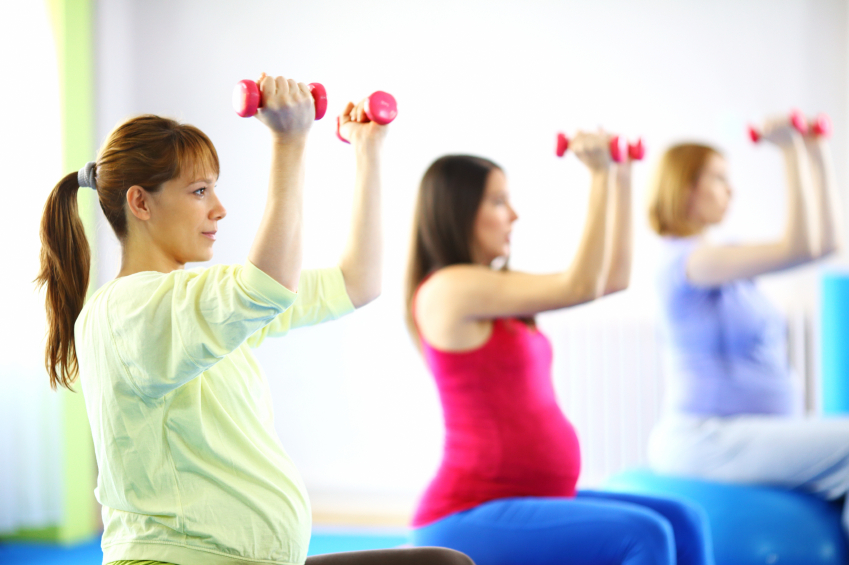
3. Enroll in an exercise class: – If you haven’t been active, taking easy walks on a regular basis or enrolling in a beginner exercise class geared towards pregnant women will make you feel motivated and better throughout your pregnancy.
4. Lesson your intensity: – Try to limit your overall exercise intensity to at least 50 percent of your pre-pregnancy intensity. Watch your breathing, and stop exercising if you’re winded. Keep your heart rate below 140 bpm to avoid depriving the baby of oxygen. As such you get further along in your pregnancy, you will get tired and winded more quickly.
5. Stay off your back (and off your feet): – Avoid exercises that require you to lie on your back after the first trimester, because the pressure of the growing fetus restricts blood flow back to your heart. In addition, don’t stand still for long periods of time; the excess weight of pregnancy can cause varicose veins. Jog, walk, or go snows hoeing as long as such activities feel good. Swimming and aquatic classes also are excellent workouts. Swimming is the only time you can lay prone (on your tummy) for an extended period of time, and it gives your back a well-deserved break.
6. Be alert to your center of gravity: – As your body shape changes, so does your center of gravity. Activities that are fine and comfortable early on might not be later in your pregnancy. In your third trimester, you should avoid sports that require balance or that put you in danger of abdominal trauma.
7. Wear comfortable workout clothes: – Loose, non-constricting clothes are important for the pregnant exercise. When activity becomes uncomfortable, try wearing extra breast or abdominal support, or switch to non-weight-bearing exercise, such as swimming, water walking, water aerobics, stair stepping, an elliptical trainer, or recumbent or stationary cycling.
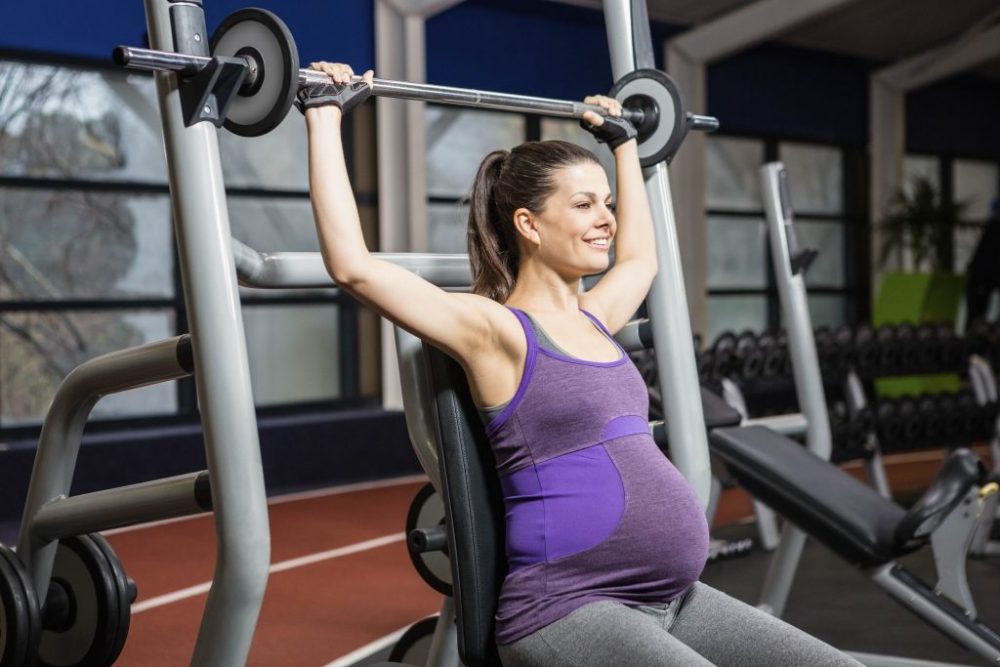
8. Continue strength training with some modifications: – You probably shouldn’t be on a bodybuilding routine when you’re pregnant, but keeping your muscles toned and firm will ease you through pregnancy, childbirth, and recovery. Continue strength training (keeping in mind the guidelines laid down by WF fitness team) with weights and exercise bands, but avoid exercises that require you to lie on your back (as previously mentioned).
9. Eat right: – Be sure to eat healthy foods and to eat enough-but not too much. Remember, you’re eating for two, not four (unless you are expecting triplets). Pregnant women need an additional 300 calories a day. Alcohol and caffeine should be consumed sparingly, if at all, during pregnancy.
The guidelines are mentioned below:
- Eat plenty of wholegrains, fruit and vegetables for vitamins and fibre.
- Have breakfast.
- Avoid junk food, cakes and sweets.
- Choose fresh food rather than processed.
- Use vegetable oils instead of animal fats.
- Drink a pint (570ml) of milk every day.
- Have at least two servings a day of high- protein foods such as lean meat, eggs, fish, pulses or dairy products.
- Eat food that is high in iron, such as lean red meat, wholemeal bread, dried fruit and leafy green vegetables. Iron is needed to make extra red blood cells to supply the placenta and womb, and the unborn baby.
- Try to drink at least six glasses of water every day.
- Avoid alcohol completely during the first 12 weeks of your pregnancy, and have no more than one or two glasses once or twice a week thereafter.
- Eat foods rich in folic acid, calcium and iron, such as nuts and leafy green vegetables.
10. Be aware of overheating: – Pregnant women generate extra heat, especially in the first trimester when important fetal organ formation is happening. For this reason, you need to drink plenty of water and avoid situations in which you might overheat. Raise the red flat on exercising hard in hot weather, soaking in the hot tub, and sitting in a sauna or steam room, especially during your first trimester. Overheating can cause the temperature of the amniotic fluid in the uterus to rise too high, which can seriously harm your baby.
Every woman can keep up with her pre-pregnancy exercise program as long as your body feels okay. Use the guidelines listed and keep in mind that your workout goals should be modest. Your main goal should be to deliver a healthy baby. If you have any questions regarding your fitness routine, contact our gynecologist team and us through mail will rush you with solution to your problem.
Disclaimer
The Content is not intended to be a substitute for professional medical advice, diagnosis, or treatment. Always seek the advice of your physician or other qualified health provider with any questions you may have regarding a medical condition.