Women who are obese when they conceive are more likely to have babies with birth defects than are mothers of normal weight, a US study suggests. (The study was published in the August issue of Archives of Pediatrics & Adolescent Medicine). Researchers interviewed 10,249 American women whose babies were born with birth defects between 1997 and 2002. The women were contacted between six weeks and two years after the baby’s birth and asked their height and weight before pregnancy, along with other demographic and medical information. They were compared to 4065 women who had babies without birth defects during the same time period. For many types of birth defects, including spina bifida, heart, limb and genital defects, mothers were between 1.3 and 2.1-fold more likely to have been obese.
Mothers of babies with the following seven of 16 birth defects were more likely to be obese than mothers of infants without birth defects:
- Spina bifida, a condition that occurs when part of the spinal cord is uncovered, causing incontinence and problems with mobility.
- Heart defects.
- Anorectal atresia, malformation of the anal opening.
- Hypospadias, which occurs when the urethra opens on the underside instead of the end of the penis
- Limb reduction defects, such as small or missing toes, fingers, arms or legs.
- Diaphragmatic hernia, or an opening in the diaphragm that allows abdominal organs to move into the chest cavity and may cause lungs to be underdeveloped.
- Omphalocele, in which the intestines or other abdominal organs protrude out through the navel.
The researchers added “The reasons for an association between maternal obesity and a spectrum of structural birth defects are unknown. Both animal studies and human studies provide substantial evidence that alterations in glycemic control are responsible for an increased risk of a range of structural birth defects among women who have diabetes prior to becoming pregnant. Thus, a similar mechanism to that occurring in women with diabetes may be responsible for the associations observed between maternal obesity and specific categories of birth defects.”
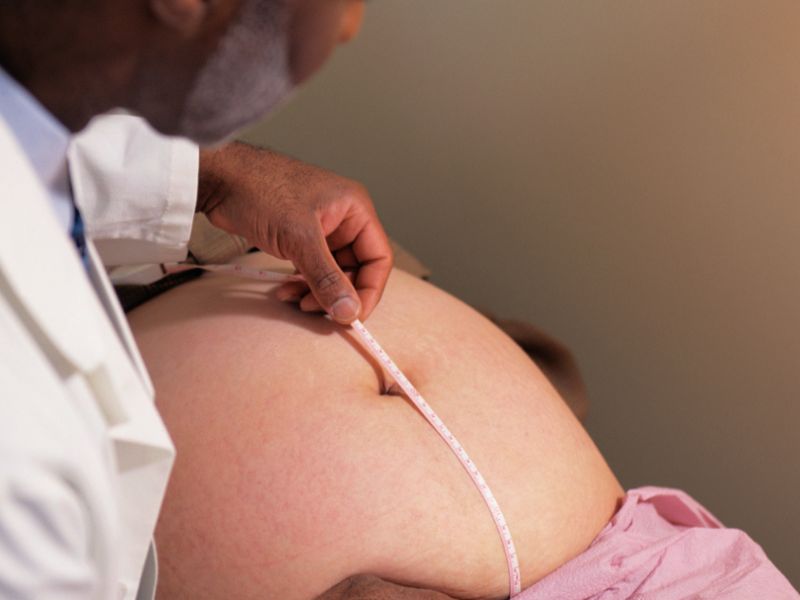
Preventing Birth Defects
Women who have conditions like obesity should talk to their health care provider about measures to take if they are considering pregnancy, or if they discover that they are pregnant. Sometimes better medication or a different dosage is recommended for treating the condition in pregnancy.
|
Fine-tune your diet:
|
We would advise women who are obese to try to maintain a healthy weight, engage in moderate exercise and follow a healthy daily diet. You should gain between 15 and 25 pounds by the end of your pregnancy, at a rate of approximately 2 to 3 pounds a month, primarily in your second and third trimesters. (Experts advise women with a healthy BMI — 18.5 to 24.9 — to gain between 25 and 35 pounds.) It’s normal, however, not to gain any weight at all during the first trimester, when morning sickness is most pronounced.
Disclaimer
The Content is not intended to be a substitute for professional medical advice, diagnosis, or treatment. Always seek the advice of your physician or other qualified health provider with any questions you may have regarding a medical condition.