The chances of cancer are less on a diet which is vegetarian, raw and free of hydrogenated fat and heated oil. According to researches, diet is a risk factor for the disease.
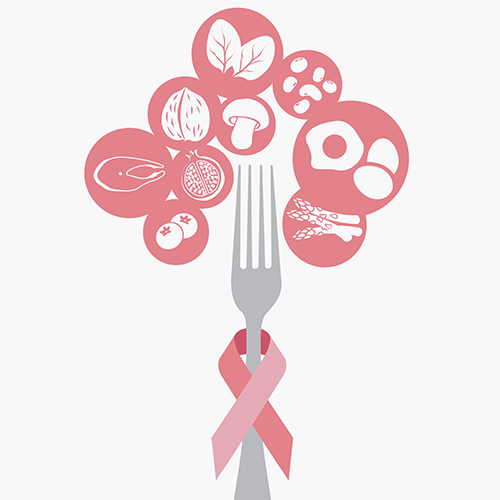
Pure food is healing; this has been demonstrated over and over, and impure food is cancer nurturing, this also is clear. When food is tampered with in the growing phase or later preserved or cooked, it is no longer pure. A large portion of plant nutrition is destroyed, and the food can rightfully be called “dead” — and it has a good chance of taking you with it.
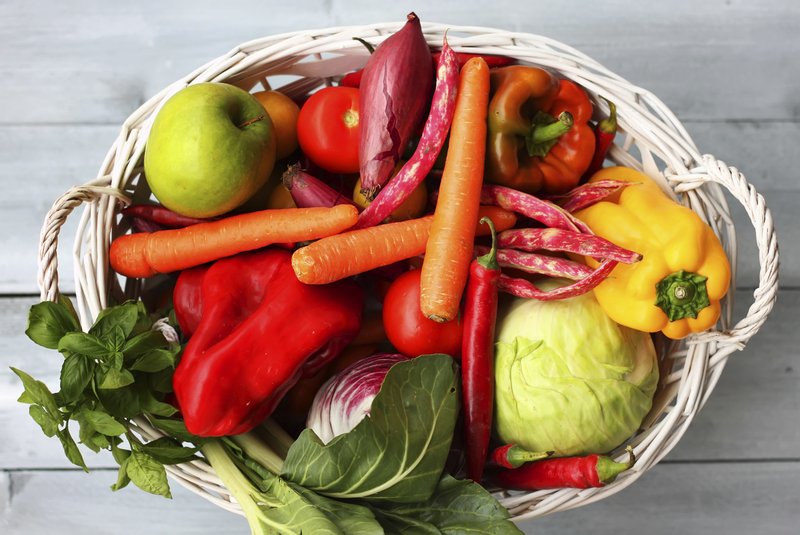
The Motto should be to- Stop eating dead animals and animal products and start eating a large variety of uncooked, organically grown vegetables, fruits and sprouted nuts and seeds. |
In the case of cancer, the entire family needs to wake up to the problem and makes dietary changes as a family, or the person with cancer has no chance. It is just not possible for a person addicted to dead food to eat a healthy diet and see other members of the family gobbling down the food his addictions crave. Besides, the presence of cancer in one member of a family can be a great opportunity for the entire family to change to a style of eating which is vastly superior in its impact on health.
The Macrobiotic Diet for Cancer
“Macrobiotics” include the dietary changes with an emphasis on whole cereal grains and also lifestyle changes, which include exercise and spiritual clarity. A modern macrobiotic diet is rich in all nutrients and includes an astounding array of tasty foods.
Women consuming macrobiotic diets have modestly lower circulating estrogen levels, suggesting a lower risk of breast cancer. This may be due in part to the high phytoestrogen content of the macrobiotic diet. |
The main functions of the macrobiotic diet are:
- To eliminate toxins accumulated through eating excess sweet, greasy, animal and dairy foods and alcohol, and restore health by eating a balanced, centered diet;
- To eat foods appropriate for any particular geographic area and climate; in other words, diets for those living in temperate climates wouldn’t include tropical foods, and those living in cold climates wouldn’t eat a primarily raw diet.
The Macrobiotic diet is comprised of the following proportions of foods:
- Whole grains – brown rice, barley, millet, oats, corn, rye, wheat, buckwheat – 50-60 percent;
- Vegetables – a wide variety of locally, organically grown vegetables, including cabbage, kale, greens, broccoli, cauliflower, squash, carrots and many more – 25-30 percent;
- A variety of beans, including tofu, tempeh and natto, and sea vegetables – 5-10 percent.
- Soups, especially miso soup – 5 percent.
- Fish, seafood, seasonal fruits, condiments and seasonings are supplements to the main diet.
Many nutritionists believe that wheatgrass is especially nutritious and recommend wheatgrass combined with the Macrobiotic diet. The macrobiotic approach to cancer treatment, like all therapies, is not 100% effective 100% of the time. Nevertheless, thousands of people have handled their cancers while following this approach.
The Moerman’s Anti-Cancer Diet :
This diet is an immune system building diet, a “metabolic balancing” diet and is designed to stop the spreading of cancer. It is not designed to kill cancer cells directly, but is designed to build various aspects of the immune system and build the collagen fibrils so that the cancer does not spread.
After fifty years of struggle with the medical authorities of the Netherlands, Dutch physician Cornelius Moerman got his methods approved as effective in the treatment of cancer. Like many other alternative doctors, he considered that “cancer was [caused by] a malfunctioning of the immune system that manifested itself outwardly on the body’s weakest organ as a tumor.”
The Moerman Association has a membership of 10,000 people, including many former cancer patients. The Dutch Ministry of Health issued a report in 1989 concerning 350 recovered cancer patients. Thirty-five percent were certified by the Ministry of Health to be in complete remission with the Moerman Diet as their only treatment. Ten of these people had been sent home to die by orthodox doctors.
| The Moerman Diet emphasizes vegetables and also allows some dairy and believes strongly in the nutritional value of egg yolks. It also emphasizes the value of nutritional supplements particularly citric acid, iodine, sulfur, vitamins A, B complex, C and E. For the treatment of manifest cancer Morerman recommends a lacto-vegetable diet and, in addition, the ‘8 essential substances’: vitamins A, B, C and E, iodine, sulfur, iron and citric acid. At a later stage he also recommends supplementary vitamin D and selenium. |
There are eight key nutrients in this diet:.
Vitamin A (requires Vitamin D as a catalyst)- 50,000 I.U. to a maximum of 100,000 I.U. daily – taken once a day in the morning – found in butter, carrots, cod-liver oil, low-fat milk, spinach and tomatoes
Vitamin B complex– 2 tablets, taken one tablet, two-times daily
| Name | Found in |
| Thiamine (B-1) | brown rice, low-fat milk, wheat germ and yeast, |
| Riboflavin (B-2) | egg yolks, green vegetables, low-fat milk and yeast, |
| Niacin (B-3) | found in wheat germ and yeast, |
| Pantothenic Acid (B-5) | broccoli, cabbage, cauliflower, egg yolks and whole grains, |
| Pyridoxine (B-6) | green vegetables, whole grain cereals and yeast, |
| Biotin (B-8) | egg yolks, whole grain cereals and yeast, |
| Folic Acid (B-9) | beets, endive, green cabbage and whole green peas |
| Cobalamin (B-12)
[Note: Do NOT forget, Cobalamin (B-12)] |
liver, kidney, meats, fish, dairy products, blue green algae, and eggs, most of which are not allowed on this diet! |
- Vitamin C– 1,250 mg. to 10 grams daily – taken in several small dosages throughout the day because it cannot be stored by the body – “The patient should take the highest dose of Vitamin C that he or she can tolerate” – found in citrus fruits and green leafy vegetables
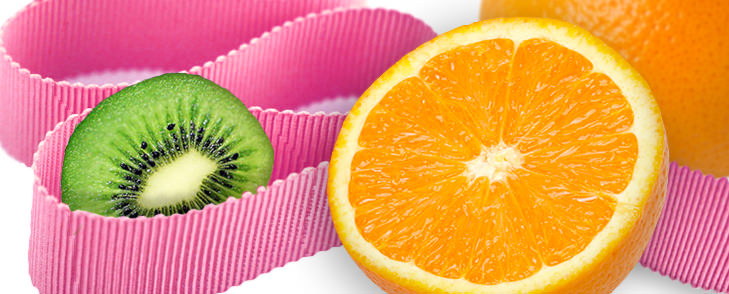
- Citric Acid- 3 tablespoon solution daily – one tablespoon, three times daily (Acidum citricum 10 to 15 g. with 300 g. aqua) – it is found in lemon juice
- Vitamin E– 400 I.U. to 2,200 I.U. daily – also taken in several small dosages – “Important: Check with your doctor if you have low blood pressure.” – found in vegetable oils, wheat germ and whole grain cereals
- Iodine– 3 tablespoon solution daily – 1 tablespoon three times daily (Iodii spirit, 3%. Mix 1 to 3 drops in 300 g. water or red sour wine) – “This can be prepared using equal parts of the iodii spirit and the other liquid, depending on the severity of the case” – found in iodized salt, which is not allowed on this diet, thus it must be supplemented
- Iron– 3 teaspoon solution daily – one teaspoon three times daily – undiluted solution sacharatis ferrici aromatic triplex – found in apricots, cherries, egg yolks, green leafy vegetables and raspberries
- Sulphur – 1 gram daily – 500 mg. twice daily – powder created sulphur depuratum 0.5 g. This powder can be mixed with butter and eaten. [Webmaster Note: I assume this can now be taken as MSM in even higher doses] – found in broccoli, Brussells sprouts, cabbage, cauliflower and egg yolks.
The most important aspect is the change in dietary habits required by the diet prescribed by Moerman and the ingestion of the ‘8 essential substances’ in the form of conventional preparations.
According to the Dutch physician Cornelius Moerman, chronic deficiency of the ‘8 essential substances’ is said to lead to metabolic disturbances, structural and behavioural anomalies of the regeneration tissue and alkalosis, which is claimed to be a fertile soil for the ‘symbionts’ that can transform healthy cells into cancer cells.
By means of a lactovegetable diet and substitution of the ‘8 essential substances’, this metabolic disorder is said to be reversible, thus robbing the ‘symbionts’ of their growth medium.
| The diet basically consists of most vegetables, most fruits, some whole grains, butter, some other dairy products, egg yokes (not egg whites), and some other items. The diet is designed to supplement the eight nutrient supplements. The diet is very strict in things that cannot be consumed (e.g. table salt, even iodized table salt, meat, etc. are not allowed). |
The two requirements of the diet are:
- Adults must eat one or two raw egg yolks daily, unless they have liver or gall bladder disease.
- Adults and children must drink the juice of three lemons each day.
Beyond that a person can eat the proportions of the allowed foods to their own desire.
Foods:
Grains, Cereals:
|
Allowed: |
NOT Allowed: |
|
Whole grain breads, |
All foods that contain white flour |
Dairy Products:
|
Allowed: |
NOT Allowed: |
|
Butter, buttermilk, cream cheese, cottage cheese, Young farmer cheese, egg yolk, low-fat milk, sour cream, yogurt-plain (must contain dextro lactic acid, preferably with lactobacillus acidophilus – which restores the intestinal flora) |
Cheese with high fat and salt content: Bleu, Brie, Cheddar, Muenster, Swiss, Egg white |
Vegetables:
|
Allowed: |
NOT Allowed: |
|
All vegetables except those listed as not allowed |
All beans and peas except whole green peas in their pods, All potatoes; red, sweet, white, Red cabbage, sauerkraut, white cabbage |
|
Limit Amounts: |
|
|
|
Fruits:
|
Allowed: |
NOT Allowed: |
|
All fruits except those listed as not allowed Raw, organic fruits are preferred (to cook: lightly steam in water – use no sugar if cooked, and do not boil) Soak all dried fruits in water for 24 hours, discard soaking liquid before eating Juices – all juices of the fruits and vegetables allowed on the diet are recommended |
Dates, figs, rhubarb, sweet grapes Highly Recommended: Beet juice, carrot juice, orange juice mixed with lemon juice Condiments – Dressing and Seasonings, In moderation or as otherwise indicated below: Bay leaf, Black pepper (limit to one pinch occasionally), Cream (use occasionally), Garlic, Herb tea, Honey (limit to one teaspoon daily), Lemon juice, Moerman Mayonnaise (recipe inbook), Nutmeg, Olive oil (use cold-pressed type only), Cheese, grated (Use low-fat, low-salt varieties only), Parsley (use sparingly), Sea Salt (use only a pinch in cooking water), Sunflower oil (use cold-processed type only), Vegetable bouillon cubes (use those made without chemicals or preservatives only) |
Prohibited Foods:
- Fish
- Meats
- Shellfish
- Alcoholic beverages
- Animal fats
- Artificial colorings
- Beans and peas: kidney beans, lentils, marrowfat peas
- Cheeses with high fat and salt content: Blue, Brie, Cheddar, Muenster, Swiss
- Chemical preservatives
- Cigars, cigarettes, pipe tobacco
- Cocoa
- Coffee
- Egg whites
- Hydrogenated (heat-processed) vegetable oils [i.e. trans-fatty acids]
- Hydrogenated (heat-processed) vegetable shortening [i.e. trans-fatty acids]
- Margarine [i.e. trans-fatty acids]
- Mushrooms
- Potatoes, all varieties
- Refined, iodized table salt
- Stocks or broths made of fish, meat, or shellfish
- Refined white sugar and all foods that contain refined white sugar
- Teas that contain any amount of caffeine
- White flour and all foods that contain white flour
The total diet is very detailed, and includes what foods can and cannot be eaten, supplement dosages, etc. The complete diet, along with recipes, can be seen in the book: Dr. Moerman’s Anti-Cancer Diet – Holland’s Revolutionary Nutritional Program for Combating Cancer, by Ruth Jochems (with a Forward by Linus Pauling)
Disclaimer
The Content is not intended to be a substitute for professional medical advice, diagnosis, or treatment. Always seek the advice of your physician or other qualified health provider with any questions you may have regarding a medical condition.