Miscarriage can leave a couple severely shaken as the anticipation of having a baby suddenly turns to grief over a loss. Many feel devastated and guilty even if the miscarriage occurs during the early weeks or months of the pregnancy. However, while it’s normal to blame some specific act or situation, miscarriages are rarely triggered by factors under the partners’ control.
Most miscarriages are caused by chromosomal (genetic) abnormalities and other physical factors that are beyond your control. There are, however, steps you can take to reduce the risk of losing a pregnancy.
 Don’t smoke
Smoking increases the risk of losing a genetically normal baby. One study showed that women who smoked more than 14 cigarettes a day were about twice as likely to miscarry, regardless of their age or use of alcoholic beverages. The risk of losing a pregnancy increases with the number of cigarettes a woman smokes. On the other hand, giving up smoking at any time during the pregnancy will benefit the baby. Since passive smoke is also dangerous, it’s wisest if no one in your household smokes during the pregnancy.
 Don’t drink alcoholic beverages or much caffeine.
Having an alcoholic drink twice weekly doubled the risk of losing normal babies in one study; drinking alcohol every day tripled the risk of such miscarriages. Similarly, consuming large amounts of caffeine-more than 4 cups of coffee per day (or the equivalent in other substances that contain caffeine) slightly increases the chance of miscarriage. The risk appears to rise with the amount of caffeine consumed; and doctors generally recommend limiting intake to one cup of coffee per day.
 Avoid radiation and poisons.
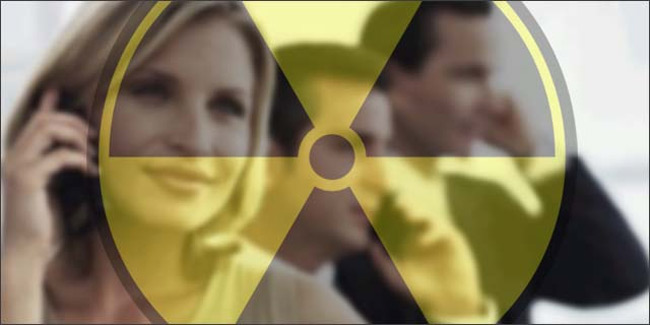
Exposure to high levels of radiation or toxic substances increases the risk of miscarriage. The dangers of various levels of radiation are discussed in the chapter on “Strategies for a Healthy Pregnancy.” Arsenic, lead, formaldehyde, benzene, and ethylene oxide can cause miscarriage. Make sure you are not exposed to these substances at work or anywhere else while pregnant or trying to conceive.
 Prevent trauma to the abdomen.
Don’t participate in sports such a skiing that might involve serious falls. Stab wounds or injuries from the steering wheel or seat belt in a car, especially during the second trimester, sometimes cause miscarriage. See the nearby box for the right way to wear a seat belt when you are visibly pregnant.
 Check out all medications with your doctor.
Certain prescription and over-the-counter drugs are associated with fetal abnormalities and miscarriages. Consult your doctor before taking any medication when you are pregnant or trying to conceive. Some drugs can damage the fetus and cause miscarriage before you even know you are pregnant.

 Increase folic intake
Low levels of plasma folate may be associated with an increased risk of early miscarriage, according to a population-based study conducted by researchers at Sweden’s Karolinska Institute in cooperation with the U.S. National Institute of Child Health and Human Development (NICHD), an arm of the National Institutes of Health. The study, published in the Oct. 16 issue of the Journal of the American Medical Association (288, 15:1867-73, 2002). According to
Duane Alexander, M.D., director of NICHD. “Not only does taking folic acid before conception prevent the devastating form of birth defects known as neural tube defects, but it also appears to lower the risk of early miscarriage.” A healthy balanced diet has a strong role to play in a healthy pregnancy.
 Protection from Infectious hazards
Infectious hazards are biological agents (usually viruses) that may infect the unborn baby if the mother becomes infected during her pregnancy. Some infections can pass through the placenta to the baby while in the womb. In some cases hepatitis B, HIV/AIDS the baby will experience the illness before the birth or carry it and experience it after the birth (such as or herpes). A few viruses are capable of causing miscarriage, birth defects or physical and mental delays in the baby (such as rubella, cytomegalovirus or toxoplasmosis ). Women working in hospitals, emergency services, prisons, childcare, schools and other care facilities, as well as those working with animals, need to be aware of using gloves when handling blood products and any other required protective clothing, depending on the circumstances. In some cases, being temporarily reassigned to work in other areas may be necessary.
 Avoid Heavy lifting
When a woman is pregnant, she has high levels of the hormone progesterone. Progesterone relaxes and softens her muscles and ligaments (making her body more flexible, especially her pelvis for giving birth), these changes make her more prone to injury. Heavy lifting can contribute to back injury and straining other areas of the body. Therefore, using lifting aids, or avoiding heavy lifting altogether if possible, may be feasible alternatives. Depending on your occupation, you may need to be moved from a standing job to one that requires more sitting (or be provided with a stool if working behind a counter).
 Avoid excessive, regular physical vibrations or shocks
during pregnancy if possible, as should exposure to continuous, excessively loud noise. Flying in un-pressurized planes and scuba diving can reduce oxygen levels and should be avoided because of an increased risk of miscarriage, and premature birth.
 Avoid excessive temperature variation
Working in hot conditions can contribute to a pregnant woman fainting. Heat that raises the woman’s body temperature above 38.5o Celsius (or 101.3o Fahrenheit) for several hours during the first 12 weeks of pregnancy has the potential to cause birth defects in the unborn baby. A prolonged, raised temperature from about 12 weeks of pregnancy until the birth may distress the baby or cause premature labour. Avoiding excessively hot conditions is advisable during pregnancy.
The majority of miscarriages cannot be prevented because they are caused by severe genetic problems determined at conception. Some doctors advise women who have a threatened miscarriage to rest in bed for a day and avoid sex for a few weeks after the bleeding stops. If miscarriage was caused by a hormonal imbalance (luteal phase defect), this can be treated with a hormone called progesterone to help prevent subsequent miscarriages. If structural problems have led to repeated miscarriage, there are some possible procedures to treat these problems.
Above is only a general overview, your doctor will be in the best position to advice you regarding protection against a miscarriage.
Related links
- Diet to minimize the risk of a Miscarriage
- Top 10 Biggest Pregnancy Fears
- Top 10 to prevent complications during pregnancy
- Planning a Fit Pregnancy
- High-Risk Pregnancy: Hydramnios
Disclaimer
The Content is not intended to be a substitute for professional medical advice, diagnosis, or treatment. Always seek the advice of your physician or other qualified health provider with any questions you may have regarding a medical condition.