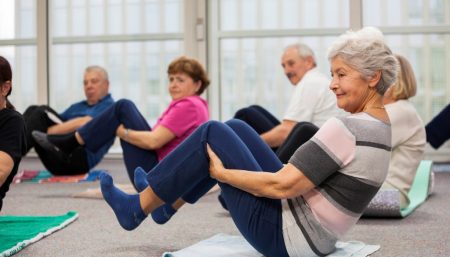
Exercise is important for your health. Like muscles, your bones respond to exercise by becoming stronger.
As people age, the outer “cortical” layer of bone in a particular region the hipbone or upper femur become thinner, making the hip more prone to fracture. After 60 years of age, bone thickness in this zone falls by 6.4 percent per decade.
Regardless of whether the bone-thinning disease osteoporosis was present or not, thinning in the cortical layer impairs the femur’s ability to absorb energy, making it more likely to break.
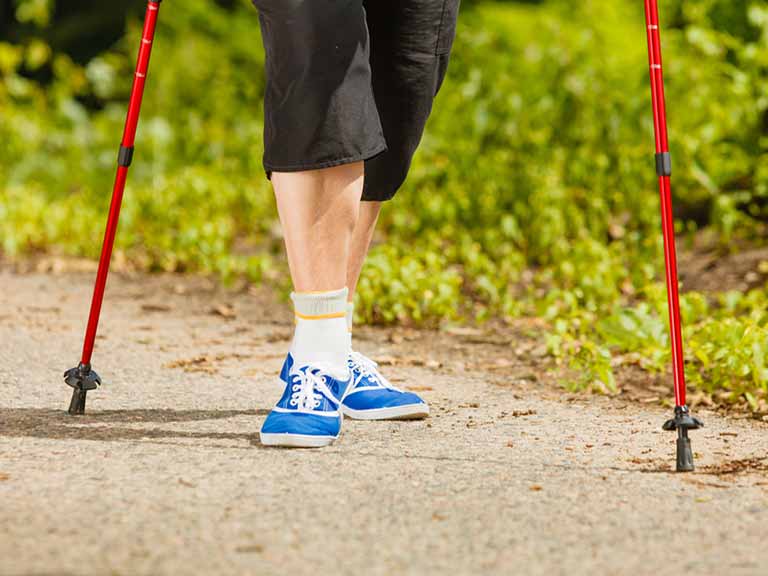
Exercise suggestions include cycling, rowing, sculling, gymnastics and weights. Walking may not put sufficient training stress upon the femur, although it is good for other reasons.
To build and maintain your bone strength, there are two specific types of exercise you could try: weight bearing and resistance exercises.
- Weight-bearing exercise. In this type of exercise, your bones and muscles are called on to work against gravity and/or bear weight.
- Resistance exercises. With resistance exercises, you use your muscles in ways that help improve your muscle mass and strengthen your bones.
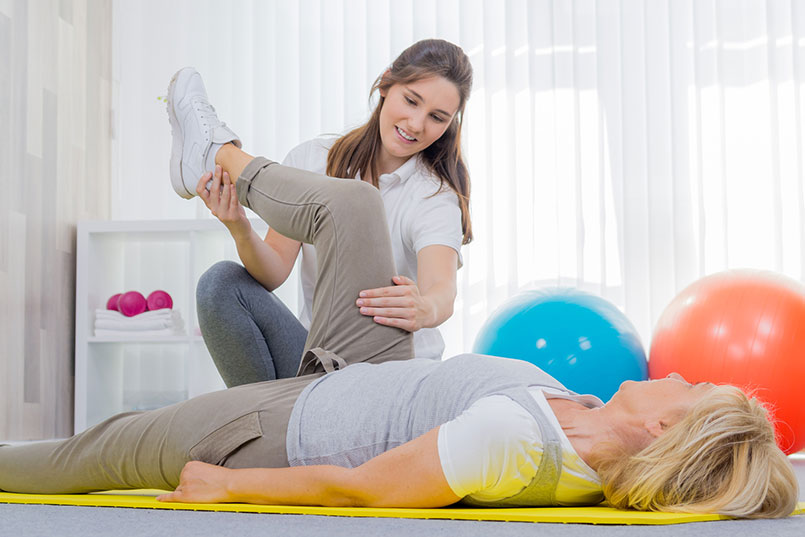
Fracture prevention also requires prevention of falls.
Fracture prevention requires a combined attack on the risk factors for both falls and osteoporosis
Here are some examples to prevent falls:
- Ensure that your bathtub is not slippery by using rubber mats or non-skid decals.
- Equip your home with good lighting. In the middle of the night, it helps to have a well-lit path to the bathroom (i.e. use night-lights).
- Ensure that dresses, skirts and pajamas are short enough to avoid tripping over the hem.
- Secure all loose rugs to avoid slipping.
- Secure all wiring and electrical cords away from common traffic areas. Remove clutter.
- Be aware of the potential to trip over pets.
- Falls frequently occur on stairs. Installing stable handrails, ensuring proper lighting (especially at the top and bottom) and wearing appropriate footwear can help prevent falls. Take your time going up and down stairs.
- Cover porch steps with gritty, waterproof paint.
Disclaimer
The Content is not intended to be a substitute for professional medical advice, diagnosis, or treatment. Always seek the advice of your physician or other qualified health provider with any questions you may have regarding a medical condition.