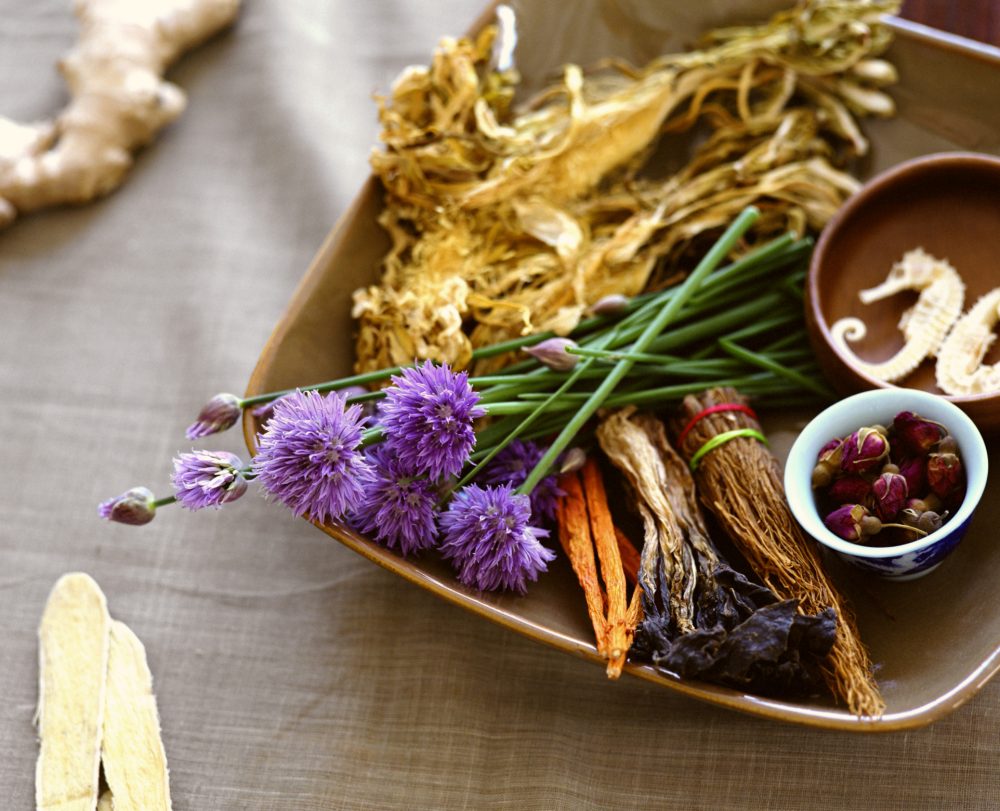
Many studies have been performed on various naturally occurring herbs and other compounds, demonstrating their ability to lower blood sugars.
While many of these compounds decrease the blood glucose level by stimulating the pancreas to produce more insulin, one particular herb, Goat’s Rue or French Lilac, chemically known as guianidine, is particularly effective in reducing the blood glucose level utilizing a different mechanism.
Galega officinalis
(also known as Goat’s Rue, French Lilac, Italian Fitch or Professor-weed) is a plant from the Galega genus of the Faboideae.
Medical Use
Galega officinalis has been known since the Middle Ages for relieving the symptoms of diabetes mellitus. Upon analysis, it turned out to contain guanidine, a substance that decreases blood sugar by decreasing insulin resistance.
Chemical derivatives from the biguanide class of medication include metformin (Glucophage, commonly prescribed for diabetics) and the older, withdrawn agent phenformin.
This herb actually decreases the cellular resistance to insulin, allowing the cells to utilize the insulin more efficiently in metabolizing glucose. It also decreases the absorption of glucose from the small intestine. It reduces the formation of glucose in the liver, and it increases the uptake and utilization of glucose in the fat and muscle cells throughout the body. Non-insulin dependent diabetics are able to better maintain blood glucose levels closer to the normal range, while insulin dependent diabetics are often able to reduce their insulin dosage and more easily maintain stable levels of the blood glucose.
Ginseng
Ginseng refers to species within Panax, a genus of 11 species of slow-growing perennial plants with fleshy roots, in the family Araliaceae. They grow in the Northern Hemisphere in eastern Asia (mostly northern China, Korea, and eastern Siberia), typically in cooler climates.
Medical Use
Both American and Panax (Asian) ginseng rhizomes are taken orally as adaptogens, aphrodisiacs, nourishing stimulants, and in the treatment of type II diabetes, including sexual dysfunction in men. It appears that ginseng increases the sensitivity of cells to insulin, a hormone that sends the signal to cells to reduce blood sugar by taking up glucose. Ginseng may also increase the secretion of insulin.
In a randomized, placebo-controlled study published in the September issue of Diabetes Care, researchers gave capsules of North American ginseng (Panax quinquefolius) to diabetic subjects who were already receiving treatment for diabetes in the form of diet or prescription drugs. In their analysis, the researchers found that subjects receiving a 3g dose of ginseng had a blood sugar level that was 59.1% less than subjects who had received the placebo treatment.
Ginseng should be used therapeutically only with the advice of a trained health practitioner. Although subjects in the study did not report major side effects, ginseng can potentially augment the effect of prescription drugs used to lower blood sugar, causing a dangerous decrease in blood sugar. Adverse effects with concurrent use of oral anti-diabetic drugs, such as Warfarin, heparin, aspirin, and NSAIDS are another possibility.
Cinnamon
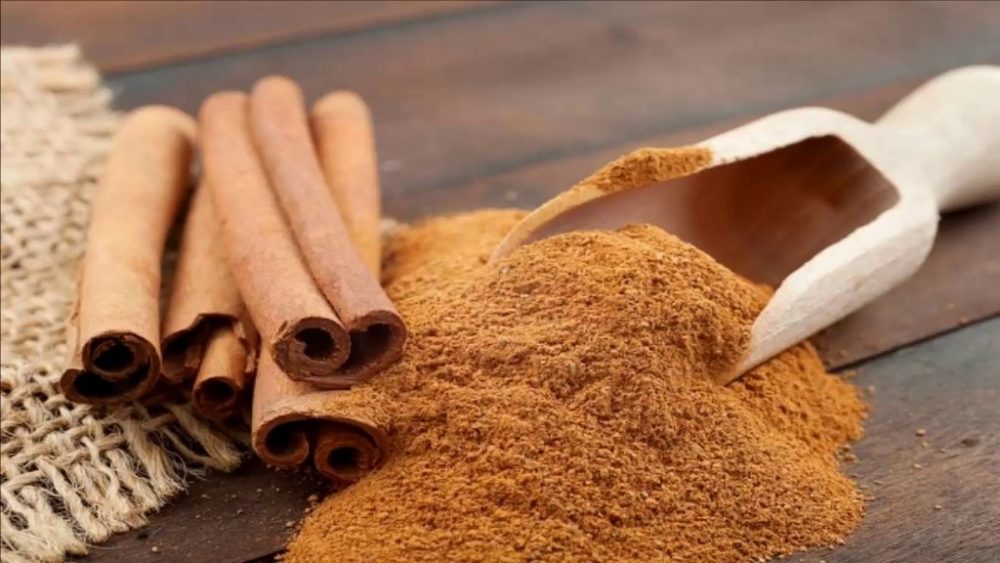
Cinnamon is the inner bark of a tropical evergreen tree. The two main varieties are Cinnamomum cassia and Cinnamomum zeylanicum.
Medical Use
American scientists have claimed that a teaspoon of cinnamon a day may help prevent the onset of diabetes. Scientists at the US Agricultural Research Services’ nutrition laboratories in Beltsville, Md., found that an extract of cinnamon can actually revitalize the body’s ability to be far more responsive to insulin in peripheral tissues, e.g. adipose and muscle tissue. In fact, in laboratory experiments, glucose processing was increased by up to 20 times. The chemical responsible is called methylhydroxy chalcone polymer. Experiments on mice found that abnormally high glucose concentrations fell dramatically when given this cinnamon derivative.
The results of another study from 2003 in Pakistan showed lower levels of fasting glucose, triglycerides, LDL cholesterol and total cholesterol after 40 days with levels continuing to drop for 20 days after that.
The study was made up of 60 people with Type 2 diabetes who were divided into 6 groups of 10. Three groups received cinnamon in the form of capsules totaling 1, 3 or 6 grams of cinnamon a day. The other three groups received placebo capsules. The capsules were taken three times a day, after meals. All three levels of cinnamon showed results, leading researchers to believe that as little as 1 gram a day of cinnamon may benefit people who have Type 2.
Type II diabetics should take a quarter to one full teaspoon of cinnamon per day.
Cinnamon has long been known as an “energizing” spice, and it is likely that increasing the intake of this common and cheaply available food will benefit even non-diabetics, if used as a daily energizing tonic.
Cinnamon is also a rich source of magnesium, which is essential for maintaining bone density, electrolyte balance, certain enzyme functions and many other crucial biochemical processes. Magnesium is also linked to the more dramatic forms of diabetes that occur earlier in life.
Bitter Melon
Momordica charantia is a tropical and subtropical vine of the family Cucurbitaceae, widely grown for edible fruit, which is among the most bitter of all vegetables. English names for the plant and its fruit include bitter melon or bitter gourd. It is widely grown in India (Karela करेला in Hindi), Pakistan (Karela کریلا in Urdu, اردو),(komboze کمبوزه in Persian), South Asia, Southeast Asia, China, Africa and the Caribbean.
Medical Use
Bitter melon has been observed to have blood sugar-lowering effects, but there is only limited research specifically using bitter melon in humans. Clinical studies show that bitter melon increases the production of beta cells in the pancreas which leads to improvement in the insulin production of the body.
Many studies show that bitter melon is able to reduce the blood sugar levels in the body. Charantin, polypeptide P, and oleonolic acid glcosides are some of the ingredients of bitter melon that are essential in diabetes treatment. Charantin consists of mixtures of natural steroids which are shown to reduce blood sugar levels in the body. Polypeptide P, contains alkaloids that can also promote healthy blood sugar levels. Oleanolic acid glycosides, on the other hand, may prevent the retention of sugar from the intestines. Improvements in these area leads to improved insulin levels in the body.
Fresh juice of two karelas (approximately 20ml) should be taken on empty stomach in the early morning daily. The regular practice of this gives enormous benefits to the diabetics.
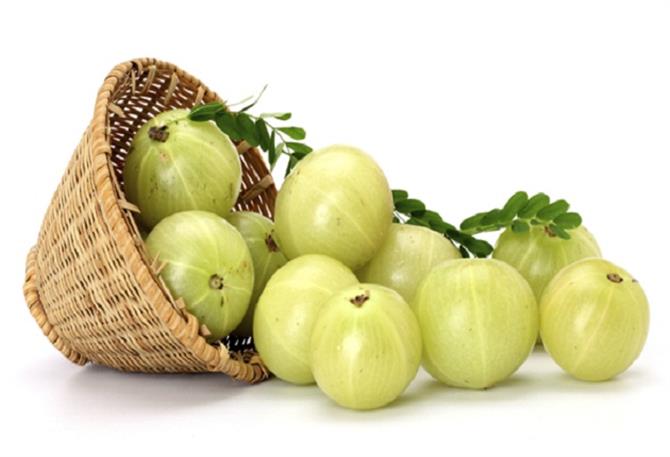
Amla or Emblica Officinalis
It is a natural, efficacious, an antioxidant with the richest natural source ofVitamin C.
Medical Use
Amalaki is a carminative and stomachic. It is used in Ayurveda as a cardiotonic, aphrodisiac, antipyretic, antidiabetic, cerebral and gastrointestinal tonic. It raises the total protein level and increases the body weight due to positive nitrogen balance. It has been found to have an anabolic effect.
Fresh amla juice of 10ml and 2 grams pure haldi (turmeric) powder well mixed and taken twice a day, effectively maintains the sugar level and imparts many side benefits like strength and vitality.
Besides, this herb, due to its high vitamin C content, is effective in controlling diabetes. A tablespoon of its juice mixed with a cup of bitter gourd juice, taken daily for two months. Will stimulates the pancreas and enable is to secrete insulin, thus reducing the blood sugar in the diabetes. Diet restrictions should be strictly observed while taking this medicine. It will also prevent eye complication in diabetes.
Fenugreek (Trigonella foenum-graecum)
It is a plant product that has been used for a variety of medicinal and other purposes, and may be used in the treatment of diabetes. Fenugreek is a member of the Leguminosae, or Fabaceae, family and grows well in India, Egypt and other parts of the Middle East. The part used medicinally is the seeds.
Medical Use
Fenugreek seeds contain alkaloids, including trigonelline, gentianine and carpaine compounds. The seeds also contain fiber, 4-hydroxyisoleucine and fenugreekine, a component that may have hypoglycemic activity. The mechanism is thought to delay gastric emptying, slow carbohydrateabsorption and inhibit glucose transport.
Fenugreek may also increase the number of insulin receptors in red blood cells and improve glucose utilization in peripheral tissues, thus demonstrating potential anti-diabetes effects both in the pancreas and other sites. The amino acid 4- hydroxyisoleucine, contained in the seeds, may also directly stimulate insulin secretion.
There are only a few published studies on fenugreek. In one study, published in a 1990 issue of the European Journal of Clinical Nutrition, 10 patients on insulin therapy for type 1 diabetes were assigned to either placebo or 50 grams of defatted fenugreek-seed powder twice daily in addition to their insulin therapy.
Fasting glucose decreased from an average of 272 mg/dl at baseline to 196 mg/dl. There was also a decrease in total cholesterol, LDL (“bad”) cholesterol and triglycerides.
A larger study, published in a 1996 issue of Nutrition Research, involved a six-month trial of fenugreek in 60 patients with inadequately controlled type 2 diabetes. Twenty-five grams of powdered fenugreek seed was given twice daily at lunch and dinner in addition to the current diabetes therapy.
The average fasting glucose decreased from 151 mg/dl to 112 mg/dl after 6 months. Glucose values one and two hours after meals also declined. Average A1C decreased from 9.6% to 8.4% after eight weeks. To help your diabetes symptoms, try taking 2.5 g of fenugreek with your meals, a couple of times a day. This should help to control your blood sugar levels and increase your insulin production.
Black Berry (kala jamun)
Botanically it is known as Polianthes tuberosa. It is a large tree 20 to 60 ft. high or sometimes more. The bark, fruits and seeds of the tree are medicinal. The bark is very astringent and is given in sore throat, bronchitis, asthma, ulcers and dysentery; it is also used for purifying blood. The fresh juice of the bark with goat’s milk is given in diarrhoea. The seeds are very useful diabetes. The fruit juice cures burning sensation of hands and feet. It subsides excessive heat in the body.
Medical Use
To control diabetes, 2-teaspoon powder of dry jambul fruits is taken twice a day or eating of fresh jumbul fruits is also recommended. Three to five grams of powdered seed with salt taken twice a day for a few days eliminates sugar.
A regular check should be kept on the blood sugar level, and if it settles in the normal range, no further treatment is needed.
Disclaimer
The Content is not intended to be a substitute for professional medical advice, diagnosis, or treatment. Always seek the advice of your physician or other qualified health provider with any questions you may have regarding a medical condition.