Some people are naturally thin and would like to be larger.
Exercise is important for good health and the right type of exercise can help you gain muscle, which will give you more body mass. Weight-lifting exercises that are designed to build muscle should be included with your weight-gaining diet and perhaps aerobic exercise should be cut back a bit.
Possible reasons for being thin
- Heredity
- Physical illnesses can result in excessive weight loss.
- Eating disorders can result in massive weight loss and can, in fact, result in death from the lack of nutrition.
- Many elderly people have trouble preparing foods and are prone to excess weight loss as well.
- Then there are others who lose their appetite, experience a change in metabolism, and/or lose poundage and muscle mass fast because of various reasons, including illness, chronic pain, depression, stress, and side effects from drugs.
How to plan your meal
- Have meals with the right balance of proteins, carbohydrates, and the right kinds of fat (such as unsaturated and monounsaturated fats, olive oil, canola oil, pistachios, almonds and walnuts). The following ratio will help you achieve your goal: 60%-70% carbohydrates, 10%-15% protein, and a small amount of fat.
- The USDA suggests that you eat six to 11 servings of foods from the bread and cereal group. At least three of those servings should be from 100 percent whole grain products. Whole grains are a great source of fiber and nutrients.
- Pack more nutritious calories in each serving. For example, you may add grated cooked eggs to mashed potatoes, ground chicken to soups and gravies, cheese in casseroles, eggs, and soups, and nonfat dried milk in soups, shakes, milk, and mashed potatoes.
- Eat starchy vegetables such as potatoes and corn more often. You don’t want to avoid healthy green vegetables like green beans and asparagus just because they are low in calories. Green vegetables have a lot of nutritional value. You can add healthy calories to these vegetables by topping them with nutritious foods like olive oil, almonds and shredded cheese.
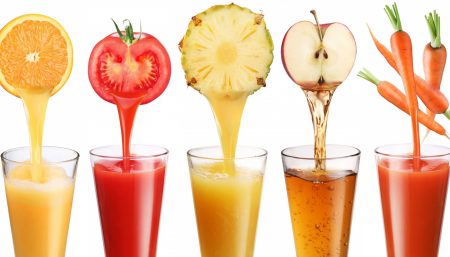
- Fruits are packed with vitamins and phyto-chemicals that will boost your health. For example, instead of drinking extra sugary sodas, enjoy orange juice or other fruit juice. You will get the calories you need, plus a lot of vitamins that soda doesn’t have. Snack on fresh fruits any time of day to increase your calorie intake.
- If you get too full too fast, try having more high-calorie foods or slices of foods as opposed to consuming the whole thing (raisins versus grapes, granola and Grape Nuts versus corn flakes, mango slices versus the whole mango).
- With moderation, you may add in good fat sources to meals such as nuts, avocado, olives, and fatty fish (salmon and mackerel).
- Add powdered milk to soups and sauces to offer calories and protein.
- Go for dried fruits or fruit juices as healthy higher calorie snacks.
- Pick dark chocolate as a treat. Dark chocolate has antioxidants that other sweets don’t have.
| Exercise is important for good health and the right type of exercise can help you gain muscle, which will give you more body mass. Weight-lifting exercises that are designed to build muscle should be included with your weight-gaining diet and perhaps aerobic exercise should be cut back a bit. |
Avoid
- Avoid foods that contain large amounts of saturated fats and trans-fats. Red meat, processed lunch meats, hot dogs and sausage have all been connected with higher risks of diseases such as heart disease and some cancers so you should eat those meats only sparingly. Avoid fried foods as well. Fried foods such as French fries, donuts and fried fish or chicken are sources of trans fats and not a healthy way to get the calories you need.
- Limit drinking beverages to a half-hour before and after a meal.
- Don’t add non-nutritious junk foods to your diet. Junk foods may have lots of sugar and unhealthy fats that add the calories you may want, but they don’t have much to offer nutritionally. Make sure you eat foods that have good nutritional value along with those extra calories.
Disclaimer
The Content is not intended to be a substitute for professional medical advice, diagnosis, or treatment. Always seek the advice of your physician or other qualified health provider with any questions you may have regarding a medical condition.