BENEFICIAL FOODS
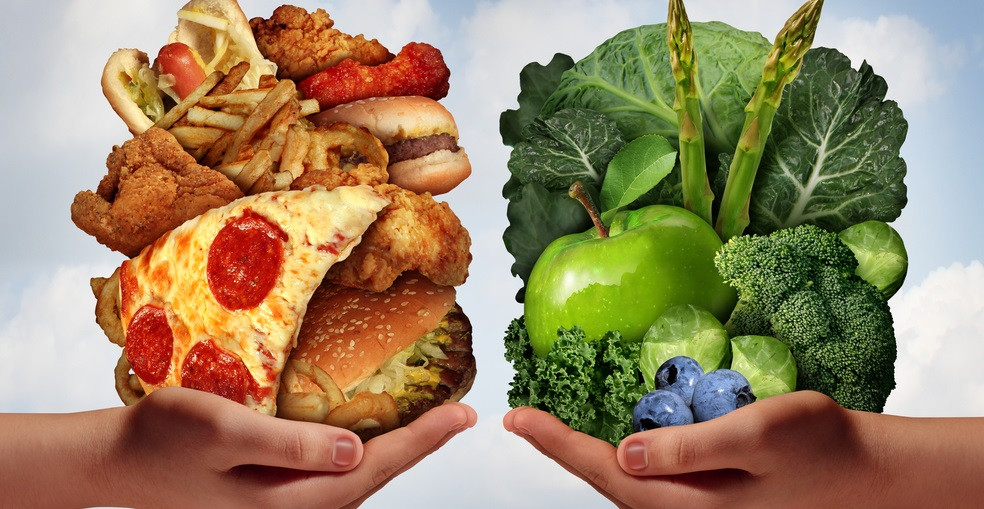
Foods that are low in fat and release energy into the bloodstream slowly and steadily are the most useful for obese people trying to lose weight.
Lean beef, pork, lamb, chicken, turkey, and white fish are all good sources of protein that do not supply large amounts of fat. These foods can be alternated with those containing vegetable protein, such as peas, beans, lentils, and tofu. Lean meat, about the size of a credit card and about as thick as your finger, once a day; turkey is a good choice. Salmon, cod, halibut, and tuna are excellent fish selections. Beans: lima, kidney, Navy, black, pinto, and black-eyed peas. Three or four eggs a week is fine.
Protein-rich foods should be included in each meal, since they appear to help trigger the parts of the brain that tell us when we are full. Best milk sources are skim milk, no-fat yogurt, and low- or no-fat cottage cheese.
Diet should contain 400 IU of vitamin D and 1,000 mg of elemental calcium for premenopausal women (1,200 mg for postmenopausal women). If dietary intake of calcium and vitamin D is less than these recommended guidelines, calcium and vitamin D supplementation is necessary. |
Pasta, basmati rice, rye bread, and porridge are useful carbohydrates for those wishing to lose weight. These foods are digested slowly and lead to a gradual rise in blood sugar levels, which leaves the stomach feeling fuller for longer. Try unsweetened whole-grain breakfast cereals and add a little artificial sweetener. Some research and many diets recommend cutting down on carbohydrate foods, specifically those that are refined, white rice, pasta, sweets, and white potatoes. This will avoid too-frequent spikes and dips in blood sugar that may stimulate appetite and can contribute to insulin resistance over time.
Yogurts and fruits make good snacks since they cause only small rises in blood sugar, helping to keep the biochemistry of the blood balanced. Apples, oranges, grapefruit, bananas, watermelon, apricot, prunes are all rich in essential nutrients.
Pears contain soluble fibre, and are low in calories. They release sugars slowly, making the stomach feel fuller for longer.
Vegetables such as salad leaves, brassicas, and sprouting vegetables are very low in calories and have a low-calorie density, which means that they can be consumed in large volumes without providing the body with large amounts of energy. Other beneficial vegetables are Irish potato, sweet potato, broccoli, spinach, carrots, squash, cauliflower, and green peas. When appropriate, eat vegetables raw. Cooking vegetables may reduce fiber content by breaking down some fiber into its carbohydrate

Celery, in particular, contains very few calories and virtually no fat, making it a useful addition to a weight watcher’s diet.
Wholegrain breads, cereals, rice, and pasta, and fruits and vegetables contain fibre, which leaves the stomach feeling fuller for longer.
Fluid intake – At least eight glasses of fluid (mostly water) a day. Limit intake of juice and soda.
When increasing the fiber content of your diet, it’s best to take it slow. Add just a few grams at a time to allow the intestinal tract to adjust; otherwise, abdominal cramps, gas, bloating, and diarrhea or constipation may result.
A good aerobic exercise with cardiovascular benefit is to climb 10 flights of stairs once a day. Just brisk walking for 20 minutes a day can have major benefits. |
FOODS TO AVOID
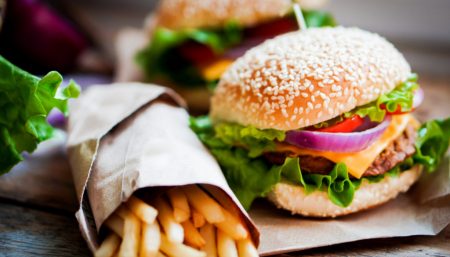
Fried foods, sausages, burgers, and other processed meat products are rich in fat and have twice the calories of carbohydrate-rich and protein-rich foods.
Butter, margarines, lard, and oils are high in fat and should be consumed in moderation. Olive oil contains as much fat as any other oil.
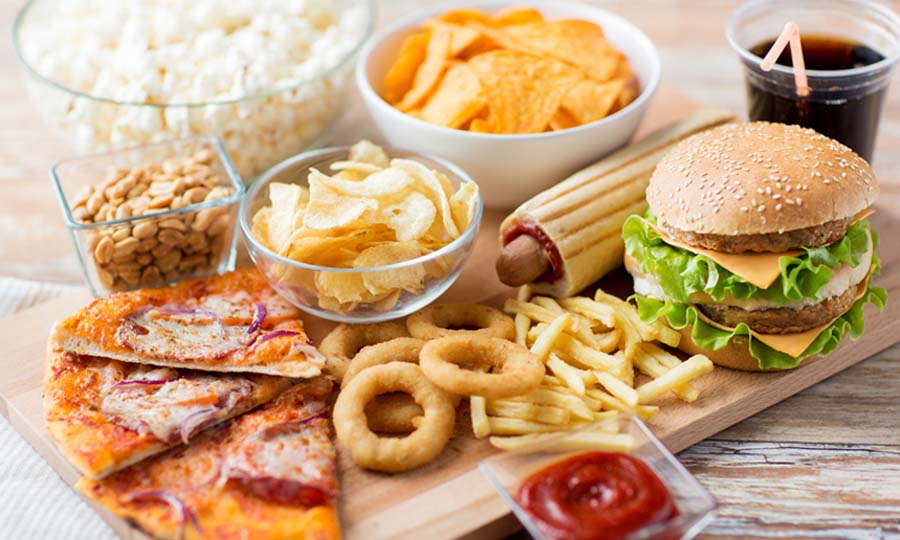
Biscuits, cakes, pies, and chocolates are high in fat and should be avoided whenever possible.
Sugary foods cause a rapid increase in the amount of sugar in the bloodstream, which results in the release of the hormone insulin. Insulin removes excess sugar from the blood, which may then be stored as fat.
OTHER MEASURES
Counseling or behavioral therapy, alongside dietary advice, will improve the chances of successful weight loss for those who are obese.
- Health support.
- Increased exercise is essential. Simple exercise that can be gradually stepped up—such as slow walking or swimming—is best for most obese people
Disclaimer
The Content is not intended to be a substitute for professional medical advice, diagnosis, or treatment. Always seek the advice of your physician or other qualified health provider with any questions you may have regarding a medical condition.