Fast food constitutes high content of fat, sodium, and sugar and have been categorized as bone robbers. The main reason that you should avoid fast food is that it doesn’t maintain nutritional balance as it is not easy to have control over how they are cooked. Some fast foods are with lots of oil and butter (without any guarantee of purity) and there may be no option if you want this selection with reduced fat. Fast food generally tends to be short on fresh fruits and vegetables.
Soda pop and cola drinks contain considerable amounts of phosphorus, an acid-forming mineral in the body. Research has shown that phosphorus can interfere with the skeleton’s ability to absorb calcium. A recent study reported in the Archives of Pediatrics and Adolescent Medicine suggests that teenage girls who drink lots of soda may increase their risk of developing bone fractures and osteoporosis. These drinks also contain large amounts of refined sugar or equally dangerous sugar substitutes, which further encourage bone loss. During the teenage years, when 40 to 60 per cent of peak bone mass is built, a natural whole foods diet, free of bone-robbing soft drinks, is most important.
The researchers also concluded that a diet high in fast foods will increase a person’s risk of weight gain and obesity – even though they may feel that they are eating no more than they would if they ate an average meal. The difference between a fast-food meal and a home-cooked one is the sheer quantity of calories and fat it delivers in one go. The US Department of Agriculture’s recommended daily intake for a normal adult male is 2800 kilocalories (11,723 kilojoules) and a maximum of 93 grams of fat. A meal at a fast-food outlet – burger, fries, drink and dessert – can deliver almost all of that in a single sitting. Biologists are now starting to realize that a binge of these proportions can trigger physiological changes which mute the hormonal signals that normally tell you to put down the fork.
Under normal conditions these hormones control eating and help maintain a stable body weight. Leptin, for example, is continuously secreted by fat cells and its level in the bloodstream indicates the status of the body’s fat reserves. This signal is read by the hypothalamus, the brain region that coordinates eating behaviour, and taken as a guideline for keeping reserves stable. The problem is, people who gain weight develop resistance to leptin’s power, explains Michael Schwartz, an endocrinologist at the University of Washington in Seattle. “Their brain loses its ability to respond to these hormones as body fat increases,” he says. The fatter they get, and the more leptin they make, the more insensitive the hypothalamus becomes. Eventually the hypothalamus interprets the elevated level as normal – and forever after misreads the drops in leptin caused by weight loss as a starvation warning.
Maintaining bone health with food
The typical fast food diet is a major factor in weakening bones. Eating too many acid-forming foods (protein, refined flours, sugars) and inadequate alkalizing foods to balance (fruits, vegetables, seaweeds) may exacerbate bone loss. Drinking soda is perhaps the most pervasive habit that promotes a calcium drain. Some practitioners think that not consuming enough essential fatty acids and eating too many nightshade vegetables (tomato, potato, pepper, eggplant), may affect bone health.
Calcium only works to support bones when eaten with its teammates — magnesium, vitamin D and essential fatty acids. Calcium alone can strengthen bones but also can make them brittle. Supporting the collagen matrix of bone is crucial for flexibility. Protein and vitamin C stimulate the collagen matrix. Instead of guessing the right proportion of these nutrients and depending on supplements, support bone health through high-quality whole foods.
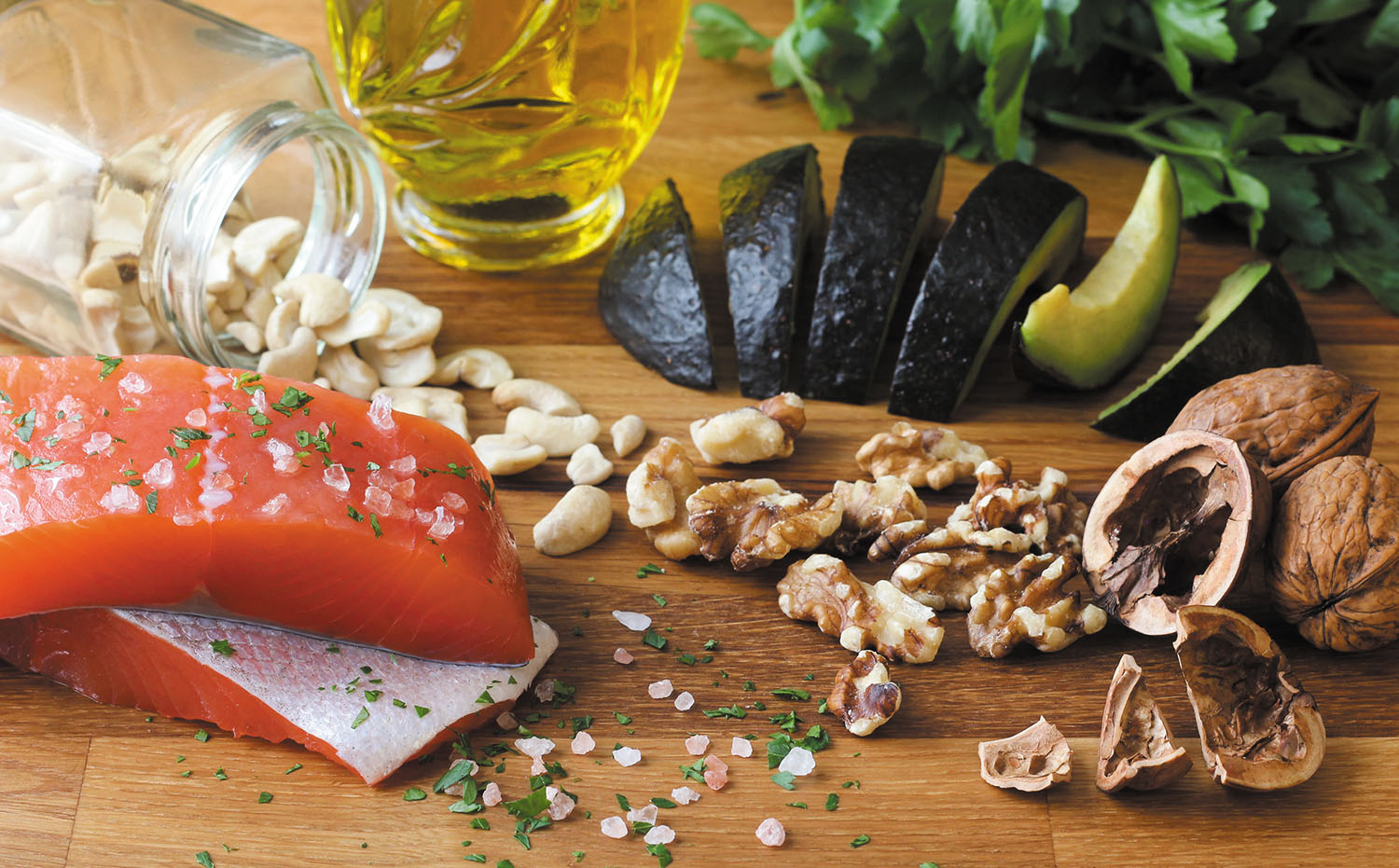
Fats are needed for proper function of the immune and hormonal system. The transport of vitamins A, E, K and D are dependant on having ample essential fatty acids in the diet. If we lack fats, we may be lacking vitamin D, which affects calcium absorption. Saturated fats protect the calcium depositing mechanism in bones from free radicals. Good whole food sources include meat, eggs and organic whole dairy products. Studies have shown that diets rich in the omega-3s from fish (DHA and EPA), which also naturally result in a lowered ratio of omega-6 to omega-3 fats, reduce bone loss. Researchers think this is most likely because omega-6 fats are converted into pro-inflammatory prostaglandins, while omega-3 fats are metabolized into anti-inflammatory prostaglandins. (Prostaglandins are hormone-like substances made in our bodies from fatty acids.)
Include whole grains, beans, fresh vegetables, fruits, nuts, seeds and reasonable amounts of animal protein in your diet. Emphasize dark leafy greens, carrots, yams, winter squashes and cruciferous vegetables (broccoli, cabbage, celery). Dark-green leafy vegetables such as broccoli, kale, chard, turnip greens and romaine lettuce are excellent sources of calcium. Calcium from green foods is highly bioavailable because greens also provide vitamin K and magnesium, necessary for calcium synthesis in the body.
Fruits and vegetables also help to maintain a healthy pH balance in body fluids. They promote alkalinity, whereas meat, dairy and grains are predominantly acid-forming. Whenever the body becomes overly acidic, the parathyroid gland, which regulates calcium metabolism, releases a hormone which activates the osteoclastic bone cells to dissolve calcium salts from bone for release into the extra-cellular fluids. As an alkaline-forming mineral, calcium is needed to bring pH levels back to normal.
If the diet is predominantly acid-forming for extended periods of time, the parathyroid is continuously called upon to stimulate osteoclastic activity, resulting in a gradual erosion of bone tissue.
For optimal health and bone strength, the diet should be based on 70-80 per cent alkaline-forming foods from the vegetables and fruits category. The remaining portion should come from whole grains, legumes, free-range eggs, fish and organic meat and dairy. How many families today eat such a diet? Not many. Yet, along with exercise, this is the surest way to build and maintain healthy bones-for life.
Disclaimer
The Content is not intended to be a substitute for professional medical advice, diagnosis, or treatment. Always seek the advice of your physician or other qualified health provider with any questions you may have regarding a medical condition.