Cholesterol is a fatty substance found in every human cell. Not only does it help our bodies to make vitamin D, it’s necessary for the absorption of essential fatty acids and for the production of sex hormones. ‘Good’ cholesterol, or high density lipoproteins (HDL), occurs naturally in the blood and disposes of surplus cholesterol, helping to protect us against heart disease.
However, too much of it causes fatty deposits to build up, in, and sometimes even block, blood vessels. This is what is known as ‘bad’ cholesterol or low density lipoproteins (LDL). In sufficient quantities, LDL cholesterol can lead to a heart attack or stroke. Cholesterol is also found in food and it is the saturated fat in foods which is of most concern as it raises blood cholesterol levels.
The key to managing cholesterol is to begin a low saturated fat diet and choosehealthier fats. There are some foods that naturally lower cholesterol. These low cholesterol foods are easy to find in your local supermarket. By consuming foods that are low in cholesterol, your body has more of a chance to remain heart-attack free!
Probiotics uncovered as a potential and natural tool in Cholesterol Management.
Based on growing evidence on the role of bile acids in lipid metabolism and glucose homeostasis, Lactobacillus reuteri NCIMB 30242 was selected (in a study on, Probiotic Lactobacillus reuteri NCIMB 30242 reduces cholesterol and heart disease risk factors for its high BSH activity in vitro. The microorganism is easy to ferment, has long shelf life stability as a dry powder, is safe for human consumption, and its effect on serum bile acid pools has been proven clinically. L. reuteri NCIMB 30242 presented clinical efficacy in cholesterol lowering as shown in 2 independent randomized, double-blinded, placebo-controlled clinical studies when administrated either in a yogurt formulation, or in an encapsulated supplement. Also, mechanistic clinical data showed decreased cholesterol absorption in the group receiving L. reuteri NCIMB 30242. These results open a great opportunity to explore the use of this microorganism as an additive to nutritional products or functional foods to not only improve cholesterol levels, but also help to treat other metabolic impairments. For more on probiotic food sources, click here.
Fish and Omega-3
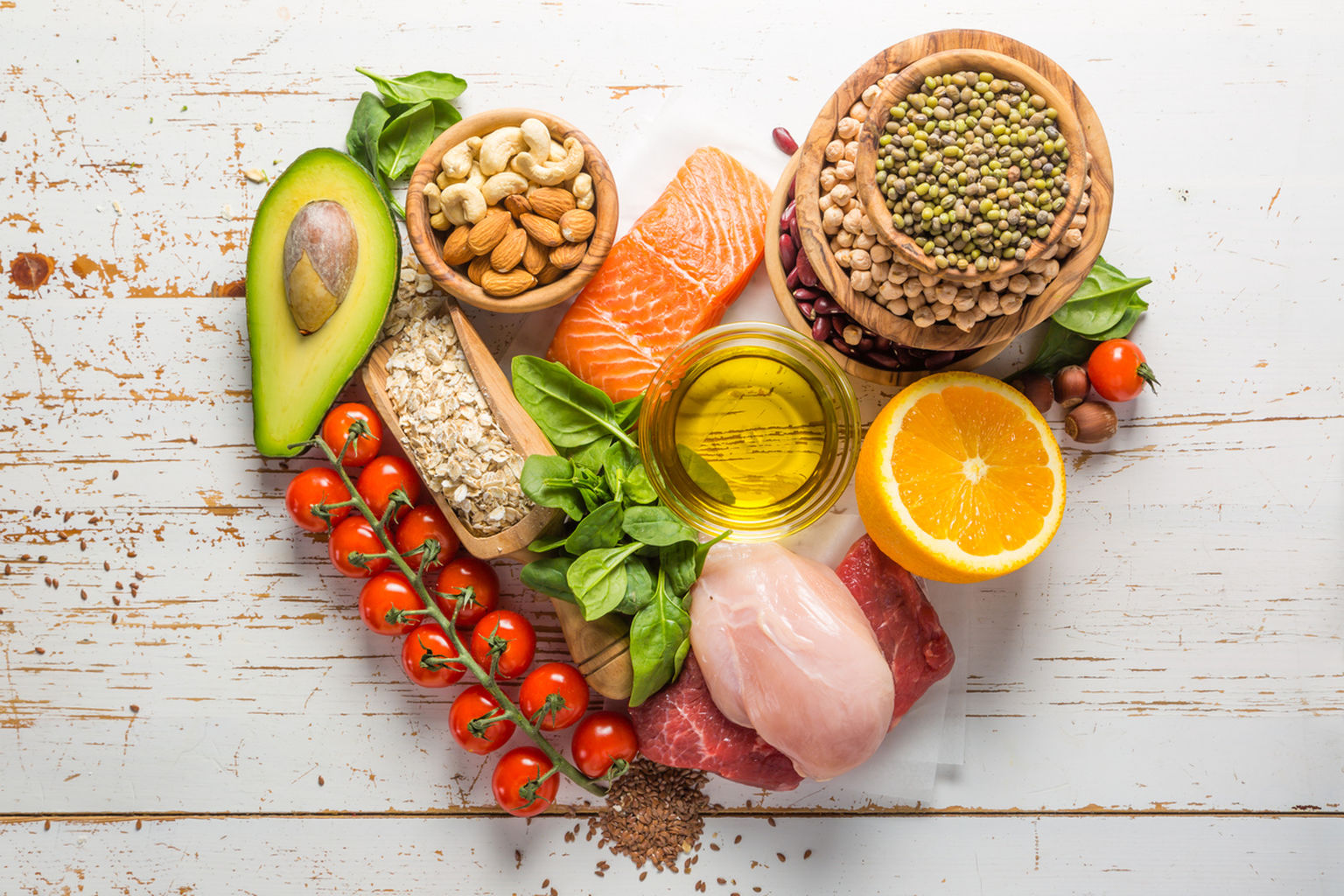
Diets high in omega-3 can lower the risk of heart disease and reduce blood pressure, as well as reduce the risk of blood clots. The fatty acids found in certain seafood are essential to keeping a healthy diet. Certain useful members of the omega-3 family, such as Docosahexaenoic acid (DHA) and Eicosapentaenoic acid (EPA) are available only through fatty seafood, such as salmon, albacore, tuna, herring, mackerel, and trout. Many doctors recommend eating at least two servings of fish high in omega-3 per week. A study from the Norwegian University of Science and Technology found that people with type 2 diabetes who consumed high doses of fish oil over nine weeks lowered the size and concentration of several lipoprotein subclasses (cholesterol) in their bodies.
The good fats in avocados, olives, and olive oil protect against heart disease and diabetes. 26 of the 30 grams of fat in an avocado are heart-healthy, unsaturated fats that can increase your levels of HDL cholesterol. In the same way flaxseed oil can lower blood pressure with high cholesterol.
Beans and Nuts
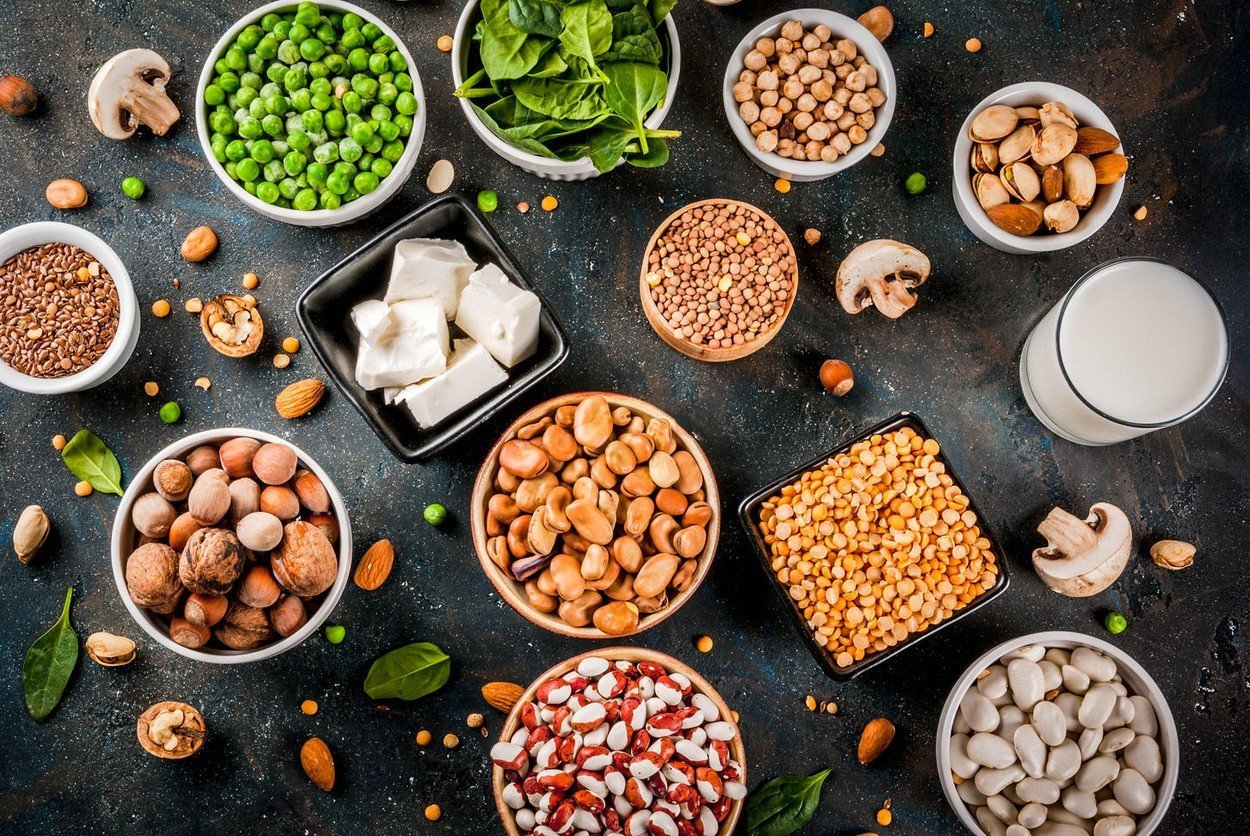
Similar to fish, many nuts also contain omega-3 fatty acids that can help eliminate the risk of heart disease. Nuts, such as walnuts and almonds can help lower cholesterol. A cholesterol-lowering diet with a little less than 1/3 of a cup of walnuts/day may reduce LDL cholesterol by 12 percent . Pecans have been proven to not only lower “bad” cholesterol, but significantly help maintain desirable levels of “good” cholesterol. A Penn State study showed that eating pistachios significantly lowers LDL (bad) cholesterol levels.
By properly combing beans with brown rice, seeds, corn, wheat you can create a complete protein. Properly combined beans become an excellent substitute for red meat protein that is high in saturated fat. Talking of soyabean, the top health promoting components in soybeans are isoflavones and soluble fiber. Isoflavones act like human hormone that can lower LDL cholesterol and raise HDL cholesterol.
A study published in the journal Diabetes Care found that half a teaspoon of cinnamon a day significantly reduces blood sugar levels in people with type 2 diabetes. It also reduces triglyceride, LDL, the bad cholesterol and the total cholesterol level.
Lean Red Meat
Many people say that red meat is not healthy to consume because it is both high in fat and cholesterol. But, that is not always the case. True, pieces of meat with all of their fat intact, are cholesterol high foods, but take away the fat, and you now have healthy, low cholesterol meals. Lean meat does not raise cholesterol levels, is low in saturated fat, and is a great source of vitamin B12,zinc, iron, and protein.
Reduced-Fat Dairy Products
Dairy products, although wholesome and delicious, can also be high cholesterol foods. Foods, such as whole milk, cheese, and eggs contain large amounts of cholesterol. Several studies have shown that the probiotics Lactobacillus Acidophilus and Lactobacillus Reuteri present in yogurt with active culture actually help lower cholesterol. They work by preventing the re-absorption of cholesterol back in to the blood stream. However, there is no need to cut dairy out of your diet. Simply look for reduced-fat or cholesterol free foods. For example:
- Rather than drinking whole milk, opt for skim milk or 2% milk, instead.
- In you enjoy sour cream, top off your potatoes or chili with low-fat sour cream.
- Eat fat-free or low-fat yogurt with fresh fruits.
- Choose reduced-fat cheeses, made with skim milk.
- Did you know that one egg contains about 213 milligrams of dietary cholesterol? Given that the daily recommended cholesterol limit is 300 milligrams, eggs are considered high cholesterol foods. Most of this cholesterol is found in the egg’s yolk. So, to reduce the cholesterol, either remove the yolk and simply eat the white of the egg.
Fruits & Vegetables
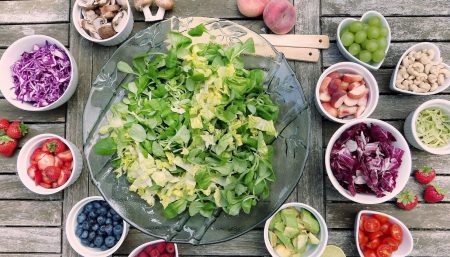
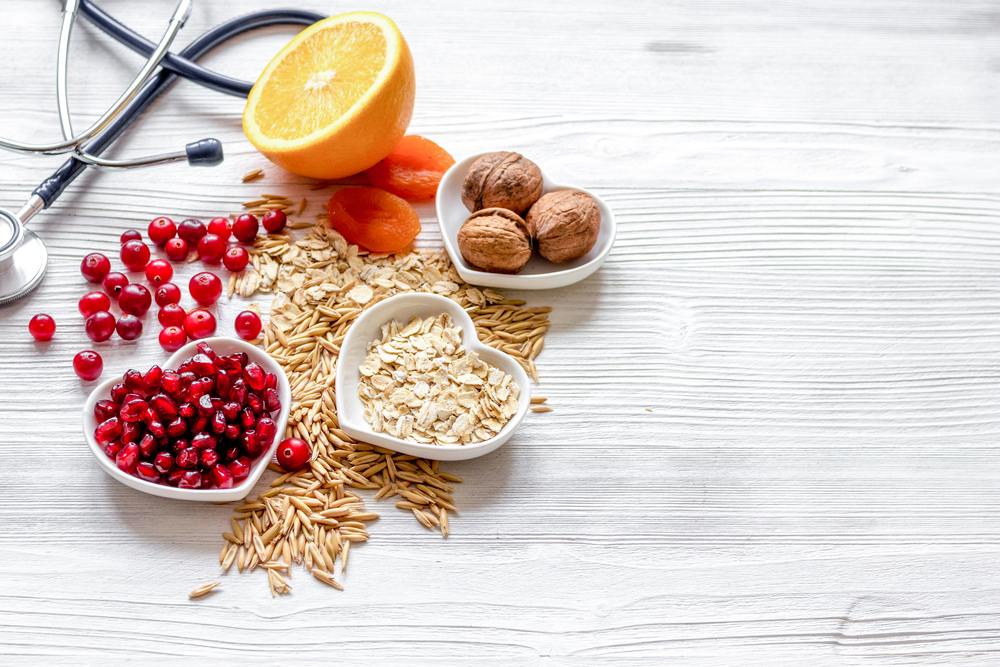
Everyone knows that fruits and vegetable are high in vitamins, but did you know that some can actually help lower cholesterol. Fruits, such as apples, grapes, oranges, and apricots; and vegetables, like cabbage, garlic and sweet potatoes are not only cholesterol free foods, they are also high in soluble fiber and pectin. Both of these things have been proven to help lower cholesterol levels. A National Academy of Sciences study showed that pomegranate juice reduces cholesterol plaque buildup and increases nitric oxide production (nitric oxide helps reduce arterial plaque). Similarly, antioxidants in grape juice slow down LDL cholesterol oxidation, and cranberry juice raises HDL or “good” cholesterol.
Oats & Grains
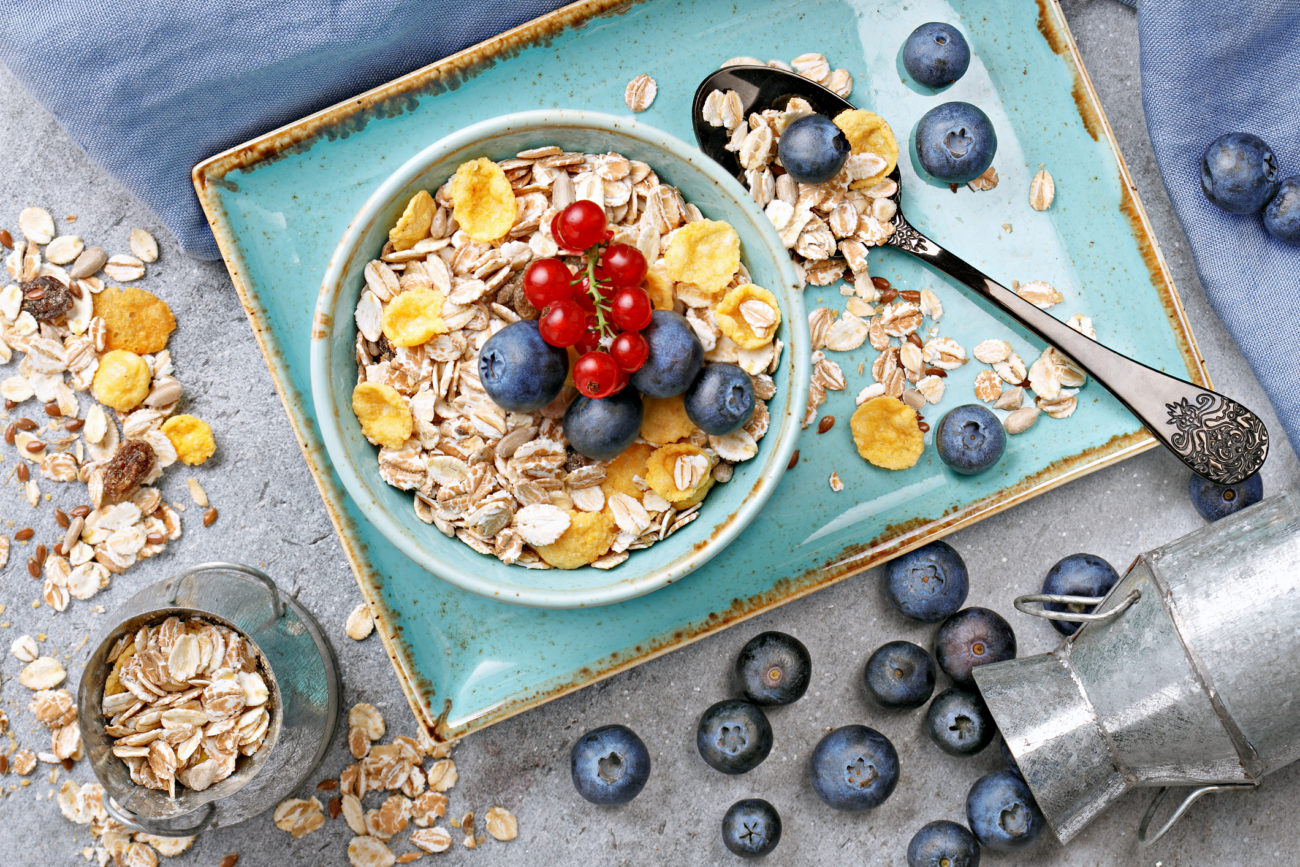
A soluble fiber known as Beta Gucan is crucial in lowering cholesterol. And, wouldn’t you know it, oats and grains contain this valuable fiber. Doctors recommend two to four cups of oat or barley cereal each day to gain the cholesterol-lowering effect of Beta Gucan. The oil in whole brown rice, not its fiber, lowers cholesterol. Brown rice can be combined with beans to form an inexpensive complete protein low in saturated fat.
So as you can see, cholesterol lowering foods are easily accessible.
Poor dietary habits, lack of exercise, and genetics can harm even the youngest child’s cholesterol levels. It is never too early or too late to develop healthy eating habits. By eating low cholesterol foods, you are reducing the risk of a heart attack or stroke, not to mention helping your body lead a long, healthy life.
Limit biscuits and cakes, fatty snacks and fried takeaways. Replace butter and margarine with poly and mono-unsaturated margarines and change to canola or olive oil for cooking. Homus is a tasty (low fat) spread, which you may use on sandwiches instead of margarine. Eggs, offal, calamari and prawns are very rich in cholesterol and should therefore be eaten sparingly.
Measuring Cholesterol
Total and HDL-cholesterol are measured first. If these tests show any of the following, your doctor will want to measure your LDL level as well:
- Total cholesterol 240 mg/dL or above
- Total cholesterol 200-239 mg/dL with two or more other non-cholesterol risk factors for heart disease — these are smoking, high blood pressure,overweight, physical inactivity, diabetes, age (55 years or older for women), and a family history of early heart disease (a father or brother stricken before age 55, or a mother or sister before age 65)
- HDL-cholesterol less than 35 mg/dL
LDL is measured with a blood test called a lipoprotein profile, which also gives the level of triglycerides, another fatty substance.An LDL level below 130 mg/dL is desirable. LDL levels of 130-159 mg/dL are borderline-high. Levels of 160 mg/dL or above are high. As with total cholesterol, the higher your LDL number, the higher the risk.
Diet Guidelines for Lowering High Blood Cholesterol Levels
- Eat less high-fat food (especially those high in saturated fat)
- Replace part of the saturated fat in your diet with unsaturated fat
- Eat less high-cholesterol food
- Choose foods high in complex carbohydrates (starch and fiber)
- Reduce your weight, if you are overweight
Disclaimer
The Content is not intended to be a substitute for professional medical advice, diagnosis, or treatment. Always seek the advice of your physician or other qualified health provider with any questions you may have regarding a medical condition.