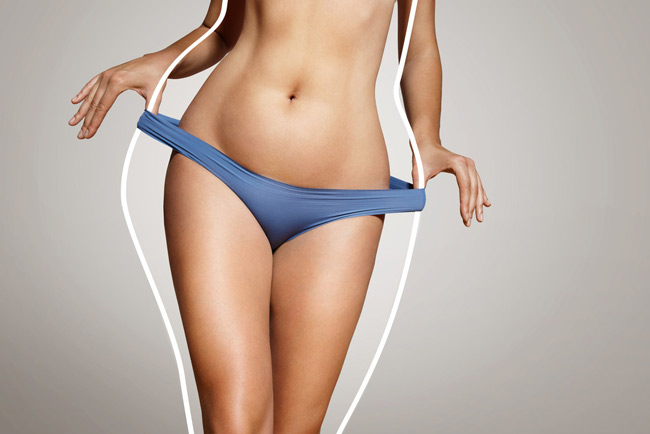
When it comes to the shape and condition of your body, you are most definitely what you eat. Diet can help beat fat and fluid retention and protect your against sun damage.
1. To Gain Weight
Of course, not everyone needs to lose weight- some of us would actually like to gain weight. It’s actually harder to do this healthily than you may think- the foods that contain the most calories are normally the ones that are particularly bad for our health
To gain half a kilogram means eating 3,500 calories more than normal; to do this safely, eat high-nutrient, high-calorie snacks like nuts and seeds, increase servings healthy carbohydrates like bread, pasta, rice and couscous (rather than sugary carbs), and incorporate smoothies made from milk or yoghurt with blended fruits like bananas or strawberries. All of these will increase your calorie intake but won’t overload you with fat or empty nutrients.
To gain weight and bulk up, you have to be willing to do whatever it takes, and work as hard as necessary and you have to be consistent. Your body will responds to consistency.
2. To Lose Weight
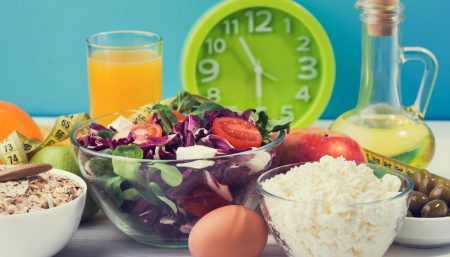
Losing weight is a matter of eating fewer calories than you burn. To do this means knowing how many calories you use in a day. To work it out, multiply your weight in kilograms by 0.9 and multiply that total by 24. This is how many calories you use to fuel your body every day. Of course, moving around also uses calories and you need to account for these. If you have a sedentary job and do no exercise add 25 per cent to that figure, if you have a sedentary job but exercise hard for at least 30 minutes a day add 40 per cent to that figure, if you are in a very active job or exercise heavily add 60 per cent.
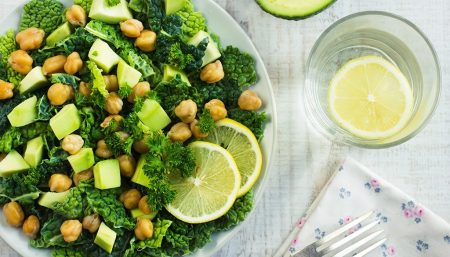
This is how many calories you use day, and eating 500 fewer than this a day will mean a safe weight loss of half a kilogram a week. For the best results you should follow a diet high in fruit and vegetables and low in fat, with moderate protein and carbohydrate intake. Try following the plate portion rule for every meal ensure half of your plate is fruit or vegetables (not including potatoes), the other half part lean protein (white meat, fish, low fat dairy products, tofu, beans or pulses) and part carbohydrate (bread, pasta, rice, potatoes, couscous).
3. To Beat Fluid Retention
Fluid retention hits most women prior to their periods. It leads to a bloated belly, swollen painful breasts, and for some women swollen fingers and face too. The cure for it is probably not what you think-you need to drink water and eat more water- filled foods. Fluid retention is caused when the body is triggered into thinking water is short so it holds fluid in the body; however; if you are constantly supplying it with water this doesn’t happen. Also, avoid diuretic substances (like caffeine and alcohol) and be very careful about your salt intake. Salt dramatically increases fluid retention. Finally, many women find evening primrose oil help fight fluid retention. Take a supplement every day.
4. To Project Your Skin
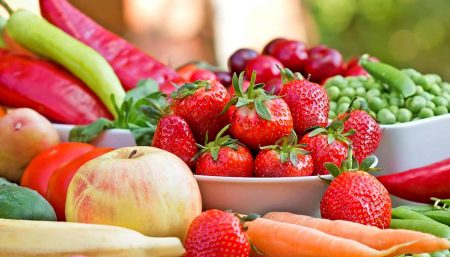
Never leaving the house without sunscreen should be number-one beauty rule, but you can also build your own sunscreen by loading up your body with anti-oxidant nutrients like vitamins A, C and E. Recent American research showed that eating 10 portions of fruit and vegetables (particularly those colored red, yellow or oranges) every day for six weeks helped build an anti-oxidant layer under the skin that was equivalent to SPF4 sunscreen. While this doesn’t mean you can go without your UV screen, it will help mop up any rays that do get through-plus, those nutrients have many other important functions in the body, so they won’t go to waste.
Disclaimer
The Content is not intended to be a substitute for professional medical advice, diagnosis, or treatment. Always seek the advice of your physician or other qualified health provider with any questions you may have regarding a medical condition.