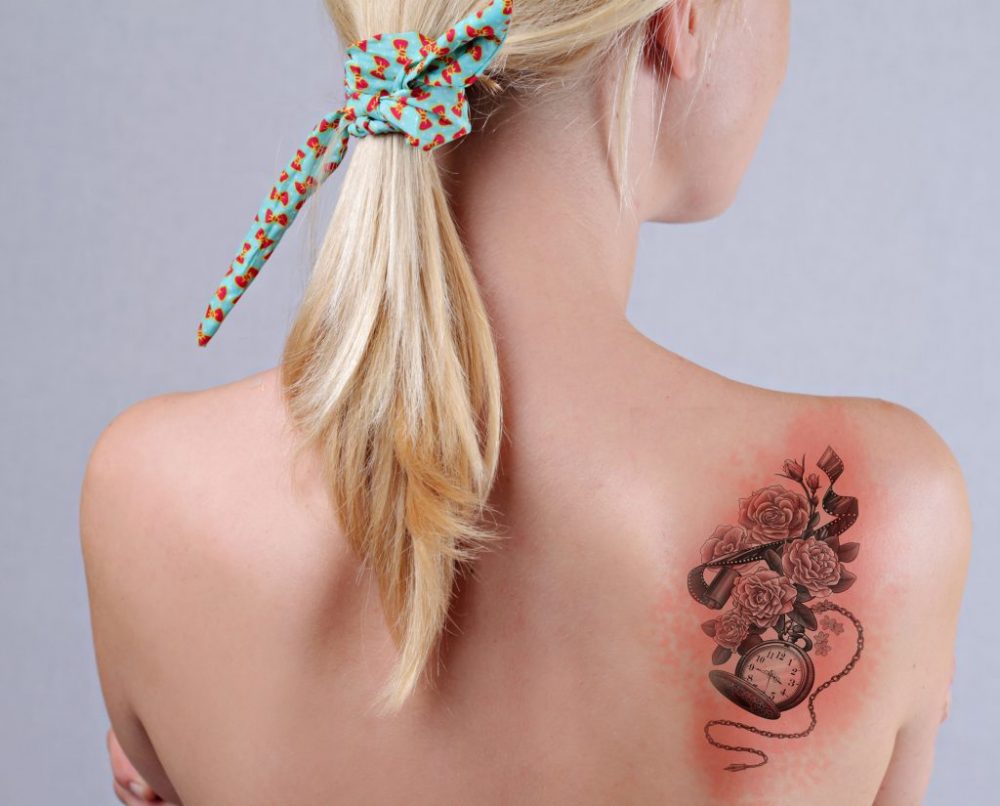
Tattooing is a serious art form, and the world seems to be addicted to it. It is, a permanent marking — once it’s there, you can’t simply wash it away. For many, it is an aesthetic choice or an initiation rite. Some women choose permanent makeup as a time saver or because they have physical difficulty applying regular, temporary makeup. For others, tattooing is an adjunct to reconstructive surgery.
According to, Dr. Dan Meler, plastic surgeon for 32 years, says: “The worst danger in tatoos is that people don’t like the results and then they want to get rid of the tatoos, but there is always a scar. I think that doing a tatoo on the body because of the beauty in it, is not justified. You need to be careful because there is no way back. When people want to remove a tatoo it could turn out to be horrible. There is no way back, its not like a hair cut.“
Cause of infection:
The alleged cause of the problem was improper sterilization of instruments and the use of contaminated pigments. Tattoo operators have little or no training and often don’t know how to sanitize equipment to prevent the transmission of blood-borne diseases, such as hepatitis or even AIDS. Although a number of color additives are approved for use in cosmetics, none is approved for injection into the skin. Using an unapproved color additive in a tattoo ink makes the ink adulterated. Many pigments used in tattoo inks are not approved for skin contact at all. Some are industrial grade colors that are suitable for printers’ ink or automobile paint.
A tattoo is like an open wound, so you have to dress it and protect it by applying an antibiotic cream (such as Neosporin) and wearing sunscreen or covering it with a patch if you’ll be in the sun. It’s recommended that you wear a sunscreen with a minimum sun protection factor (SPF) of 30 on the tattoo for the rest of your life.
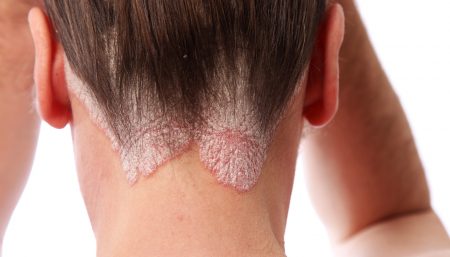
Tattooing has been shown to transmit infectious diseases, including hepatitis B, syphilis, leprosy, tuberculosis, skin cancer, psoriasis, toxic shock syndrome or even behavioral changes.
|
|

- Transmission of hepatitis B- Hepatitis B poses the greatest risk, and this virus has been transmitted through sharing of tattoo needles. See your health care provider if symptoms are present
- Transmission of AIDS- Tattooing also contributes to the spread of HIV . People use hollowed out ballpoint pins and pen ink to create tattoos stand a larger risk. Getting HIV though a tattoo is uncommon, but it is always a possibility if the tattooist is not following proper infection control practices.
- Transmission of tetnus– Read more on the report, at www.cdc.gov/nip/publications/pink/tetanus.pdf.
|
|
|
|
Before going in for a tatoo, Check:
- Is there an autoclave?
- Is the person a licensed practitioner?
- Are “Universal Precautions” followed?
Disclaimer
The Content is not intended to be a substitute for professional medical advice, diagnosis, or treatment. Always seek the advice of your physician or other qualified health provider with any questions you may have regarding a medical condition.