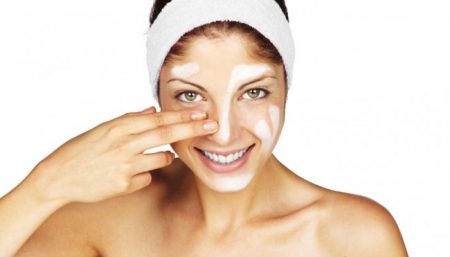
Prickly heat (Miliaria Rubra) is a skin disorder which produces an irritating skin rash as the result of obstructed sweat-glands. When the narrow ducts carrying sweat to the skin surface get clogged, the trapped sweat causes inflammation, which produces irritation (prickling) and itching. Prickly heat usually consists of a rash of very tiny blisters but also can appear as large, reddened areas of skin.
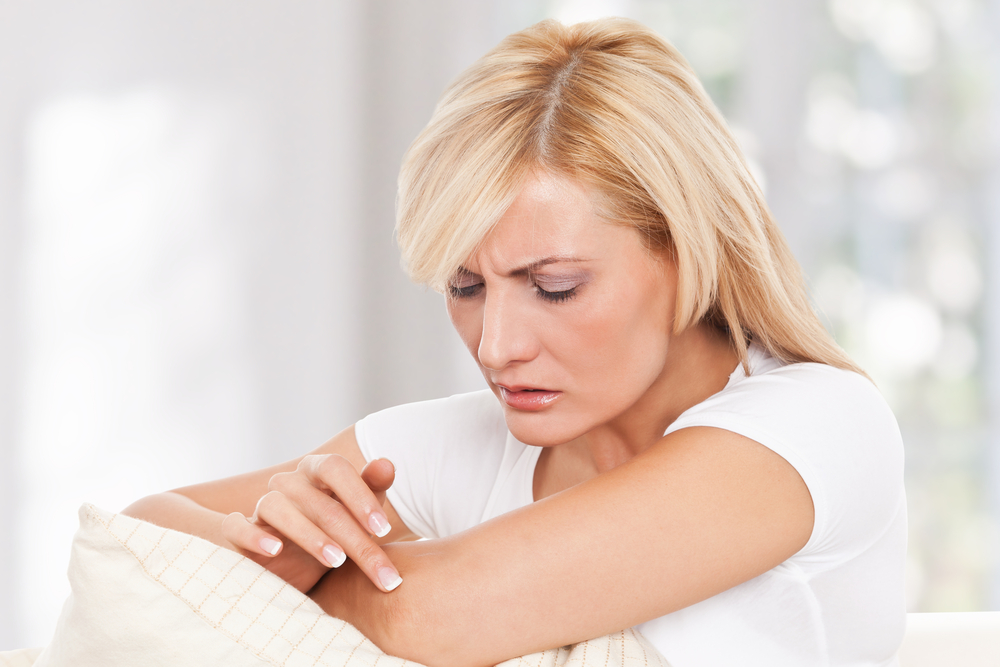
The prickly heat rash is non-inflammatory and affects people of all ages, though it is most commonly suffered by infants. For those who are genetically predisposed to prickly heat, recurrence is common.
Causes
- Prickly heat appears when the sweat-gland ducts become obstructed.
- Poor hygiene.
- Hot, humid weather.
- Obesity.
- Genetically inherited.
- Over activity during hot weather.
- Wearing polyester or lycra while exercising in warm weather.
- Allergies to deodorants or antiperspirants.
Symptoms
- Small, fluid-filled blisters on the skin.
- Red, irritating or itchy rash.
- Occurs in a tropical or subtropical hot, wet environment
- More common in fair-skinned people
- Irritation to areas where perspiration is heavy
- Triggers include being overweight, using soap too often and overproduction of sebum
- Red, bumpy rash on areas of skin which are covered by clothing.
Treatment Options:
Prickly heat is curable. A combination of preventative measures and immediate treatment ensure quick recovery.
Medical Treatment
 This consists of cold compresses, cool showers and cooling skin lotion. Steroid creams and ointments containing hydrocortisone should be applied 3-times daily to rash to relieve itching and irritation.
Also,
- Cool showers or baths will help to keep itching under control and cleanse the skin.
- Bathing in oatmeal mixes or with oatmeal soaps will stop itching and speed healing.
- Expose the rash to as much fresh air as possible. Never cover with bandages or tight clothing.
- Drawing ointments will aid in cleaning out areas which have blistered.
- Anti-itch medications, such as Benadryl, are helpful for those suffering chronic prickly heat.
- Aloe Vera lotions will stop excessive itching.
Naturopathy
A wholefood diet, exercise and relaxation will be recommended.To discourage further perspiration, air needs to flow freely over the skin’s surface-wear cool, loose, cotton clothing.Use fans, drink plenty of water, go swimming and bathe affected areas.Cold poultices, showers, compresses and skin lotions are also recommended.Regular exercise might be rescheduled if carried out in a hot, moist climate.
Vitamins and Minerals
Wholefoods for general and skin health, rich in all the antioxidants, especially the fruit and vegetables rich in vitamin A (beta-carotene), and in cis-linoleic acid, an essential fatty acid, will be recommended.Drink plenty of cool fluids and herbal teas, such as green tea.A freshly squeezed juice combination to help restore lost fluids and salts consists of equal volumes of apple and carrot, with a little cucumber.Specific supplements include zinc, beta-carotene, vitamin B-complex (especially calcium pantothenate) and vitamin B6 (pyridoxine), and vitamins C and E.
Herbalism
Bathe the affected area with cold chamomile and / or tea tree infusions.For a quick, relief-bringing compress, wring out a flannel that has been soaked in basin of rice-cold water containing 4tsp (20ml) distilled witch hazel, and apply directly to the prickly heat rash.Another option would be , to mix equal quantities of juice extracts from neem, tulsi, pudina, coriander and turmeric bottled and refrigerated. This lotion will stay fresh for 7 days. Apply on affected areas after returning from outdoor activities.
Aromatherapy
Add 2-3 drops of chamomile or calendula essence to 8 fl oz (200ml) cold water and spray the rash liberally.Mix 3-4 drops of myrrh or lavender with 2 tsp (10ml) soya oil and spread on gently to relieve the inflammation; use neroli essence similarly, or add to bathwater, to reliever the knotted inner tension that can accompany a persistent itch.
Other Therapies
Prickly heat is usually a transient condition and does not tend to last, but for frequent outbreaks, stress-beating therapies such as yoga, tai’ chi and relaxation and meditation may be helpful. Cranial osteopathy and/or acupuncture may also be used as means to harmonize the various body systems and boost the immune cells.
Prevention
- Keep as cool as possible
- Wear loose, cotton garments
- Avoid hot baths and showers
- Avoid highly spiced food, hot drinks and meat extract (it is very salty). Focus on a healthy diet daily to keep the immune system functioning and bacteria at bay.
- Drink plenty of cool fluids
- Reduce the use of soap
- Avoid exposure to heavy sunlight.
Caution
Follow self-help advice as soon as prickly heat appears – salt and water loss can trigger heatstroke.
Disclaimer
The Content is not intended to be a substitute for professional medical advice, diagnosis, or treatment. Always seek the advice of your physician or other qualified health provider with any questions you may have regarding a medical condition.