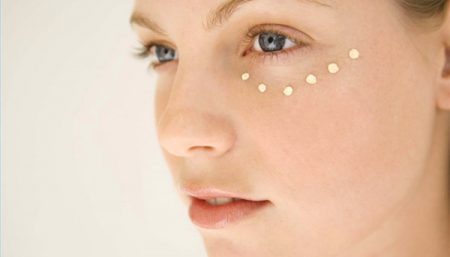
Wrinkles are a by-product of the aging process. With age, skin cells divide more slowly, and the inner layer, called the dermis, begins to thin. The network of elastin (the protein which causes skin to stretch) and collagen fibers (the major structural proteins in the skin), which support the outer layer, loosen and unravel, causing depressions on the surface. With aging, skin also loses its elasticity, is less able to retain moisture, oil-secreting glands are less efficient and the skin is slower to heal. All of these contribute to the development of wrinkles.
In large part, your everyday lifestyle choices contribute to the way you age, and at what rate your body ages. Diet, environmental factors, exercise and the topical skin care products and skin care regimen you choose, all affect the way you are going to appear now and ten, twenty, and thirty years down the road. It’s no surprise your lifestyle plays a pivotal role in how your body and skin age over the years, since we’ve always known diet and exercise affect our energy levels, appearance, moods, and fitness level. BUT, the products you use daily have a HUGE impact on the way your face will age. Due to the advancement of science and technology, anti-wrinkle products are becoming increasingly popular.
If you do shop for an anti-wrinkle product in a health store, pharmacy or on the Internet, you’ll often find hundreds of different brands containing a confusing array of ingredients. You may be tempted to experiment with different products until you find one that works. But this approach may be expensive. More importantly, not all products contain the quality and quantity of necessary ingredients to positively promote long-term improvements on the appearance of wrinkles and an overall healthy complexion. That’s why you’ll need to do a little bit of research to find the best, most potent brand for your needs.
With all the anti-aging products available in the market though, it’s so hard to pick one that can give you your desired results. Each product promises to reduce or prevent wrinkles caused by aging, but then again, you can never be too sure which one really works—or do they all really work?
The answer is yes; however, effects of each anti-wrinkle cream vary. Some anti wrinkle cream and other beauty products may provide major changes to your skin while others only have a very little effect on the skin. Also, there are products that work effectively and quickly while others don’t. But in reality, no anti-wrinkle cream has really given a permanent rejuvenating effect as aging is a natural process nothing can really totally defy.
What an anti-wrinkle cream really does is it hides those ugly wrinkles and moisturizes your skin so you can achieve a more beautiful face. It has ingredients like oils, collagen and silicon dioxide whose molecules are smaller than those of the skin. They penetrate through the wrinkles and deflect light; thereby, making the wrinkles invincible to the naked eye.
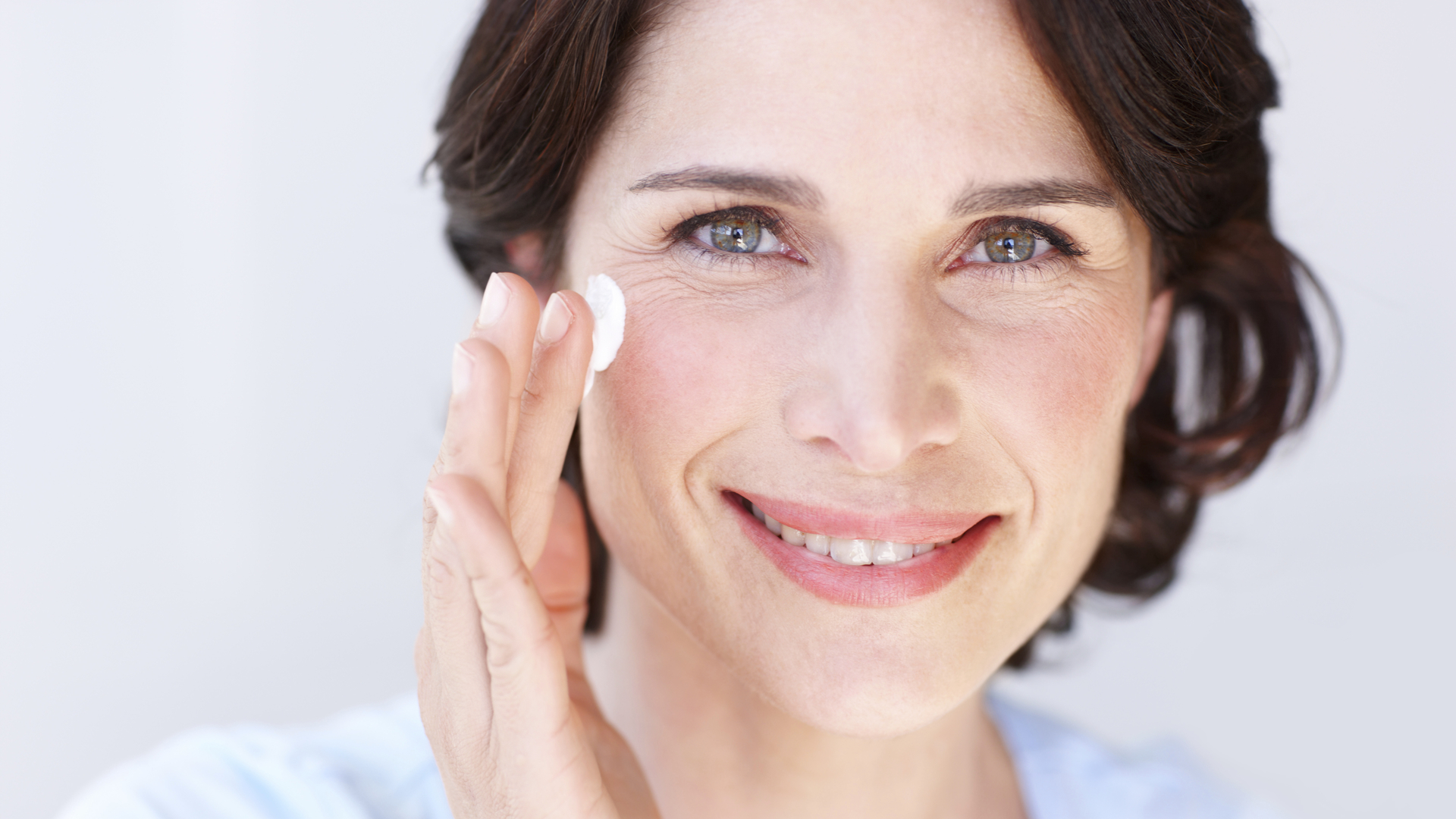
An anti-wrinkle cream actually makes the aging process more pleasing and agreeable to you. It helps you cope with aging more gracefully by making you feel beautiful. And that great feeling about oneself actually does the work of making you look good. Remember that real beauty shines from within, so whatever kind of anti-wrinkle cream or anti-aging product it is that you use, always feel good about yourself and wear a smile no matter what life brings—only then you can be beautiful in every sense of the word.
Common ingredients in anti-wrinkle creams
The effectiveness of anti-wrinkle creams depends in part on the active ingredient or ingredients. Here are some common ingredients that may result in slight to modest improvements in wrinkles.
Retinol. Retinol is a vitamin A compound and is the first antioxidant to be widely used in nonprescription wrinkle creams. Antioxidants are substances that neutralize free radicals — unstable oxygen molecules that break down skin cells and cause wrinkles. Retinol is less potent than the vitamin A derivative tretinoin, a prescription topical treatment approved by the Food and Drug Administration (FDA) for treating wrinkles. Avoid vitamin A derivatives if you’re pregnant or may become pregnant because they increase the risk of birth defects.
Hydroxy acids. Alpha hydroxy acids, beta hydroxy acids and poly hydroxy acids are all synthetic versions of acids derived from sugar-containing fruits. These acids are exfoliants — substances that remove the upper layer of old, dead skin and stimulate the growth of smooth, evenly pigmented new skin. Because hydroxy acids increase your susceptibility to sun damage, wearsunscreen during use and for at least one week afterward.
Coenzyme Q10. Coenzyme Q10 is a nutrient that helps regulate energy production in cells. Some studies have shown reduction in fine wrinkles around the eyes with no side effects. Other studies show that application before sun exposure protects against sun damage.
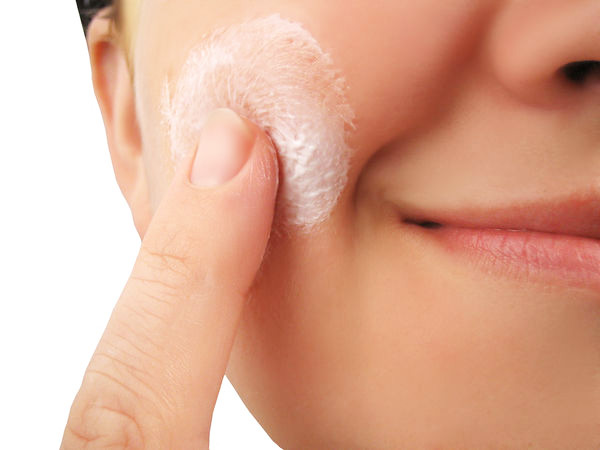
Copper peptides. Copper is a trace element found in every cell. In products applied to the skin, it’s combined with small protein fragments called peptides. Copper peptides enhance wound healing. They also stimulate production of collagen and may enhance the action of antioxidants.
Kinetin. A plant growth factor, kinetin may improve wrinkles and uneven pigmentation with minimal irritation. It’s unclear how it works, but it may help reduce wrinkles by helping skin retain moisture and by stimulating the production of collagen. It may also be a potent antioxidant.
Tea extracts. Green, black and oolong tea contain compounds with antioxidant and anti-inflammatory properties. Green tea extracts are the ones most commonly found in wrinkle creams.
Alpha Lipioc Acid is an excellent antioxidant that penetrates cell membranes to eliminate the free radicals that the are broken down. It also assists other antioxidants that are in the body such as vitamins C and E.
In addition to the use of a wrinkle treatment here are some other suggestions to promote healthy, vibrant skin:
- Use sunscreen with a Sun Protection Factor (SPF) of at least 15 every day.
- Maintain adequate hydration by drinking plenty of water.
- Limit your intake of alcohol and caffeine.
- Avoid smoking.
Also refer: Wrinkle creams and serums and their actual effectiveness at Med Health Reports. (Nicole Lewis, the respected health and beauty writer from Med Health Reports magazine did a fantastic review on wrinkle creams and serums and their actual effectiveness in a recent feature, the results are quite surprising.)
Disclaimer
The Content is not intended to be a substitute for professional medical advice, diagnosis, or treatment. Always seek the advice of your physician or other qualified health provider with any questions you may have regarding a medical condition.