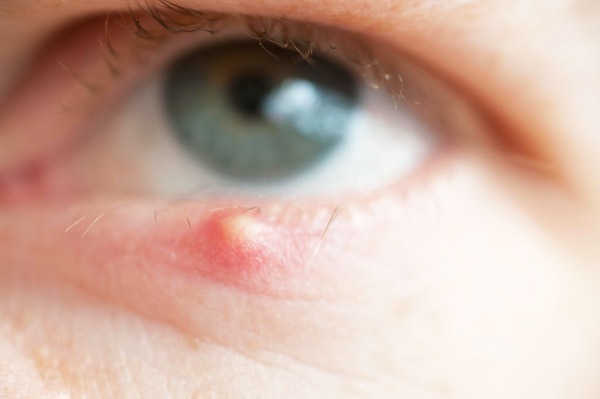
The eyes are ringed with eyelashes, each hair of which springs from a hair follicle. When one of the hair follicles becomes infected, a painful and inflamed abscess appears.
A stye is an inflamed oil gland on the edge of your eyelid, where the lash meets the lid. It appears as a red, swollen bump that looks like a pimple. It is tender, especially to touch. |
A styes, or hordeolum, is a common eye disorder. It can be the result of an infection and can also signify a weakness of the immune system. It can, for example, occur during any debilitating illnesses, such as measles. It typically contains Staphylococcus aureus bacteria, the cause of staph infections. When a sty develops, a small area of the upper or lower eyelid or the corner of the eye becomes red, tender and swollen. Swelling subsides gradually over a period of days after the sty develops an opening to the skin, the eyelid margin or the undersurface of the eyelid and the pus is able to drain out.
Styes often recur. What happens is that one clears up, usually within a week, but by then another hair follicle has become infected by the same bacteria and produces another stye. You should never squeeze a stye – this can spread the infection to other hair follicles.
Other possible eyelid bumps include:
- Xanthelasma – raised yellow patches on your eyelids that can happen with age. These are harmless, although they are occasionally a sign of high cholesterol.
- Papillomas – pink or skin colored bumps. They are harmless, but can slowly grow, affect your vision, or bother you for cosmetic reasons. If so, they can be surgically removed.
- Cysts – small fluid-filled sacs that can affect your vision.
 Causes
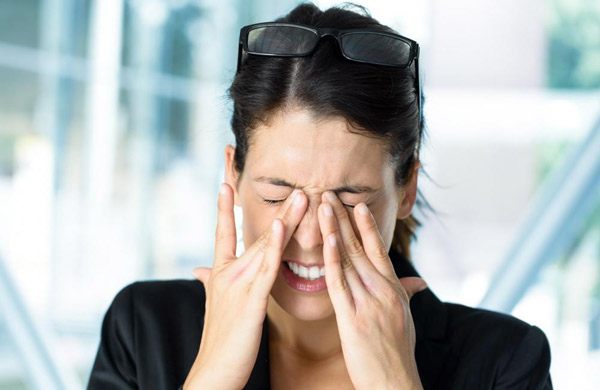
The cause of a stye is often unknown, but it may develop from:
- Rubbing the eyes, which irritates the oil glands. Bacteria that are present on your hand may cause the infection.
- Using mascara, eyeliner or other eye products can irritate the eye. If the products are contaminated with bacteria, an infection may develop.
A Stye may develop when the oil gland’s pore becomes blocked. This prevents the pore from draining, and it becomes inflamed.
Symptoms
A stye usually starts as a sensitive, red, swollen area on the edge of the eyelid at the base of an eyelash. This turns into a bump similar to a small pimple, which usually bursts open within about 3 days.
In addition to the red, swollen bump, other possible symptoms include:
- Tearing of your eye
- A gritty, scratchy sensation as if there is a foreign body
- Sensitivity to light
- Eye pain
Diagnosis
The diagnosis of a sty
is based on its characteristic appearance within the eyelid. Styes
usually resolve on their own without medical attention.
A sty usually goes away in a week or two. |
Treatment
Although painful, a stye rarely causes serious problems.
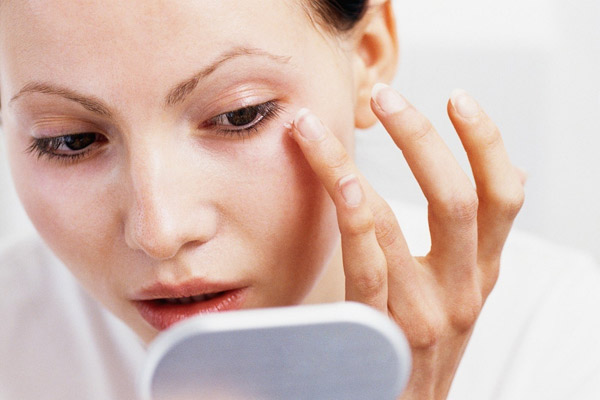
- Apply a clean, hot compress for 10 min, three times a day. This will encourage a sty to clear its drainage channel to the lid margin, allowing any pus to drain away and restoring normal drainage from oil glands. Change the washcloth frequently, particularly as a sty drains.
- An eyebath of eyebright or camomile may reduce inflammation.
- Using nonprescription eye ointments, solutions, or eyedrops—is usually all that is needed to treat a stye.
- DO NOT attempt to squeeze a stye or any other type of eyelid bump. Let it drain on its own.
- Antibiotic creams may help recurrent or persistent styes.
- Some large styes need to be lanced to drain the infection.
When the pus comes to a clearly visible head, remove the eyelash with a pair of clean tweezers and wash the eye with a sterile cloth. An antibiotic eye ointment can help prevent a recurrence.
|
Eye Hygiene The key to preventing styes is scrupulous is scrupulous hygiene. Cosmetics, such as eyeliner and mascara, can contaminate the margins of the eyelid and allow organisms to collect, predisposing you to eye infections. If you develop a stye, throw away your current cosmetics and start again with new ones after the infection has completely cleared. If you wear contact lenses, you should be particularly careful about eye hygiene, especially with cosmetics. DO NOT wear your contact lenses while you have a stye. |
More on eye care
- Avoid rubbing your eyes.
- Do not touch your eyes when you are gardening – some plants can cause an allergy.
- Wear protective eye goggles when swimming.
If you’re shortsighted, you can obtain goggles with your prescription. - Avoid wearing contact lenses overnight.
- Do not touch your eyes when cooking, particularly when handling chillies, ginger or other hot foods.
- Take care of your immune system , which is important to the health of your eyes.
Related Links
Disclaimer
The Content is not intended to be a substitute for professional medical advice, diagnosis, or treatment. Always seek the advice of your physician or other qualified health provider with any questions you may have regarding a medical condition.
